Xi Jinping faces succession dilemma as health questions mount
Chinese officials requested a private White House rest room for the 73-year-old leader during his brief summit with Donald Trump.
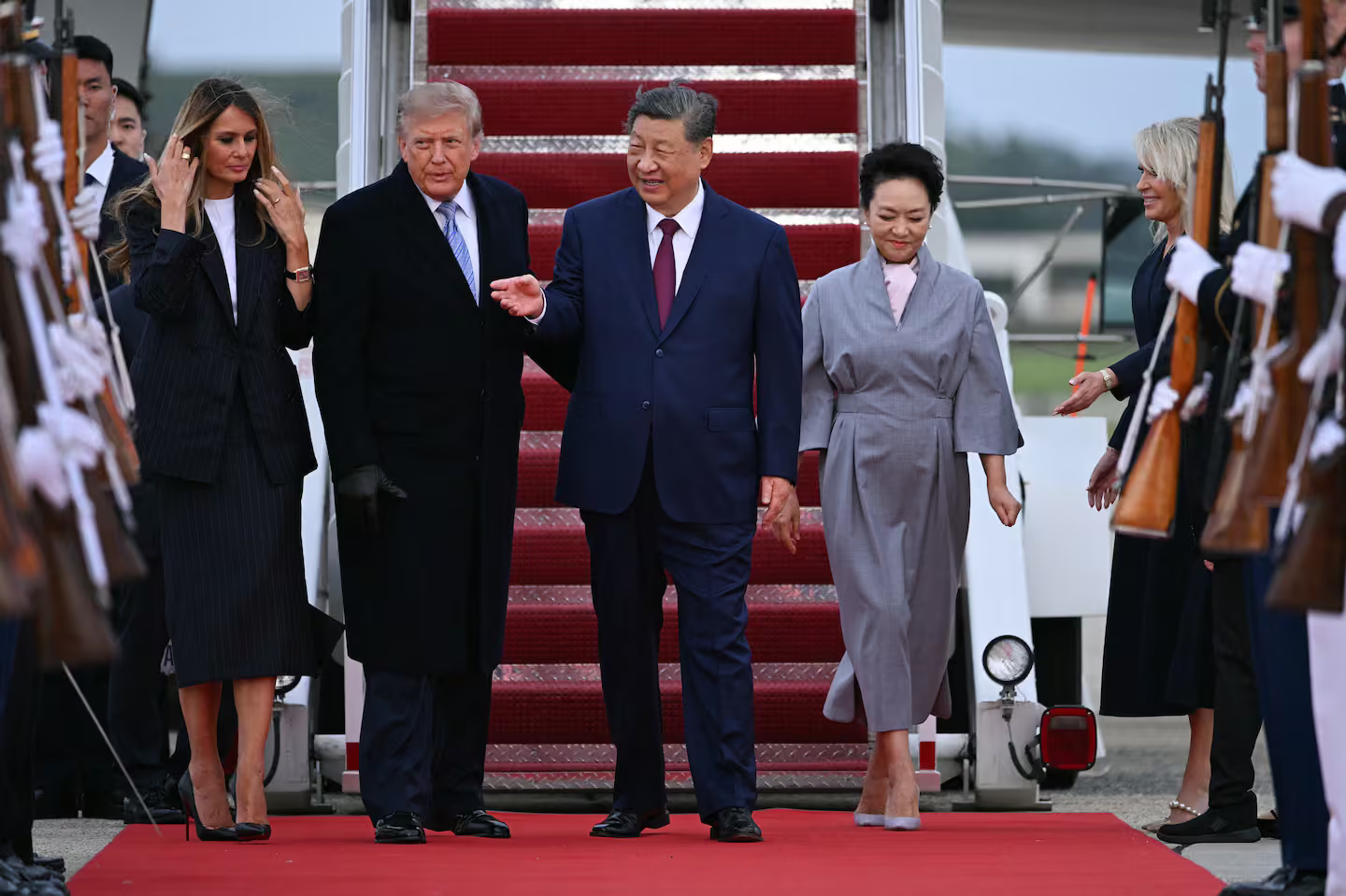
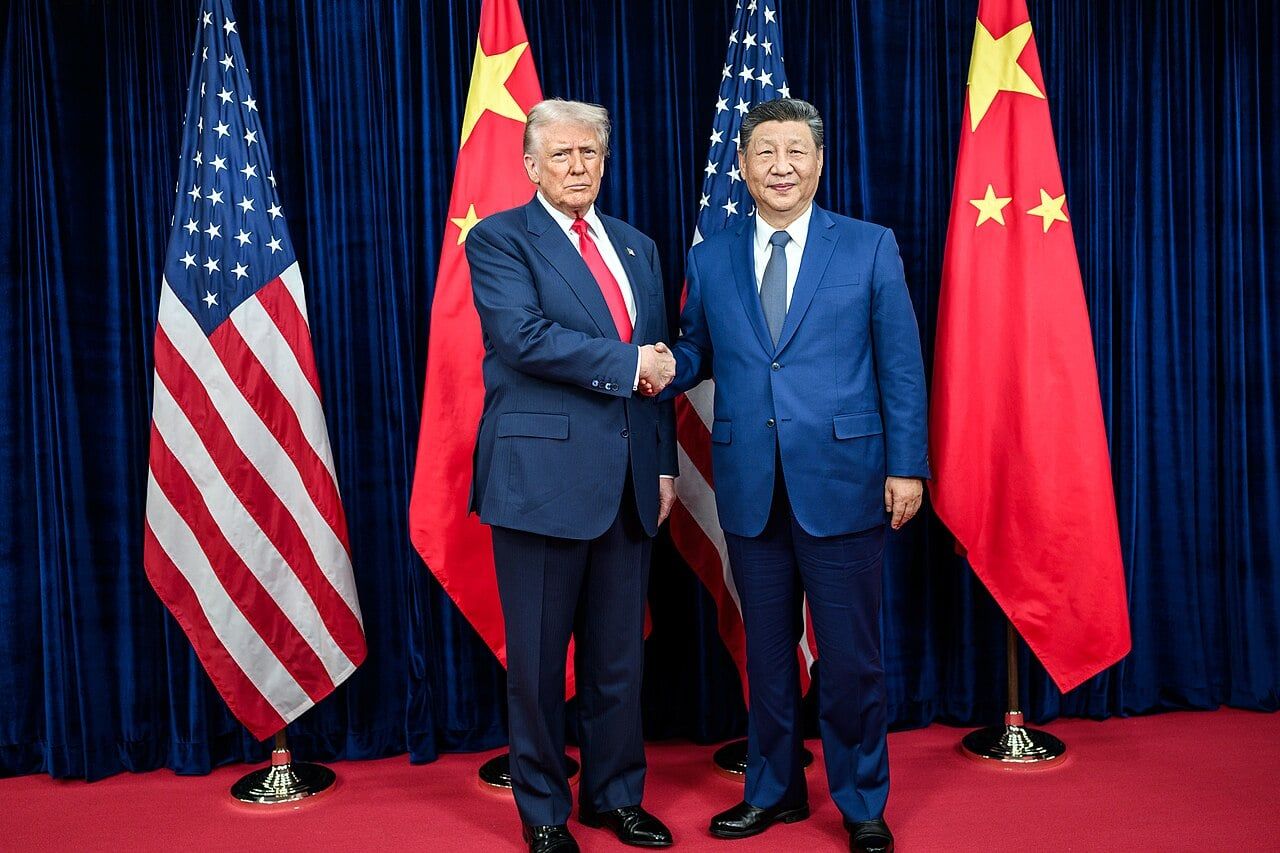
When Chinese leader Xi Jinping landed in Maryland last month for a bilateral summit with United States President Donald Trump, the physical toll of his tenure showed on the tarmac.1 Xi, who is 73 years old, appeared fragile as he descended the stairs from his aircraft at Joint Base Andrews, holding the hand of his wife, Peng Liyuan, for balance.1 During the Washington visit, Chinese officials submitted an unusual request for a dedicated hold room inside the White House so Xi could rest between scheduled meetings, and his substantive discussions with Trump concluded after an unexpectedly brief exchange.1
The physical signs of aging in Beijing coincide with an institutional bottleneck of Xi's own design. Over more than a decade at the helm of the Chinese Communist Party, Xi dismantled the collective governance mechanisms established after the Mao Zedong era, consolidated personal authority, and removed constitutional term limits. Next year, Xi is expected to secure a fourth five-year term as general secretary.1 Yet by concentrating executive control in a single person, Xi has revived the systemic vulnerabilities that historically accompanied autocratic transitions in China.
The structural trap of authoritarian succession
The Australian sinologist Geremie R. Barmé wrote that autocrats and patriarchs share a fateful dilemma, observing that once they take power, the countdown to their demise begins.12 For Xi, managing that countdown presents conflicting hazards. If he designates an heir apparent now to safeguard his policy agenda, he risks triggering factional maneuvering and bureaucratic friction years before he intends to relinquish office.1 If he defers naming a successor until physical frailty compels him, he leaves a political vacuum that could destabilize the entire party hierarchy.1
The dilemma is compounded by the demographic makeup of China's top leadership body. Every current member of the Politburo Standing Committee is too old to serve as a plausible long-term successor under customary retirement norms.1 To establish a line of succession, Xi would need to elevate a junior figure over senior party leaders.1 That dynamic raises immediate institutional questions about whether a younger designee could command the loyalty of the People's Liberation Army or maintain discipline across rival party networks.1
Precedent within the Chinese Communist Party illustrates the personal dangers confronting designated heirs. Mao selected multiple successors who met violent or tragic ends. Liu Shaoqi, once designated as Mao's successor, died of untreated diabetes and pneumonia in solitary confinement during the Cultural Revolution.1 Decades later, Deng Xiaoping removed two chosen successors, Hu Yaobang and Zhao Ziyang, before eventually establishing a transition arrangement around Jiang Zemin.1 Xi has also demonstrated an intolerance for potential internal rivals, conducting extensive anti-corruption campaigns and purges that have reached into his inner circle and targeted veteran colleagues.1
Historical echoes of succession turmoil
Modern Chinese history offers stark warnings about the turbulence surrounding succession when institutional rules weaken. Mao's prolonged physical decline culminated in intense internal conflict, bringing China near the brink of civil strife.1 His death in 1976 led to a palace coup that resulted in the arrest of the Gang of Four, led by Mao's widow, alongside military intervention and subsequent public show trials.1
Deng Xiaoping sought to protect the country from repeating that experience. Deng stepped down from formal posts, instituted mandatory retirement ages, and codified two-term limits for state leaders to ensure regularized, peaceful power transfers. Deng warned that building a nation's fate on the reputation of one or two people was unhealthy and dangerous.1 That framework enabled two orderly transfers of power, from Jiang to Hu Jintao and from Hu to Xi. Xi, however, reversed those norms to restore unconstrained personal rule.
Even under Deng's institutionalized rules, transitions generated significant instability. The decade preceding Deng's death in 1997 included the political upheaval of the 1989 Tiananmen Square demonstrations.1 When Xi assumed power in 2012, the planned transition encountered friction marked by the political downfall and arrest of Bo Xilai, his primary rival on the Politburo, which prompted street rumors of military vehicles in Beijing and gunfire near the Zhongnanhai leadership compound.1
Economic strain and heightened regional stakes
The prospect of prolonged political uncertainty comes at an inopportune moment for China's domestic economy. Growth has slowed under the weight of real estate contraction, local government debt, and sluggish consumer demand. Carl Minzner, a legal scholar and senior fellow for China studies at the Council on Foreign Relations, predicted a long twilight for China, characterized by a sagging economy, rising social discontent, and increased reliance on pervasive surveillance and grid management techniques that the state originally developed to police Xinjiang and other border regions.1
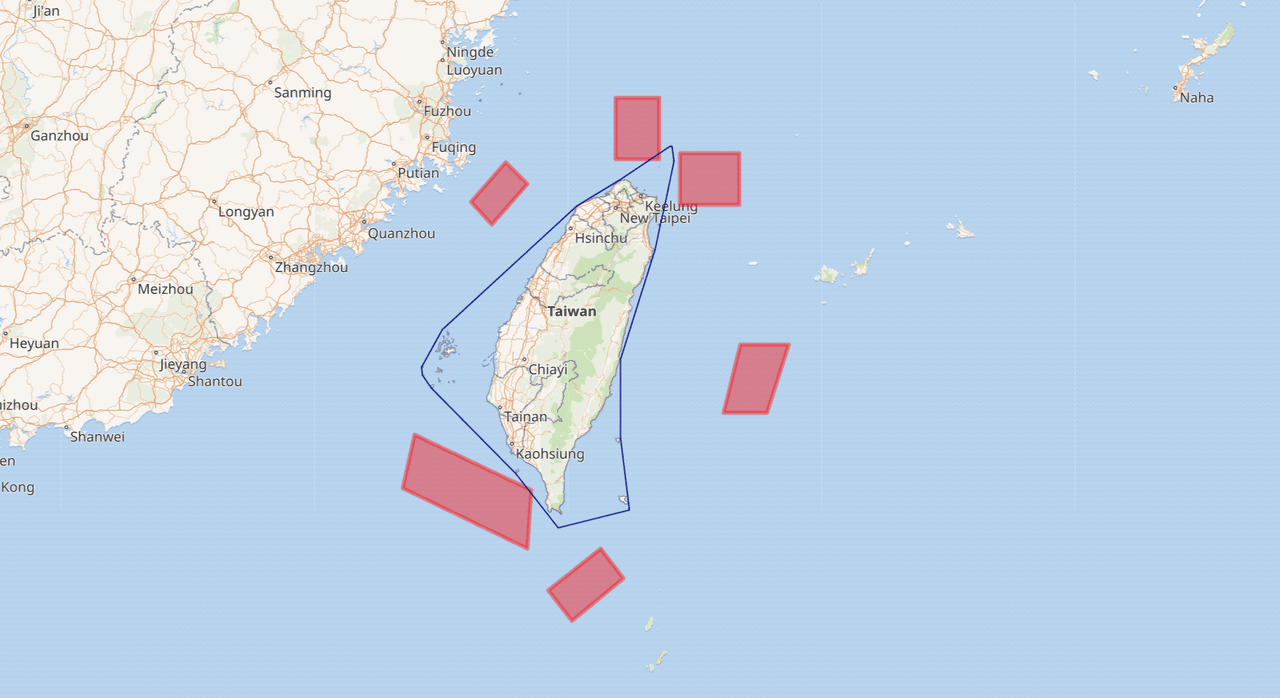
Unlike previous leadership crises in Beijing, any modern succession contest carries immediate international ramifications because China is integrated into global commerce and supply chains. Leadership friction within the party could influence defense planning across the Indo-Pacific region and disrupt international financial markets. Analysts Tyler Jost of Brown University and Daniel Mattingly of Yale University argued that Xi's paramount geopolitical goal remains unification with Taiwan.1 They observed that if Xi perceives his political window closing due to age or health, he could become more willing to accept military risks to achieve that objective during his lifetime.1
The personal preoccupation of authoritarian leaders with aging occasionally surfaces in public exchanges. In 2025, during a state visit to Beijing by Russian President Vladimir Putin, an open microphone captured an informal exchange between Putin and Xi regarding medical advances and organ replacement.1 Speaking through an interpreter, Putin remarked to Xi that medical technology could allow repeated organ transplants, suggesting that someone could achieve immortality.1 While speculative, the dialogue reflected the private anxieties of aging leaders who have tied the trajectory of powerful states to their own longevity.
The record
23 sentences trace to 2 sources.
-
1
AB
Andy Browne Document · semafor.com · 13 Oct 2026 View: Xi’s ‘death watch’ will become a global spectacle See the source
-
2
S-
Semafor - Andy Browne Third-party reporting · flipboard.com · 13 Oct 2026 View: Xi’s ‘death watch’ will become a global spectacle | Flipboard See the source