Solar super PAC launches aggressive midterm attack ads
A clean energy group has deployed combative campaign spots as political spending surges across congressional contests.
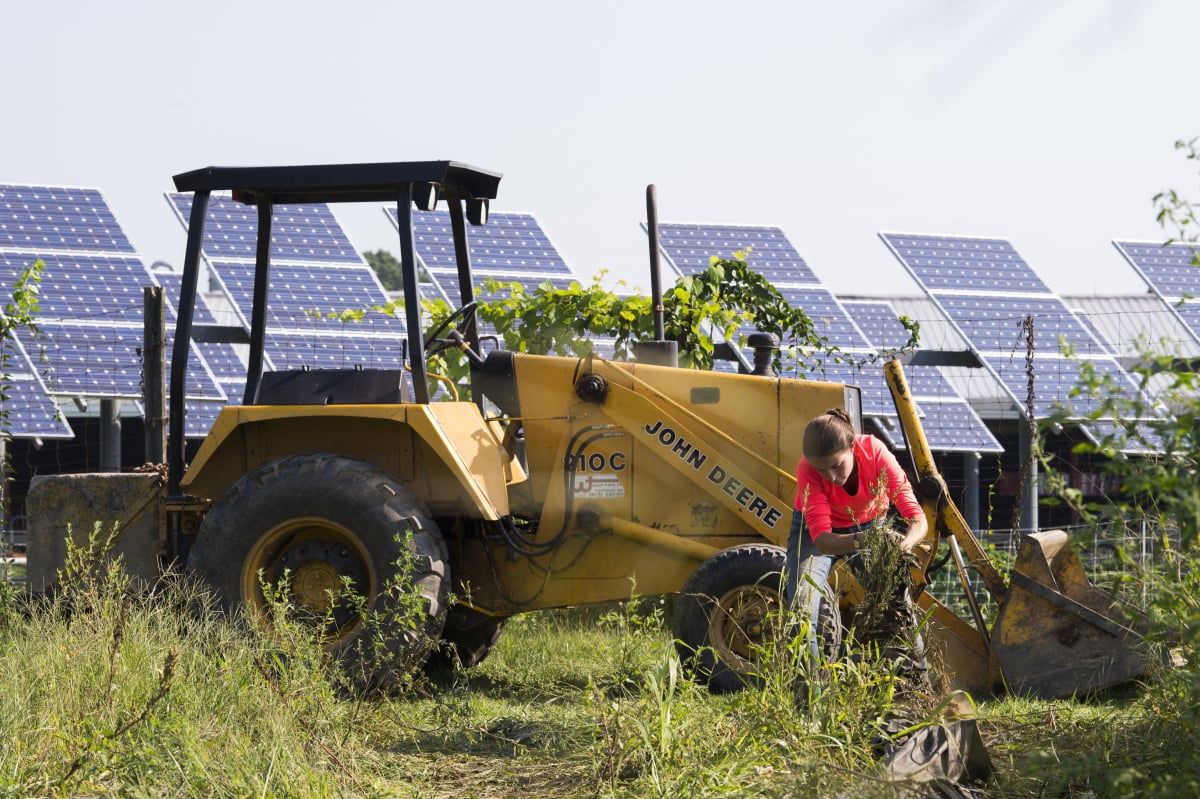
A political action committee operating as a pro-solar clean energy organisation has begun financing sharp attack advertisements in the weeks leading up to the midterm elections.12 The campaign represents an unusually aggressive posture for clean power advocates, who have traditionally avoided the scorched-earth advertising tactics common in national politics.
The offensive comes amid a broader escalation in outside campaign expenditure across federal and state contests. Independent political groups and wealthy donors have poured unprecedented sums into television broadcasts, digital campaigns, and local races as both parties contest control of Congress.
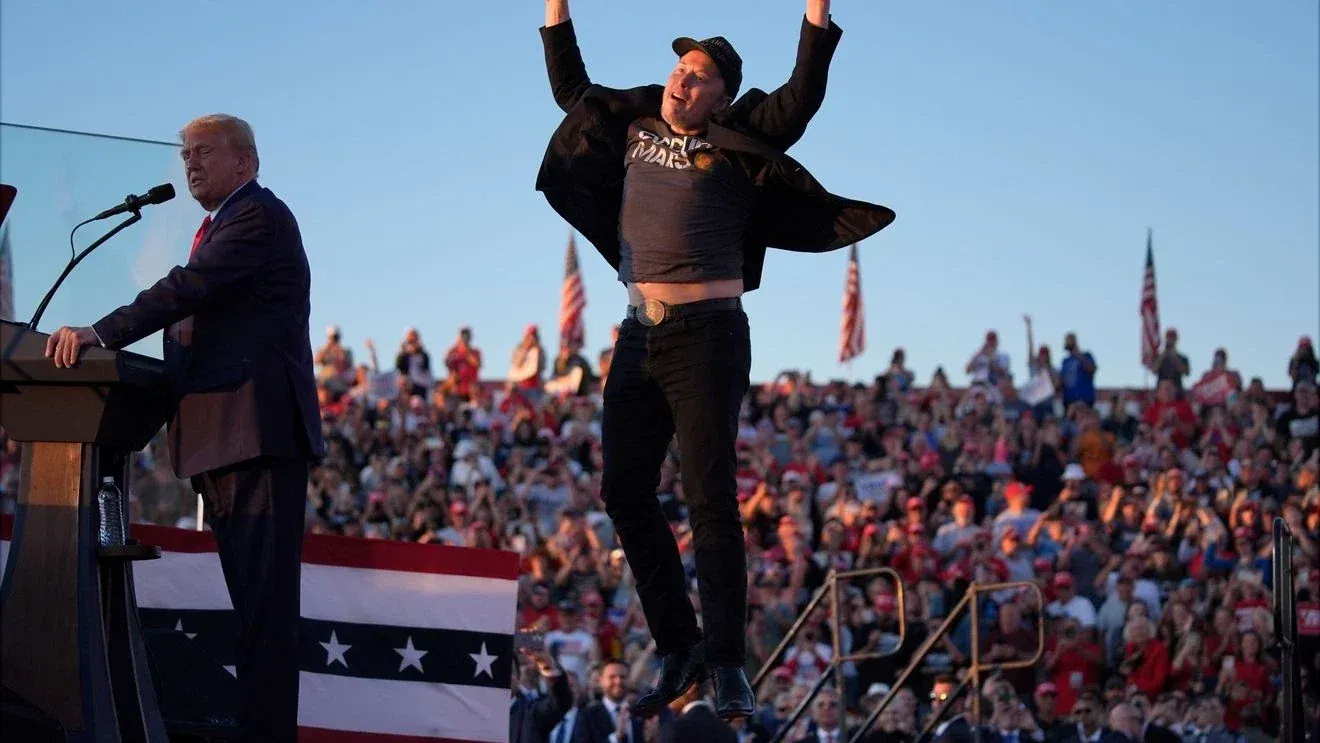
Outside spending has increasingly favoured negative messaging over affirmative promotion. Elon Musk’s America PAC has structured its midterm investments around direct hits on opponents. For every dollar the political committee allocated to backing Republican Senate nominees, it spent nearly three dollars attacking Democratic contenders in pivotal battleground states.23
Technology and industrial interests have expanded their footprint through specialized political vehicles. The largest network of political action committees backing artificial intelligence directed millions of dollars into shell companies registered in Nevada.23 In another contest, technology-focused committees injected nearly $1 million into an otherwise obscure Senate campaign.24
Individual donors are similarly directing resources toward competitive state contests. Madison Square Garden executive James Dolan has deployed substantial financial backing in the race for governor of New York, demonstrating how major corporate figures are shaping regional races.24
The combative tone extends directly to candidate messaging across the country. In one notable midterm advertising blitz, candidate Abdul El-Sayed introduced a series of commercial spots under the slogan ‘Mike Rogers Is Watching You,’ directly targeting his opponent’s record on government surveillance programs.24 The strategy mirrors the sharper, confrontational language now surfacing in clean energy and technology advocacy.
These expenditures unfold against an increasingly difficult landscape for congressional leadership. Administration aides have conceded privately that maintaining control of the House of Representatives has become improbable. With voting day approaching, White House strategists have chosen to direct remaining resources toward defending vulnerable Senate seats while essentially forfeiting the lower chamber.23
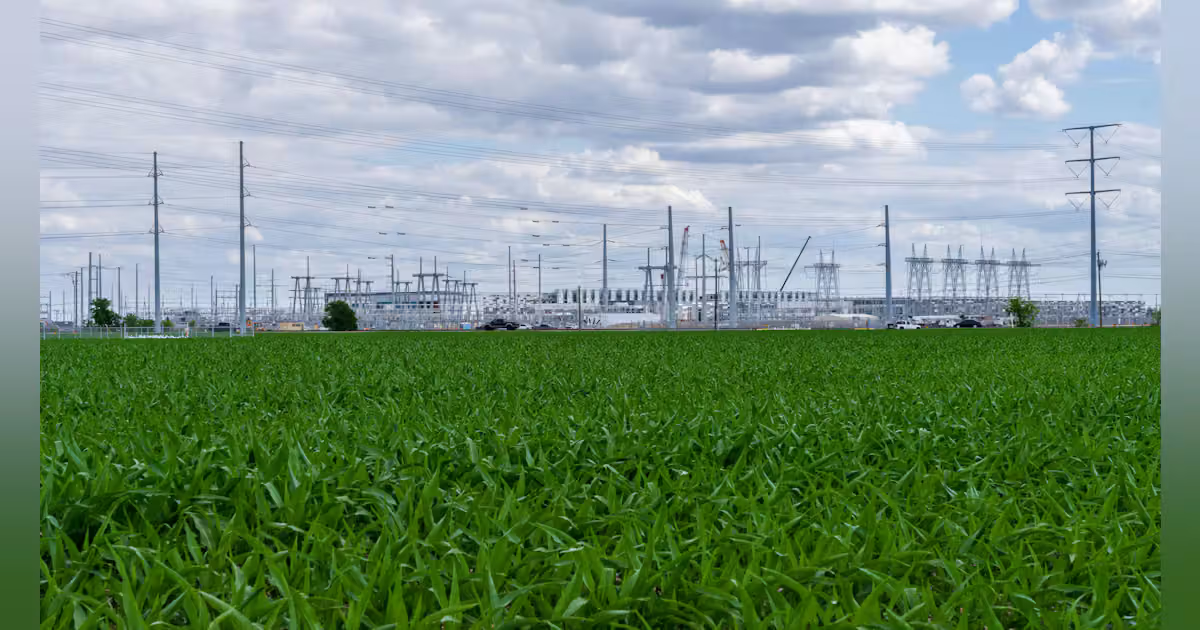
Energy politics and industrial policy have simultaneously emerged as central fault lines in key races. Contests stretching from the Senate to state governors’ mansions are testing how candidates navigate voter sentiment surrounding power infrastructure, grid reliability, and rapid industrial growth.24 In several jurisdictions, candidates have entered public pacts committing to legislative constraints on commercial data facilities.2
The political maneuvering intersects with mounting strain on national electrical generation. The rapid expansion of large computing hubs has prompted a resurgence in natural gas power projects across the United States, complicating efforts to curtail greenhouse emissions.5 Scientists monitoring planetary conditions continue to record severe ecological indicators, noting that environmental degradation has intensified globally.35
Federal policy has further intensified the competition over energy resources. Under the legislative provisions of the One Big Beautiful Bill Act, commercial data center developments located in rural communities become eligible for substantial federal tax incentives beginning next year.5 Those commercial carve-outs have fueled debate over whether public subsidies should support resource-intensive infrastructure at a moment when renewable energy developers face intensifying political friction.
The solar group’s decision to finance direct attack commercials indicates a tactical realignment among environmental organizations. As independent committees and tech-funded groups saturate competitive districts, renewable energy advocates are adopting the aggressive political instruments of their traditional opponents to defend commercial interests before Congress convenes.
The record
12 sentences trace to 5 sources.
-
1
NS
Noah Shachtman Document · wired.com · 14 Oct 2026 The Politics of Solar Energy Are Getting Weird, Mean, and a Little MAGA See the source
-
2
W
-
3
W
-
4
W
-
5
W