Trump diesel pact with Russia faces Republican resistance
The planned release of 4.8 million metric tons equals roughly 10 days of domestic consumption as wholesale prices barely move.
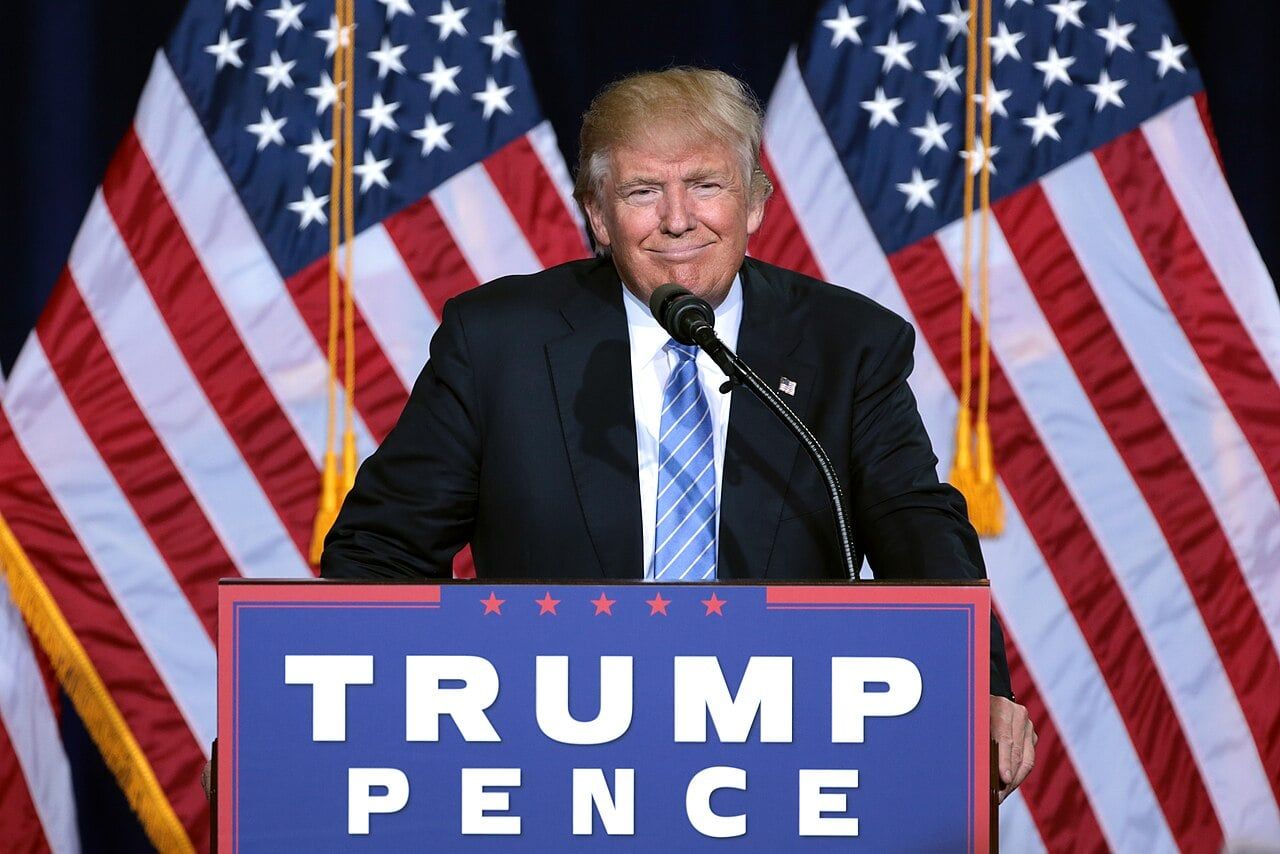
President Donald Trump agreed to import Russian diesel to ease domestic fuel costs, triggering swift opposition from congressional Republicans who argue the White House should not seek energy relief from Moscow.12 Multiple lawmakers in Trump's own party began pushing back immediately after the arrangement was announced, questioning both the strategy and whether the promised barrels will ever reach consumers.21
The agreement between Trump and Russian President Vladimir Putin calls for Moscow to supply 4.8 million metric tons of diesel to global markets in several phases.34 Russia agreed to release 300,000 metric tons immediately, followed by 500,000 tons in November, 1 million tons shortly afterward, and another 3 million tons dependent on refinery repairs.35 The Treasury Department issued a general license waiving energy sanctions on Russian diesel through April 2027 to facilitate the transactions.54
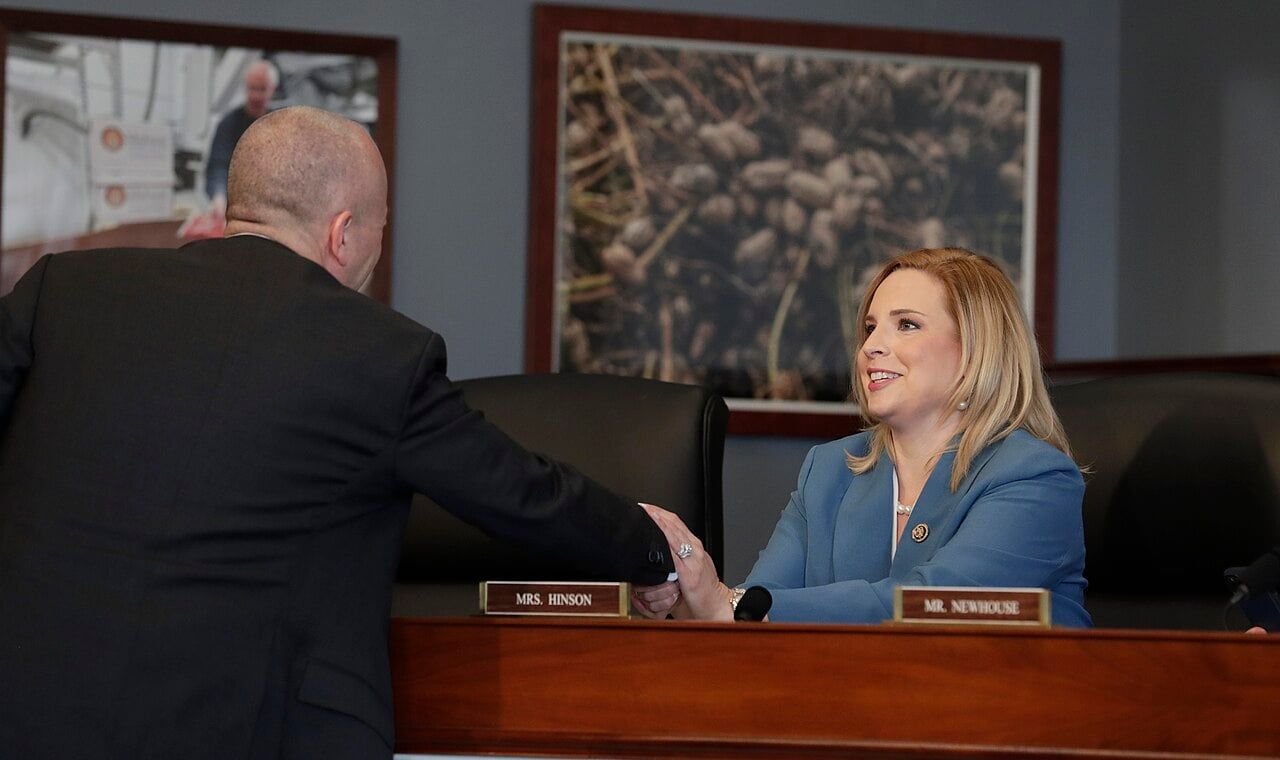
Congressional Republicans quickly broke ranks as campaign pressure mounted ahead of the November midterm elections.15 Representative Ashley Hinson of Iowa criticized the decision during a debate, arguing that federal authorities ought to pursue domestic measures instead.1 "We need to lower diesel prices, but I don’t think we need to be making a deal with Russia to do it," Hinson said.1
Other party figures offered similar warnings about relying on the Kremlin. Former Senator John Sununu said the arrangement would provide an advantage to Russia while doing little to lower prices at domestic pumps.1 In Michigan, former Representative Mike Rogers also broke with the administration.1 Two bipartisan groups of senators expressed formal opposition, including seven Republicans, while one House Republican pledged to introduce legislation blocking the imports entirely.12
Market analysts and economists also cast doubt on whether the volume of Russian fuel would noticeably lower prices. Chris Kennedy, an economist who served on the National Security Council during the Trump and Biden administrations, said the imports will have very little unnoticeable impact on domestic prices even if delivery occurs.21 Kennedy noted that the initial 500,000-ton volume slated for November amounts to roughly one day of domestic fuel demand.2
The full 4.8 million metric tons outlined in the deal equals nearly 36 million barrels, or roughly 10 days of total domestic consumption.3 Andy Lipow, president of Lipow Oil Associates, noted that the United States is already a net exporter of diesel and does not need direct Russian shipments.3 Lipow said futures markets viewed the announcement primarily as verbal intervention rather than a structural shift, noting that diesel futures closed only about 1 cent lower following the news.3

The fuel shock that prompted the agreement stems from refinery damage across Eastern Europe and the Middle East. Ukrainian drone strikes disabled several Russian refining units, driving Moscow's refinery outages 3 million barrels per day higher than during the same period last year.3 Meanwhile, regional conflict involving Iran disrupted crude transit through the Strait of Hormuz.34 Pump costs reflected the squeeze, with national diesel prices reaching $6.28 a gallon, up 72 percent from the previous year.34
The White House defended the transaction as a necessary step to protect consumers from elevated shipping and farming expenses.12 Trump dismissed congressional critics as unserious, stating that Russia was delivering supplies to the broader global market rather than sending dedicated tankers to American ports.12 Administration officials maintained that injecting supply into global channels would relieve cost pressure on domestic agriculture and freight trucking.12
Some Republican allies backed the White House initiative. Senator Bill Hagerty of Tennessee said Trump remained focused on economic security and dismissed concerns that purchasing Russian fuel would bolster Moscow's military operations against Ukraine.1 Other lawmakers, including Senate Armed Services Chairman Roger Wicker of Mississippi, suggested logistical barriers, foreign sanctions, and Russian refinery outages would prevent the full volume from ever materializing.1
The record
24 sentences trace to 5 sources.
-
1
S
semafor.com Third-party reporting · semafor.com · 14 Oct 2026 Trump doubling down on Russian diesel deal as Republicans run from it See the source
-
2
EM
-
3
C
CNBC Third-party reporting · cnbc.com · 13 Oct 2026 Trump's diesel deal with Russia equals less than two weeks of U.S. demand See the source
-
4
CN
CBS News Third-party reporting · cbsnews.com · 9 Oct 2026 Trump announces Russia will release millions of tons of diesel to help with skyrocketing costs See the source
-
5
C