Aleksandar Vucic concedes Serbian election to student movement
A student-led coalition secures a parliamentary majority after nearly two years of protests triggered by a fatal railway canopy collapse.
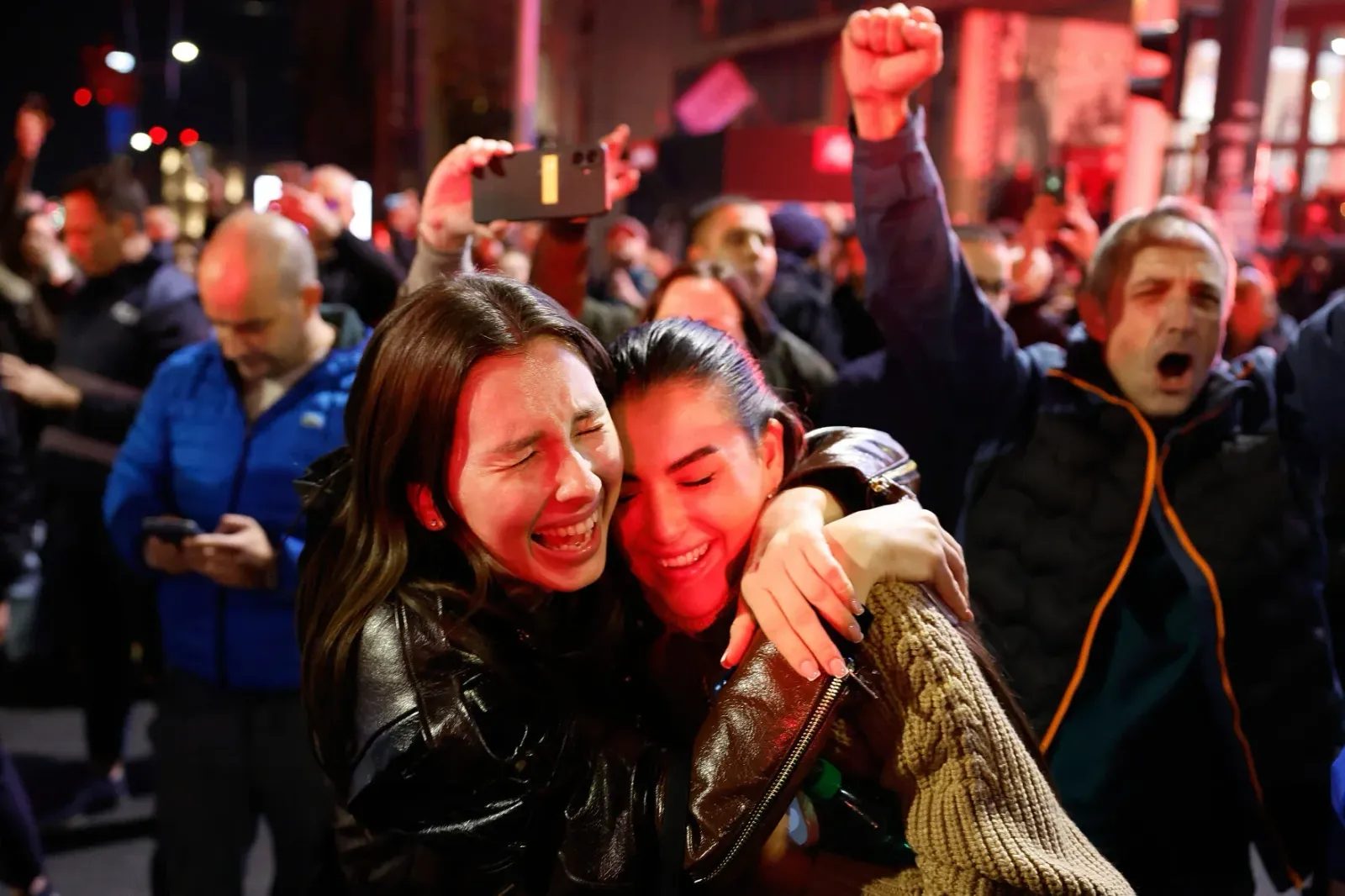
Aleksandar Vucic conceded defeat in Serbia's snap parliamentary election on Sunday night, concluding twelve years of governing dominance by his populist Serbian Progressive Party.12 The concession followed early vote tallies indicating that the opposition Student List movement won an absolute majority in the 250-seat national legislature.12 Speaking in a televised national address from Belgrade, Vucic acknowledged the outcome before official tabulations concluded across the Balkan country.13
"It is clear that we have lost these elections, the Student List has won," Vucic said in his address.14 Preliminary projections cited by Vucic showed the Student List securing between 135 and 140 seats, surpassing the 126-seat threshold required to form a government independently.12 His Serbian Progressive Party, known as the SNS, was projected to retain 105 seats, while no other electoral list crossed the threshold to enter parliament under initial samples.31
The election result represents the most substantial political realignment in Serbia since the collapse of the federal socialist state three decades ago.1 Vucic had held continuous executive control since 2014, first serving as prime minister, assuming the presidency in 2017, and then resigning his second presidential mandate in September to run again for head of government.31 His concession ended that tenure far more rapidly than protest organisers had anticipated.14
Within minutes of the broadcast, crowds entered the central boulevards of Belgrade and other urban centres.12 Thousands of demonstrators gathered near municipal landmarks, dancing, sounding vehicle horns, and chanting slogans against the departing administration.12 In the capital, demonstrators dismantled tents in a central park where government loyalists had maintained a camp for more than a year.2
The collapse in Novi Sad
The student movement emerged directly from public fury over an infrastructure disaster two years earlier.12 In November 2024, the concrete outdoor roof canopy of the main railway station in the northern city of Novi Sad collapsed, killing 16 people.12 The disaster ignited immediate protests against state procurement practices, official oversight failures, and alleged institutional corruption.12
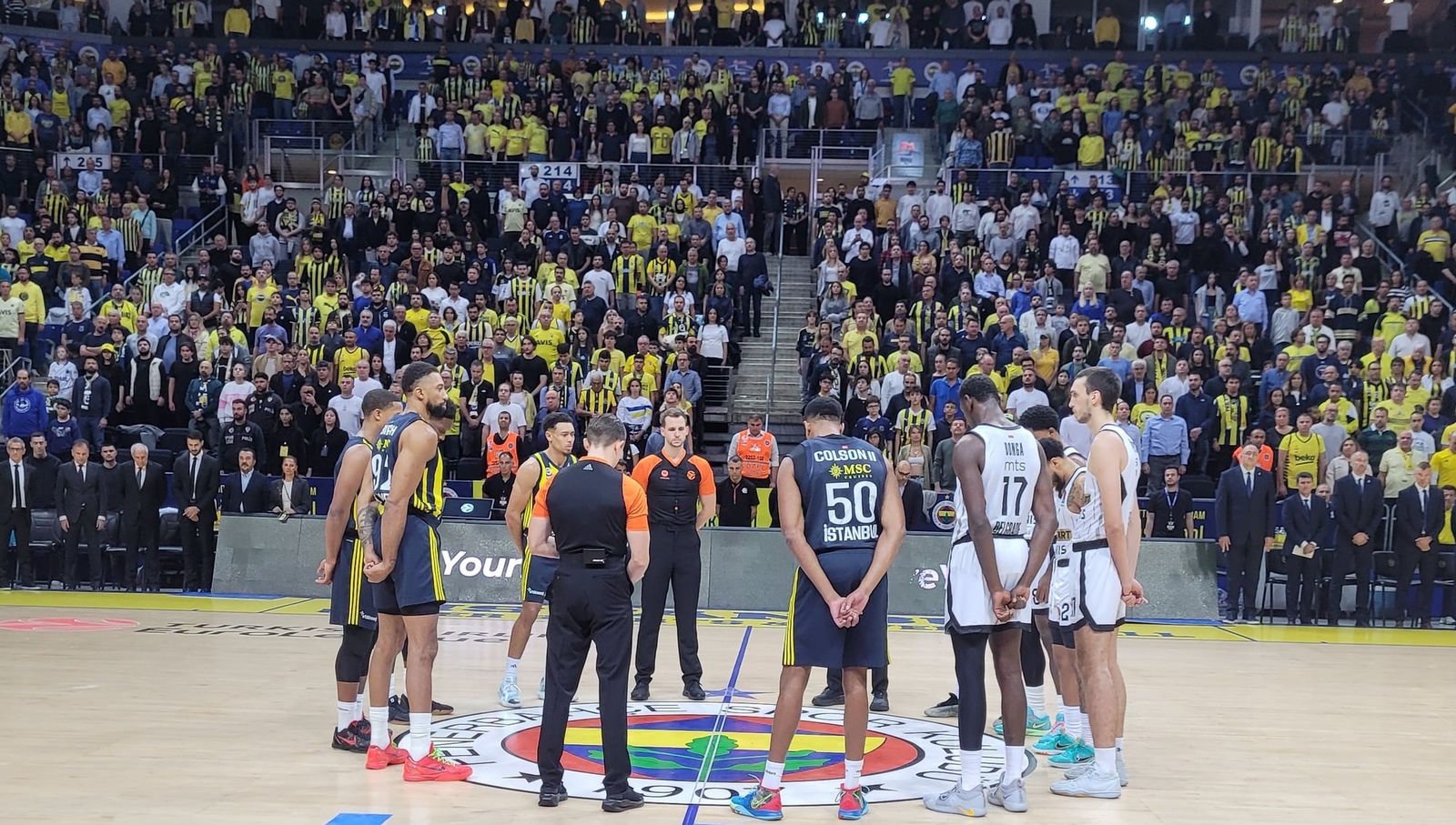
The demonstrations expanded into a sustained national campaign demanding comprehensive accountability and institutional reform.12 While government prosecutors investigated the physical collapse, student organisers broadened their focus toward political governance, judicial autonomy, and the conduct of security agencies.12 Human rights organisations and civic monitoring groups asserted that state authorities intensified pressure against activists throughout the subsequent two years.14
Vucic and the SNS leadership rejected accusations of authoritarianism, judicial interference, and illegal surveillance of political rivals.14 During the campaign, Vucic asserted that external intelligence bodies in Croatia and Montenegro funded the student organisations, an allegation the student leaders denied.14 Facing persistent street mobilization, Vucic called the snap parliamentary contest in September to seek a fresh mandate, pledging public sector wage increases, pension expansions, and continued capital investment.12
Voters responded with unprecedented participation.1 State election authorities recorded nationwide turnout reaching 64.9 percent by early evening, with final figures estimated near 70 percent.21 That level marked the highest electoral participation recorded in Serbia since the dissolution of Yugoslavia in 1992.12 Long queues extended outside polling stations in urban and rural districts throughout Sunday, forcing Vucic himself to wait nearly two hours to cast his ballot in the capital.14
An inexperienced ticket takes parliament
The Student List competed under ballot number three with a roster of 250 candidates drawn predominantly from professional fields rather than party apparatuses.1 The ticket assembled university faculty, medical specialists, actors, and agricultural producers, many lacking prior political office.12 Cardiologist Ilija Srdanovic led the slate, while several established opposition parties chose to step aside and endorse the civic movement rather than run rival slates.12
"Dear Serbia, tonight the voice of the people is being heard," Radomir Sajcic, a Belgrade University professor who stood as a parliamentary candidate for the movement, said at campaign headquarters.12 Sajcic framed the vote as an inflection point for the country, stating that the movement intended to begin structural governance reforms immediately.12 Dejan Soskic, a former governor of the National Bank of Serbia who ran on the student ticket, appealed to supporters to protect civil peace and commended the public for conduct at voting stations.14
Supporters of the outgoing administration highlighted substantial infrastructure modernisations completed over the past decade.12 The SNS oversaw construction of new highway corridors, clinical centres, and intercity railway lines, while attracting direct investments from multinational manufacturing firms.1 Vucic maintained that his party infrastructure would remain unified despite the electoral reverse, remarking that his coalition retained internal cohesion and was accustomed to political opposition.14
The conduct of voting encountered notable logistical and procedural challenges.2 The Centre for Research, Transparency and Accountability, an independent monitoring body that placed observers at 500 polling stations, documented instances of voter intimidation, ballot secrecy violations, and pressure on administrative staff at nearly one-third of observed sites.2 The Centre for Free Elections and Democracy recorded approximately 260 complaints concerning group voting, voter identification complications, and improper photography of ballots.2
Domestic transitions and external balances
The transition introduces acute operational questions for the incoming legislative majority.1 The Student List campaigned on eliminating systemic graft, depoliticising law enforcement, re-establishing judicial independence, and upgrading public educational standards.12 However, the movement has not announced its nominee for prime minister or revealed the composition of its planned cabinet.12
The new government will inherit complex international commitments.1 Over twelve years, Belgrade balanced trade ties with the European Union, large-scale industrial financing from China, and historical political alignment with Russia, which remains the country's primary natural gas supplier.12 The European Union remains Serbia's primary commercial partner, accounting for the vast majority of its export activity.14
Regional and continental officials reacted promptly to the transition.1 European Commission President Ursula von der Leyen stated that the commission stood prepared to cooperate with the new parliamentary leadership on institutional reforms, media protections, and Serbia's accession pathway.21 Hungarian Prime Minister Peter Magyar also conveyed support to the incoming coalition.14
For the student leaders, consolidating authority requires translating street mobilization into executive administration across ministries and municipal bodies.1 The movement must resolve internal leadership hierarchies, navigate existing contracts with foreign state lenders, and manage public expectations for immediate institutional purges without disrupting core state services.1 The formal transfer of parliamentary authority is expected to proceed once final precinct certifications conclude.32
The record
49 sentences trace to 4 sources.
-
1
R
Reuters Document · reuters.com · 25 Oct 2026 Serbia's Vucic concedes defeat in historic election win for student protest movement See the source
-
2
A
aljazeera.com Third-party reporting · aljazeera.com · 25 Oct 2026 Serbia’s Vucic concedes election defeat to student-led movement See the source
-
3
R
-
4
I
Internazionale Third-party reporting · internazionale.it · 25 Oct 2026 Serbia’s Vucic concedes defeat in historic election win for student protest movement See the source