Intelligence officials miss statutory deadline on secret surveillance ruling
Lawmakers demand disclosure of a court finding that restricted warrantless digital message searches before considering surveillance reauthorization.
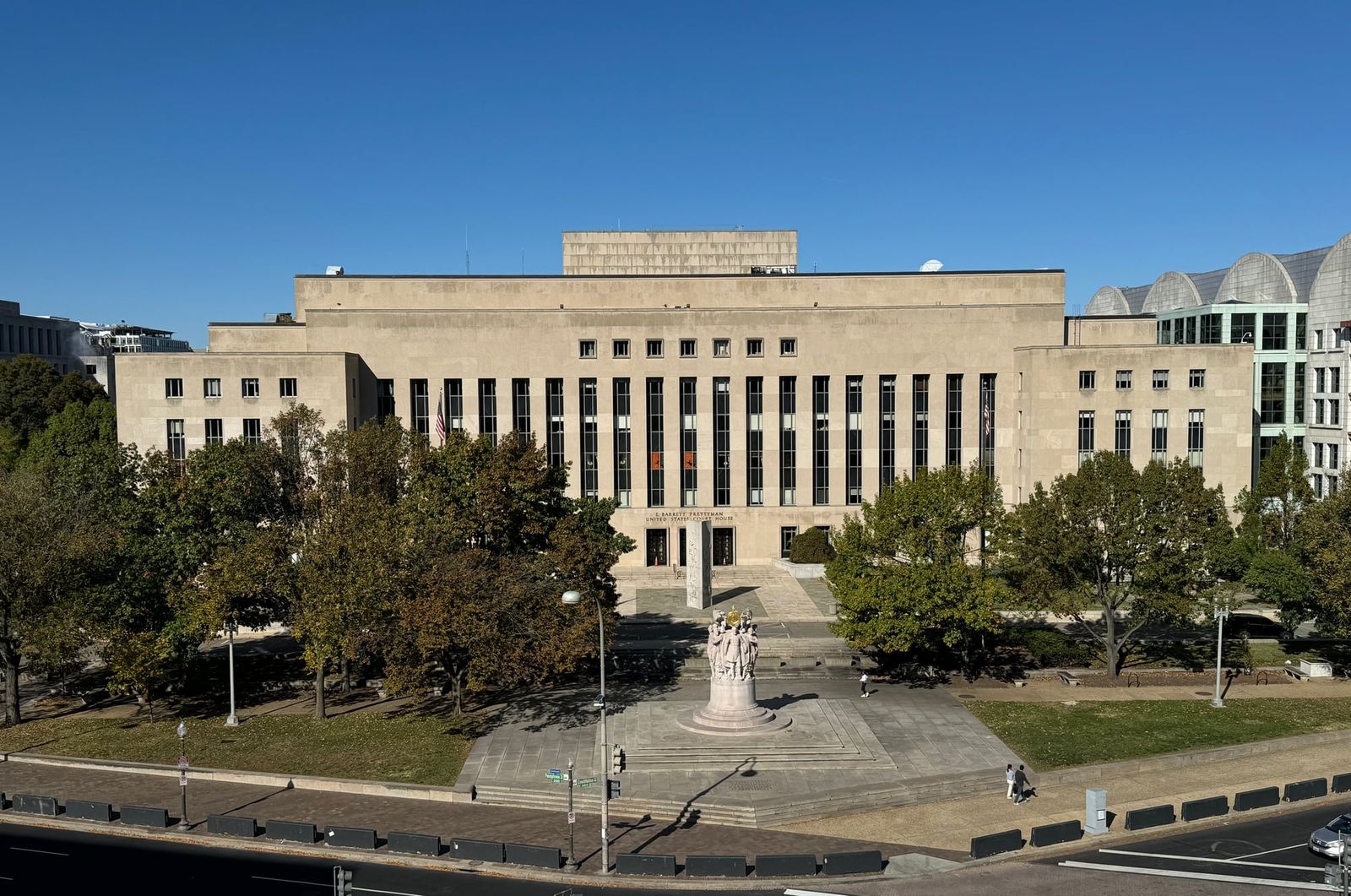
A federal intelligence court concluded seven months ago that automated filtering tools used by intelligence agencies to sift through intercepted communications amounted to unlawful warrantless searches of Americans.12 The Foreign Intelligence Surveillance Court objected to mechanisms that allowed analysts to query Americans' messages without obtaining required approvals, compiling written justifications, or retaining standard records.13 Despite those findings, the court authorized another year of surveillance operations under Section 702 of the Foreign Intelligence Surveillance Act, creating a secret legal precedent that remains shielded from public view.12
Under federal statute, the executive branch faced a strict timeline to review that ruling and publish its legal determinations. Title 50, Section 1872 of the United States Code requires the Director of National Intelligence, consulting with the Attorney General, to complete a declassification review of significant surveillance court opinions within 180 days.45 For the March ruling, that window expired on September 13.123 The administration allowed the deadline to pass without publishing a declassified version or invoking a formal national security waiver.21
The procedural lapse has ignited friction on Capitol Hill as national security officials push lawmakers to renew the underlying surveillance program before the end of the year. Section 702 technically expired in June when Congress failed to reauthorize it, but collection continues under the court order issued in March.123 Senators Ron Wyden of Oregon and Adam Schiff of California sent a formal demand letter to Director of National Intelligence Jay Clayton and Attorney General Todd Blanche, setting a November 6 deadline for officials to explain the delay and identify the individuals responsible.123
Statutory Deadlines and Administrative Silence
The requirement governing the release of surveillance opinions was established by Congress to prevent the executive branch from operating under secret interpretations of domestic law. Under the statute, when a decision contains a significant construction or interpretation of legal provisions, the government must make the text publicly accessible to the greatest extent practicable.45 The statute permits the executive branch to satisfy the mandate by issuing a redacted version.45 If the Director of National Intelligence determines that publication would jeopardize sensitive intelligence sources or methods, the statute authorizes a formal waiver, provided the Attorney General publishes an unclassified summary explaining the court's legal reasoning.45
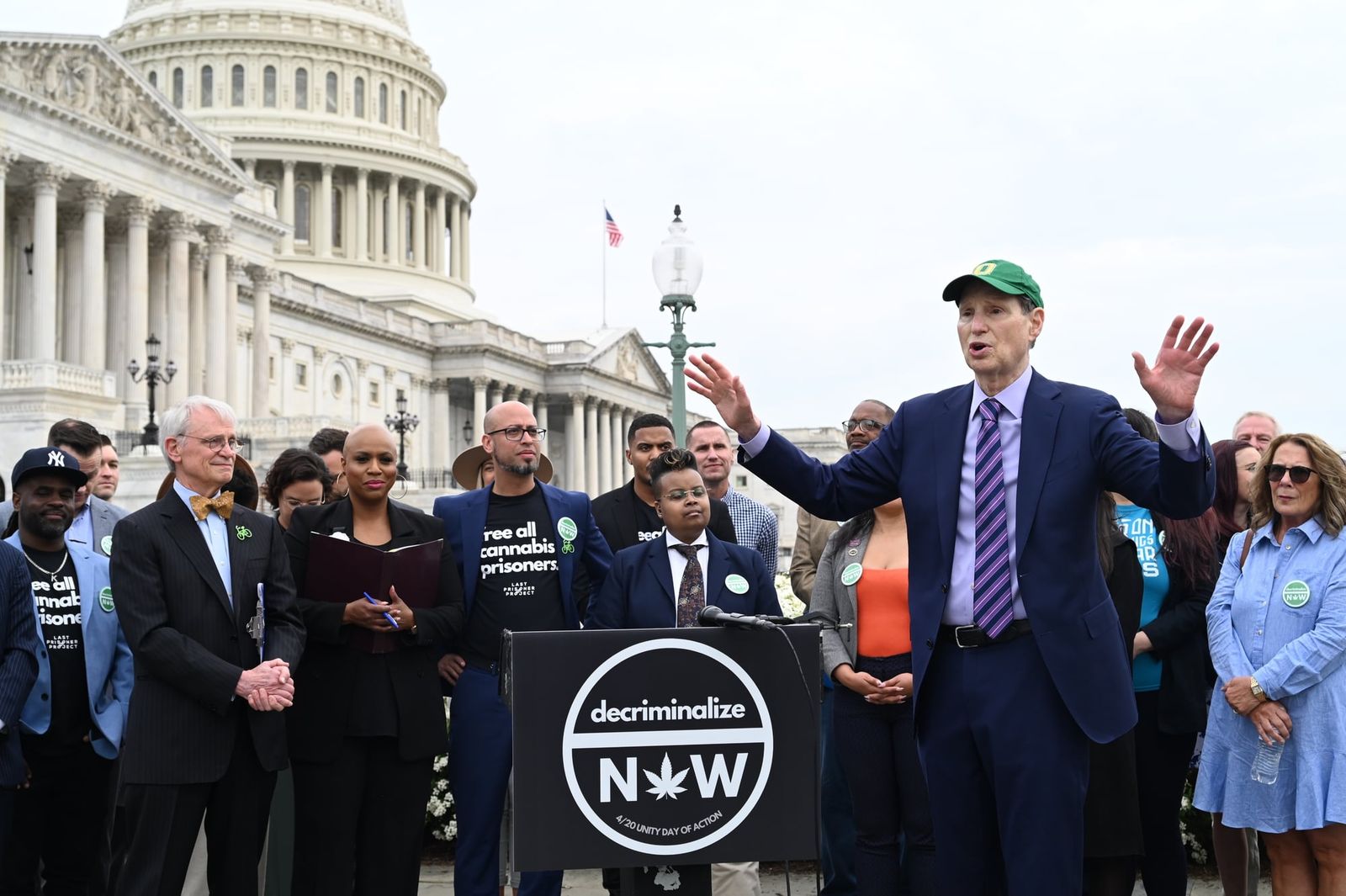
Neither agency invoked that statutory waiver when the September 13 deadline lapsed.2 Instead, the administration allowed the deadline to expire in silence, leaving the legal conclusions of the surveillance court inaccessible to the public. The refusal to release the ruling follows months of inquiries from congressional oversight panels. In April, the Senate Intelligence Committee's leadership requested that the opinion be released within 15 days to inform debate over the program's reauthorization.12 During his confirmation proceedings in July, Blanche stated in writing that the administration would declassify the document within the statutory 180-day window.123
Clayton, who holds statutory authority over the declassification decision, gave fewer assurances during his confirmation hearing.1 When asked whether he would ensure the ruling was made public before lawmakers voted on extending Section 702, Clayton stated that officials were working to declassify the document expeditiously, while noting that the classified opinion had been made available to members of Congress in secure facilities.1 Representatives for Clayton and Blanche did not respond to requests for comment regarding the missed deadline.123
Internal Search Filters and Querying Violations
The secret ruling centers on the technical architecture that federal analysts use to navigate surveillance databases. Section 702 permits intelligence agencies to gather foreign intelligence by targeting non-citizens located abroad without an individualized warrant.23 In the course of that overseas targeting, the government routinely sweeps up Americans' communications with foreign targets.21 Federal agencies rely on specialized filtering tools to manage that stream of communications, but the court found that those filters operated in ways that bypassed statutory safeguards.13
The dispute reflects long-standing concerns regarding internal compliance across the intelligence community. A previous declassified surveillance court ruling described an FBI mechanism called a participants filter, which permitted agents to select individuals in communication with surveillance targets and examine their private messages.1 In February 2025, the Justice Department's National Security Division informed the court that the participants tool had executed electronic searches without recording them in official query logs.1 The bureau temporarily deactivated the system the following month, reactivating a modified version later that year after securing departmental approval.1
The March ruling went further by determining that filtering tools used across agencies to narrow intercepted data to an American's communications function as domestic queries, subjecting them to standard legal restrictions.13 Rather than treating technical filters as routine data management, the court ruled that isolating an American's messages requires formal justifications, supervisory sign-offs, and logged entries.1 The Justice Department is currently appealing aspects of that ruling that restrict agency filtering operations.1
While withholding the judicial opinion, intelligence agencies distributed informational sheets to lawmakers highlighting high compliance figures.1 Those fact sheets reported a 98.9% compliance rate for FBI searches involving Americans and cited Section 702 intelligence with disrupting a planned attack on a concert in Vienna.1 The documents omitted any mention of the court's adverse findings regarding search filters.1 The cited percentage also diverged from an October 2025 review by the Justice Department inspector general, which calculated an compliance rate of 98.6% while finding that the bureau's querying compliance issues were not entirely resolved.1
The Reauthorization Battle
The conflict over the secret opinion has emerged as a central obstacle in negotiations over extending Section 702. Civil liberties organizations and congressional reformers argue that intelligence agencies should not receive an extension while concealing court assessments of their compliance records. A coalition of 23 civil liberties and government accountability groups, including Demand Progress, the American Civil Liberties Union, and the Project for Privacy and Surveillance Accountability, submitted a joint letter urging congressional leaders to reject reauthorization until the administration publishes the mandated opinion.123
The legal expiration of Section 702 in June has created an unusual procedural landscape. Although statutory authority lapsed during the summer, telecommunications carriers and technology companies remain legally bound to comply with intelligence directives under the court certification signed in March.21 Legal analysts, including Elizabeth Goitein of the Brennan Center for Justice, have noted that this certification keeps intelligence collection active through March 2027.2 Under existing rules, the government must submit a formal renewal application roughly 30 days before that certification expires, giving Congress several months to deliberate despite administrative warnings that surveillance capabilities could face disruptions by late November.2
Lawmakers familiar with the classified text have intensified their public warnings. Senator Dick Durbin, the senior Democrat on the Senate Judiciary Committee, encouraged colleagues on the Senate floor to review the secret opinion in secure committee spaces, stating that examining the text would reshape their understanding of surveillance authorities and constitutional protections.1 Wyden has similarly warned about classified legal interpretations of Section 702 that successive administrations have maintained without public disclosure, arguing that lawmakers have conducted national debates while lacking essential facts.1
Legislative strategists anticipate that surveillance proponents may attempt to circumvent floor debates by attaching a Section 702 extension to the annual National Defense Authorization Act, which typically passes in December.1 In 2023, lawmakers utilized the annual defense measure to enact a four-month surveillance extension following unsuccessful efforts to remove the provision.1 Current drafts of the defense bill in both chambers do not contain language reauthorizing the surveillance statute, leaving the immediate future of the authority dependent on the administration's response to the November 6 deadline.1
The record
39 sentences trace to 5 sources.
- 1 The US Government Is Hiding a Secret Court Ruling About How It Spies on Americans Not published online
-
2
BS
Breach Signal Third-party reporting · breach-signal.com · 26 Oct 2026 Wyden and Schiff Demand release of withheld FISA opinion See the source
-
3
C
CyberScoop Third-party reporting · cyberscoop.com · 26 Oct 2026 Senators, rights groups say Trump administration breaking law by withholding surveillance court opinion See the source
-
4
U
uscode.house.gov Official record · uscode.house.gov 50 U.S.C. § 1872: Declassification of significant decisions, orders, and opinions See the source
-
5
U