Congress weighs three chip export bills after Nvidia inquiry
Negotiators are debating whether to attach measures regulating foreign sales and tracking semiconductors to the annual defense policy package.

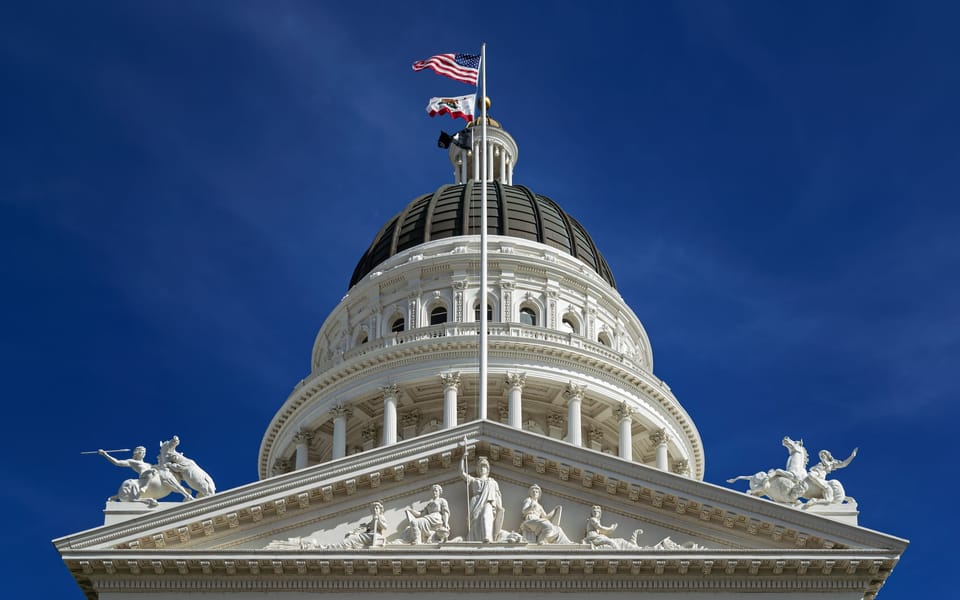
Congressional leaders in both parties are moving to tighten restrictions on shipments of advanced artificial intelligence processors to China, following disclosures concerning Nvidia and the departure of its longtime leadership.12 Bipartisan negotiations are underway on Capitol Hill to incorporate several statutory curbs into the National Defense Authorization Act before the current legislative session concludes.1
Three legislative proposals
Lawmakers are actively considering three distinct measures for inclusion in the compromise defense package.1 The first measure, the Chip Security Act, seeks to deter illicit diversions of advanced processors to foreign adversaries by requiring location verification for hardware after delivery.1 A second bill, the MATCH Act, targets regulatory loopholes surrounding semiconductor fabrication equipment and aligns standards with allied nations.1 The third proposal, the AI Overwatch Act, would treat advanced computing hardware sales in a manner similar to foreign military sales, establishing formal congressional oversight over license determinations made by the Commerce Department for countries of concern, including China.1
Senate Majority Leader John Thune said there is a "high probability" that Congress will impose further limits on technology exports to China.1 Both Thune and Senate Armed Services Committee Chairman Roger Wicker, a Mississippi Republican, have acknowledged that a final bicameral agreement on the defense package has not yet been completed.1
Other senior legislators have echoed that expectation. Sen. John Kennedy, a Louisiana Republican, estimated the chances of passing tougher rules through the Commerce Department at better than even.1 In the House of Representatives, Speaker Mike Johnson described a developing consensus across both parties in favor of additional restrictions on computing hardware, calling the position necessary given recent developments.1
Democratic leaders have signaled corresponding support for legislative action. Senate Democratic Leader Chuck Schumer urged the adoption of all three proposals to restrict access to advanced domestic technology.1 House Minority Leader Hakeem Jeffries endorsed placing computing restrictions inside the defense policy bill, while Rep. Mike Levin, a California Democrat, said the legislation provides a clear vehicle to establish statutory guardrails around exports.1
Investigations and executive conduct
The push for statutory intervention accelerated after former Nvidia chief executive Jensen Huang resigned from the company.32 Federal scrutiny intensified following revelations regarding Huang's personal relationship with Alice Huang, a former technology executive associated with the Singapore-based firm Megaspeed.32 Officials have scrutinized Megaspeed over allegations that the company assisted in diverting advanced computing hardware to Chinese entities.12
Federal law enforcement agencies are examining commercial transactions involving Megaspeed, which purchased $4 billion in hardware from Nvidia.1 Additional reporting from industry analysts indicated that shipments connected to the company may have directed at least $7.5 billion in chips toward China.4 The Justice Department is conducting an active investigation into whether those transactions breached federal trade controls.1
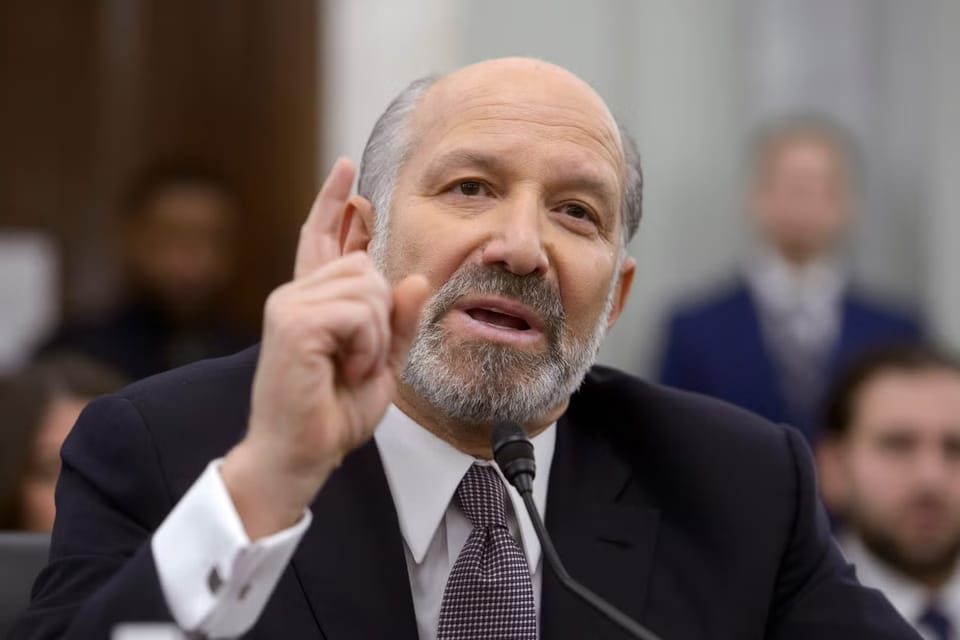
Congressional committees have also initiated formal inquiries into the executive branch's oversight of export authorizations.32 Rep. Richard Neal of Massachusetts and Sen. Ron Wyden of Oregon, the ranking Democrats on the House Ways and Means and Senate Finance committees, sent a joint demand to Commerce Secretary Howard Lutnick requesting the preservation of departmental communications and tax records.3
In their letter, Neal and Wyden raised questions about an export framework under which Taiwanese-manufactured H200 chips passed through the United States for testing and were assessed a 25 percent tariff before export to China.32 The lawmakers cited public arrangements under which hardware manufacturers agreed to share 15 percent of their revenue from certain foreign sales with the federal government.2 The lawmakers alleged that approvals proceeded after Nvidia directed $26 million toward presidential initiatives, including the construction of a White House ballroom, and questioned why export approvals continued after intelligence officials raised warnings regarding Megaspeed and entities lacking physical premises.32
House Foreign Affairs Committee Chairman Brian Mast, a Florida Republican, announced that Huang agreed to appear before congressional investigators for testimony prior to the Thanksgiving holiday.3 Leaders from the House Select Committee on the Strategic Competition Between the United States and the Chinese Communist Party and the House Intelligence Committee have similarly sought closed-door testimony concerning commercial dealings with foreign intermediaries.2
Industry alignments and diplomatic frictions
The legislative debate has divided the domestic technology sector. Trade groups, including the Information Technology Industry Council, have argued against sweeping statutory export curbs, warning that statutory mandates could undermine the broader American technology architecture.1 During deliberations over the previous defense policy bill, similar statutory export proposals, including the GAIN AI Act authored by Sens. Elizabeth Warren and Jim Banks, were removed from the House version following pushback from hardware manufacturers and administration advisers.1
Support among artificial intelligence developers has shifted during the current session. Anthropic publicly endorsed all three statutory measures pending before Congress, while OpenAI moved toward supporting the proposals after expressing earlier hesitation.1
The domestic controversy has also complicated broader diplomatic engagements. The United States and China agreed to extend a bilateral trade truce through January.5 However, former commerce officials noted that heightened congressional scrutiny makes it difficult for trade negotiators to guarantee the continuity of administrative licensing rules ahead of bilateral summits between President Donald Trump and Chinese President Xi Jinping.5 Earlier in the autumn, United States Trade Representative Jamieson Greer stated that export controls remained categorized as national security matters rather than conventional negotiating chips.5
Legislative negotiations and fiscal leverage
Despite broad bipartisan interest in tightening controls, final passage through the National Defense Authorization Act faces procedural friction. Several Democratic lawmakers, including incoming House Armed Services Committee Chairman Adam Smith of Washington, have suggested using the annual defense bill or December government funding deadlines to push for statutory language addressing foreign military engagements, including operations in Iran.1
Substantive disagreements also persist regarding how far statutory restrictions should extend. Sen. Maria Cantwell, a Washington Democrat, cautioned that Congress has already enacted substantial export curbs and urged thorough evaluation before passing new mandates.1 Some lawmakers have expressed concern that overly broad restrictions could accelerate domestic semiconductor manufacturing within China by foreclosing access to foreign suppliers entirely.14
Sen. Todd Young, an Indiana Republican, noted that while imposing export controls on the most capable hardware represents an obvious step, calibrating the specific processing power thresholds for permitted hardware requires delicate balance rather than rigid formulas.1 Sen. Mike Rounds, a South Dakota Republican, said that while the recent corporate controversy reinforces the demand for statutory export controls in the annual defense bill, negotiations over which specific strategy takes precedence in the final conference report remain unresolved.1
The record
37 sentences trace to 5 sources.
-
1
BE
 Burgess Everett
Document
· semafor.com · 12 Nov 2026
‘A high probability’: Congress pushes tighter export controls following Nvidia scandal
See the source
-
2
T
 techcrunch.com
Third-party reporting
· techcrunch.com · 12 Nov 2026
Democrats launch Nvidia investigation, write scathing letter on Huang's 'scheme' with Trump | TechCrunch
See the source
- 3 Democrats Open Probe Into Trump’s Deal to Export Nvidia Chips to China See the source
-
4
S
semafor.com
Third-party reporting
· semafor.com · 12 Nov 2026
Nvidia turmoil could shake up China’s AI landscape
See the source
-
5
S
semafor.com
Third-party reporting
· semafor.com · 12 Nov 2026
Nvidia fallout could hamper US-China trade talks
See the source