Engineered antibodies neutralize lethal cobra venom across diverse Indian species
Broad-spectrum treatments grown in cellular cultures could replace century-old horse serum therapies, lowering production risks and improving survival for tens of thousands of snakebite victims.
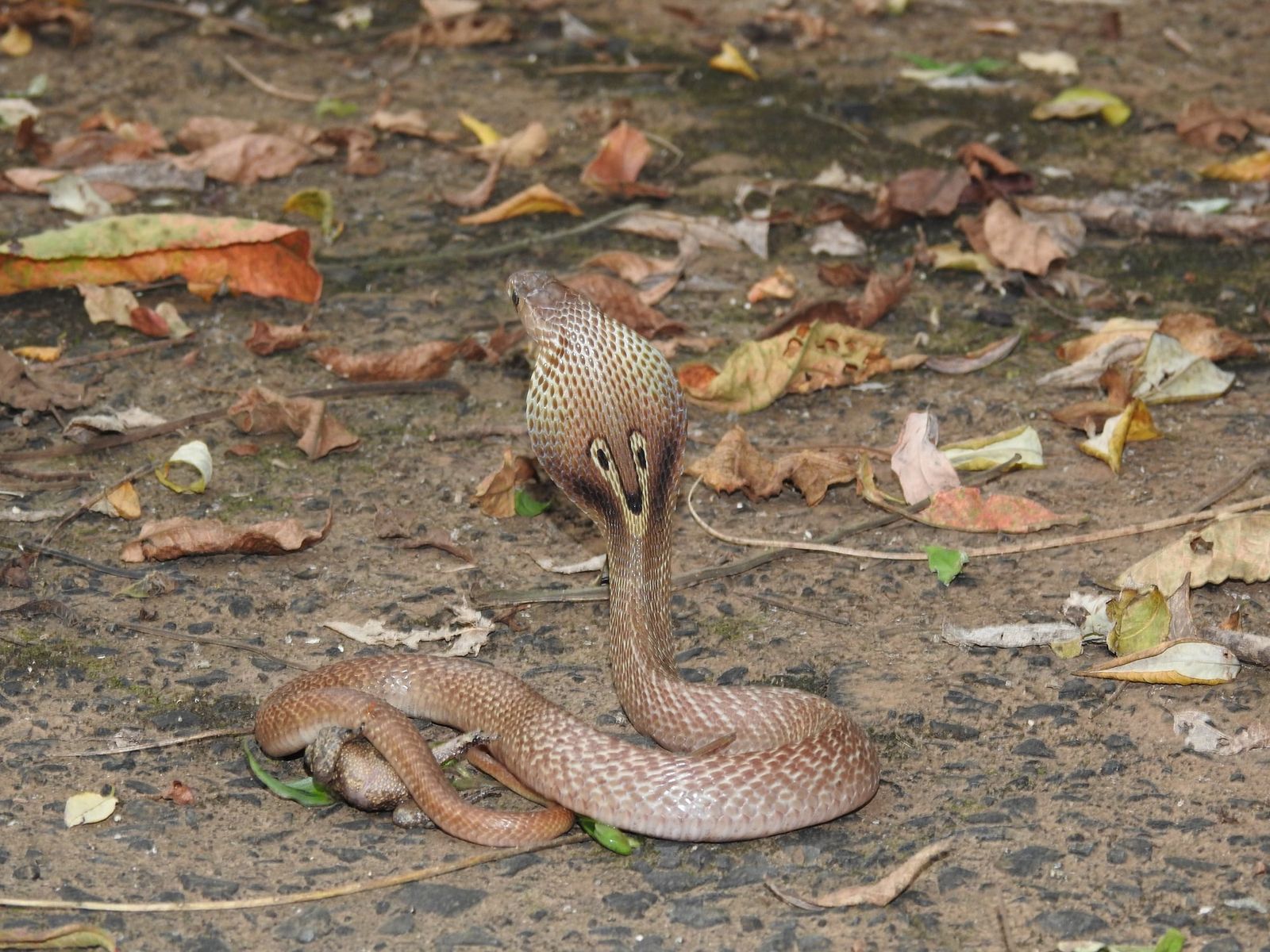
A venomous snakebite triggers an immediate biochemical race inside living tissue. When fangs puncture skin, they discharge a lethal mixture of specialized proteins designed to incapacitate prey. Certain components destroy local cellular membranes or induce severe internal bleeding, while neurotoxic proteins travel rapidly toward neuromuscular junctions.1 At these microscopic meeting points between nerves and muscle fibers, neurotoxins latch onto chemical receptors and block the transmission of electrical signals.1 Without those signals, voluntary and involuntary muscles lose the ability to contract. Breathing muscles eventually falter, leading to death by suffocation unless circulating antidotes intercept the toxins before they dock permanently with their targets.
Stopping that physiological cascade remains one of global medicine's most stubborn challenges. Snakebite is officially categorized as a neglected tropical disease, yet public health registries document hundreds of thousands of deaths and long-term physical disabilities worldwide every year.1 The crisis is particularly severe in South Asia. India alone records nearly 50,000 snakebite deaths each year, a mortality toll that exceeds the annual snakebite casualties of any other nation.1 Despite that severe toll, the world's primary defense against envenomation continues to rely on serum collected from animals, a century-old technique that frequently causes dangerous immune reactions and provides erratic coverage against different serpent populations.1
To establish a safer and more consistent alternative, researchers led by Kartik Sunagar at the Indian Institute of Science and Andreas Laustsen at the Technical University of Denmark developed an artificial antivenom assembled from laboratory-engineered antibody fragments.1 In an experimental study published in Science Translational Medicine, the investigators showed that a synthetic mixture of five miniature antibody components neutralized venom across geographically diverse cobra species found throughout India.1 When administered to laboratory mice exposed to lethal venom doses, the engineered cocktail arrested paralysis, restored normal mobility, and protected the animals from death even when given after severe neurological symptoms had already taken hold.1
Why has snakebite treatment remained frozen for a century?
Current antivenoms still depend on injecting horses with sublethal doses of snake venom and harvesting the resulting blood serum, an animal-reliant manufacturing process that has barely changed in more than 100 years.1 Kartik Sunagar, an Associate Professor at the Centre for Ecological Sciences at the Indian Institute of Science, noted that modern medical clinics still rely on this legacy technology because animal immune systems naturally generate antibodies against foreign venom proteins.1 However, maintaining herds of equines and repeatedly extracting their blood yields relatively small volumes of active, toxin-targeting molecules alongside large quantities of irrelevant animal proteins.1
That reliance on animal serum creates persistent clinical and manufacturing hazards. When equine antibodies enter a human patient's bloodstream, the recipient's immune system frequently recognizes the foreign horse proteins as dangerous invaders, triggering severe allergic reactions and a condition known as serum sickness.1 Furthermore, each snake species manufactures a distinctive cocktail of toxins that attack nerves, blood vessels, or local tissues.1 Because traditional antivenoms rely on venom pooled from snakes captured in specific locations, the resulting serum exhibits substantial batch-to-batch variability and often fails to neutralize bites from snakes living in adjacent regions or related species within the same geographic boundaries.1
How can microscopic antibody fragments stop lethal venom?
Engineered nanobodies protect nerve cells by attaching directly to the active sites of venom proteins, physically blocking the toxins from binding to their normal molecular targets.1 Standard mammalian antibodies are large, Y-shaped proteins constructed from pairs of heavy and light protein chains.1 Instead of deploying complete antibody molecules, Sunagar and colleagues isolated miniature fragments located at the tip of the Y structure, derived from light-chain proteins.1 These compact units, known as nanobodies, possess the specific molecular shape needed to latch onto venom toxins while omitting the bulky structural regions that provoke adverse immune responses in humans.1
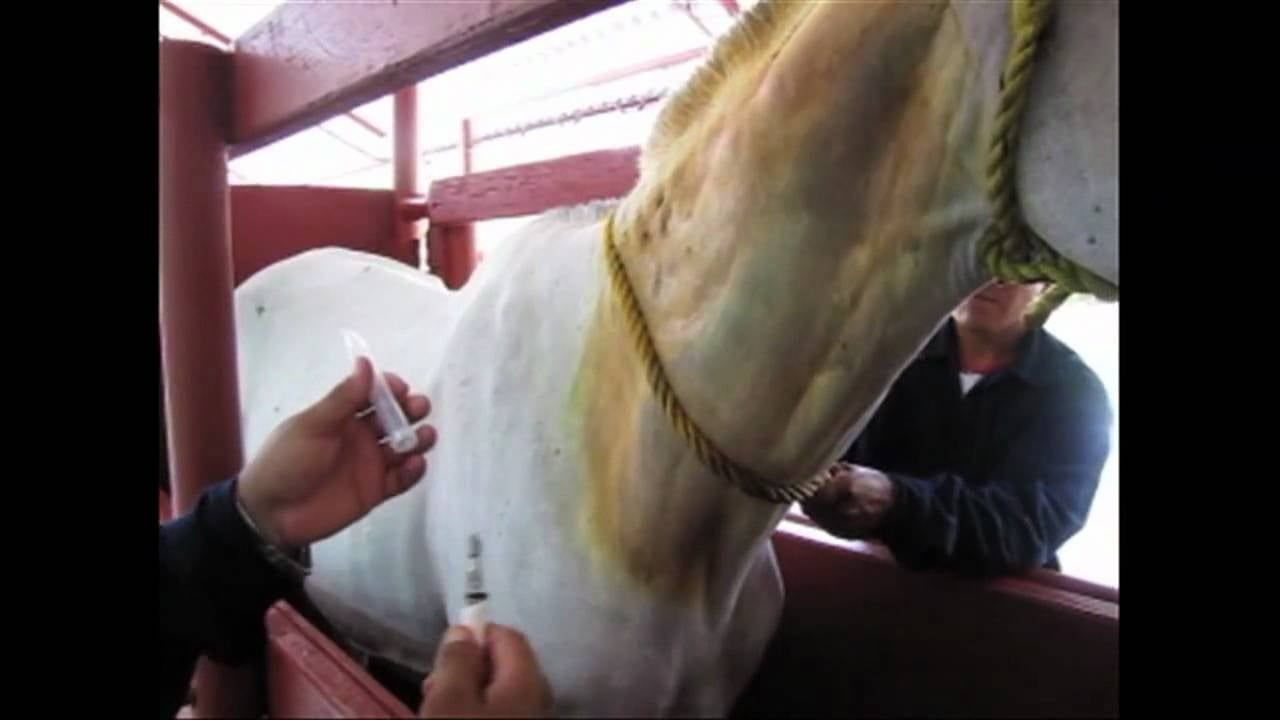
To obtain the necessary binding templates, the researchers built upon a screening method developed in an earlier investigation.1 In that prior study, Andreas Laustsen, a professor at the Technical University of Denmark, and his colleagues examined blood drawn from camelids, such as alpacas and llamas, that had been immunized against venoms from several African snake species.1 The Danish team extracted the animals' antibody genes and transferred them into microbial cells to mass-produce the fragments in laboratory culture flasks.1 The investigators then deployed bacteriophage display, a molecular technique that presents foreign proteins on the outer surfaces of bacterial viruses, allowing researchers to sift through vast libraries of antibody fragments and select those that bound most tightly to target venom proteins.1
In the current investigation, the research teams exposed that existing library of camelid-derived antibodies to venom harvested from distinct cobra species across India.1 Their laboratory screenings revealed that antibody fragments originally generated against African toxins could also cross-react with and neutralize structurally related toxins produced by Asian snakes.1 From this collection, the scientists assembled an oligoclonal cocktail containing five specific nanobodies that collectively recognized the predominant lethal neurotoxins produced by Indian cobras and king cobras.1 In molecular binding assays, the five-nanobody cocktail neutralized active venom and prevented the toxic proteins from attaching to their target biological receptors.1
The investigators subsequently tested the five-nanobody mixture in controlled rodent trials, administering lethal quantities of venom to laboratory mice.1 The cocktail shielded the animals against venom extracted from spectacled cobras, monocled cobras, and two distinct Indian king cobra species.1 Notably, the treatment retained its protective efficacy even when researchers delayed administration for 30 minutes after injecting the venom.1 Laboratory mice that had already developed muscle weakness, characteristic neurotoxic symptoms, and full physical paralysis recovered entirely and returned to an asymptomatic condition after receiving the synthetic therapy.1 Sunagar explained that earlier experimental efforts using monoclonal antibodies often demanded large doses to neutralize venom in rodents, whereas this engineered cocktail achieved complete protection with very small quantities of antibodies.1
What hurdles remain before recombinant antivenoms reach patients?
The new antibody cocktail has demonstrated protection only in controlled mouse experiments, meaning researchers must still prove its safety and effectiveness in human clinical trials.1 The published findings show successful neutralization in small laboratory rodents under strict experimental conditions, but human physiology and venom distribution dynamics differ substantially from mouse models. In addition, the 30-minute treatment window evaluated in the laboratory reflects an acute intervention timeframe that may prove difficult to replicate in remote agricultural communities, where snakebite victims frequently travel several hours over difficult terrain before reaching a clinic equipped with medical supplies.1
The experimental formulation also targets a specific category of venom and cannot treat bites from all dangerous reptiles. While the five-nanobody cocktail protected mice against neurotoxic venoms from spectacled cobras, monocled cobras, and king cobras, it does not neutralize the hemotoxins and tissue-destroying enzymes found in vipers or kraits, which account for a large proportion of envenomations in India.1 Sunagar and colleagues reported that broad protection across all medically significant Indian species will require engineering supplementary antibody fragments to address those distinct toxin families.1
Translating these laboratory results into an accessible pharmaceutical product will require scaling up biomanufacturing systems and conducting formal clinical development. Because these nanobodies can be synthesized in microbial or humanized expression systems rather than harvested from live animals, commercial production could eventually take place in industrial bioreactors, eliminating the expense and variability of maintaining horse herds.1 Co-author Anne Ljungars, a senior researcher at the Technical University of Denmark, observed that solving snakebite envenomation requires sustained collaboration across toxinology, protein engineering, and immunology.1 Laustsen noted that targeting specific toxin families establishes a general template for engineering recombinant antivenoms tailored to the most lethal snake species found in different regions around the globe.1
This piece was prepared from the paper in Science Translational Medicine and public records; the authors have not been interviewed.
What this rests on
38 sentences trace to 1 source.
-
1
E
EurekAlert! Document · eurekalert.org Engineered antibodies offer broad protection against deadly cobra toxins See the source