Pesticide poisonings strike nearly half of the world's agricultural workers annually
Severe chemical sickness affects hundreds of millions of field laborers each year, pushing international advocates to demand bans on dangerous compounds and better surveillance.

Chemical pesticides are manufactured to disrupt biological systems, yet the human bodies applying them across the world's croplands absorb those same compounds on a massive scale. While agriculture is often perceived as an outdoor trade centered on physical labor and fresh air, the chemical compounds sprayed onto vegetables, grains, and fruit regularly turn farm work into a hazardous occupation. When concentrated poisons are dispersed over open ground, workers laboring in the fields absorb toxic compounds through their skin, lungs, and mouths. The resulting health damage strikes agricultural communities every season, transforming routine cultivation into a recurring public health crisis across rural areas worldwide.
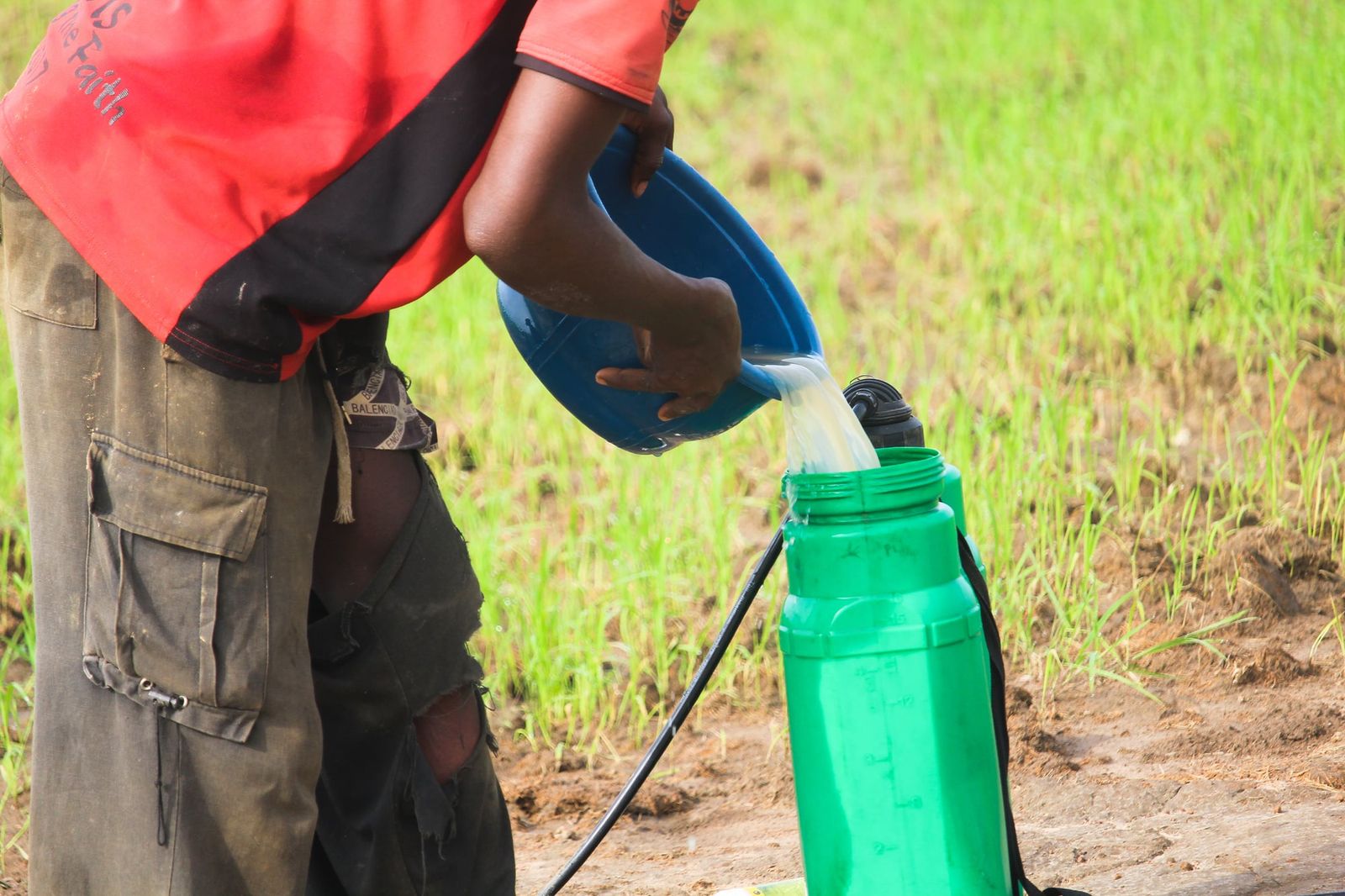
The physiological path from chemical application to sudden illness follows a direct, physical chain of contact. A farm worker typically opens containers of concentrated liquid or powder, mixes the chemicals with water, and fills a handheld or backpack spraying unit. As the spray nozzle releases a fine mist across the crops, crosswinds and ambient air currents carry airborne droplets directly back onto the applicator. Without heavy protective equipment, which is often unaffordable or unwearable in intense tropical heat, these liquid droplets settle onto exposed skin, saturate clothing, and enter the airways. Once chemical compounds cross the epidermal barrier or pass through lung tissue into the bloodstream, they can inhibit vital enzymes, damage nervous system signaling, or irritate cellular linings. Within minutes or hours of exposure, this chemical absorption produces acute distress, ranging from nausea, severe headaches, and skin inflammation to breathing difficulties and loss of consciousness.
A global assessment of this chemical burden was established in a research paper published in the journal Frontiers in Public Health and commissioned by the advocacy coalition Pesticide Action Network.1 The investigators examined publicly available records from 2006 to 2023 to measure the worldwide frequency of unintentional toxic exposure among agricultural laborers.1 The research represents an effort to evaluate how routine farming practices sicken the global labor force responsible for food production. By pooling national health data and observational surveys, the study aimed to establish the real-world scale of chemical harm occurring across agricultural regions that had previously lacked unified health reporting.
How do agricultural chemicals enter the body during field work?
Agricultural chemicals enter the human body when liquid concentrates splash during mixing, fine spray drifts onto unprotected skin, or vapors enter the lungs during routine field application.1 Field hands absorb these compounds while spraying crops, and they face equal exposure through secondary contact when handling treated plants, touching contaminated equipment, or washing garments saturated with chemical residue.1 Liquid active ingredients can easily penetrate porous fabric, allowing persistent skin contact throughout long shifts under the sun. Because many agricultural laborers in developing regions work without impermeable gloves, face shields, or respirators, their physical boundaries against chemical entry remain minimal throughout the working day.
The study defined acute pesticide poisoning as any illness or adverse health effect experienced a short time after exposure to chemical agents.1 When agricultural workers absorb toxic doses, the immediate bodily reactions can manifest across several organ systems at once. Mild cases typically involve dizziness, skin irritation, blurred vision, and abdominal cramping, which workers often endure while continuing their daily shifts. Severe exposures can lead to heart rhythm irregularities, convulsions, fluid accumulation in the lungs, and systemic organ failure. Because these manifestations arise shortly after spraying or handling treated vegetation, they establish a clear causal connection between chemical application and physical collapse.
What did the global synthesis find about the scale of poisonings?
Between 402 million and 433 million unintentional acute pesticide poisonings occur each year among the world's 934 million agricultural workers, according to the study published in Frontiers in Public Health.1 Based on that worldwide farming population of 934 million, the authors calculated that approximately 46 percent of all farmers and farm workers suffer acute pesticide poisoning annually.1 The findings indicate that nearly half of the global agricultural workforce experiences direct chemical illness during routine crop management every year. The greatest estimated numbers of these poisoning incidents were concentrated in southern Asia, followed by south-east Asia and east Africa.1
Beyond non-fatal illnesses, the study found that an estimated 11,000 deaths occur every year due to pesticide poisoning, with nearly 60 percent of those fatalities taking place in India alone.1 National vulnerability varied significantly depending on local chemical distribution and safety measures, with the overall highest national incidence of poisoning documented in Burkina Faso in west Africa.1 In that country, nearly 84 percent of farmers and farm workers were reported to have experienced chemical poisoning.1 The data demonstrated that farming populations in lower-income agricultural economies bear an extraordinary concentration of acute chemical harm and mortality.
This high rate of poisoning occurs alongside a massive expansion in global agrochemical distribution. The study stated that despite worldwide efforts to publicize chemical hazards, pesticide use has grown steadily to reach 3.8 million tonnes in 2023, which doubled the volume recorded in 1990.1 In response to the findings, Jayakumar Chelaton, the executive director of Pesticide Action Network India, said the research exposed a "crisis that can no longer be ignored".1 Dr Sheila Willis, the head of international programmes at Pesticide Action Network UK, said, "Now that the scale of suffering has been revealed, farmers must be supported to access safer alternatives to protect their health and that of their families."1

What does the acute poisoning data leave unexamined?
The research synthesis was designed strictly around acute illnesses and explicitly did not look at the long-term health impacts of persistent chemical exposure, nor did it consider the effects on an estimated 84 million children working in agriculture.1 Because the authors restricted their analysis to illnesses occurring a short time after exposure, the resulting figures do not account for chronic diseases that take years or decades to develop. Furthermore, the synthesis relied on publicly available data from 2006 to 2023 across countries with uneven healthcare reporting systems.1 The authors noted that existing information on pesticide poisoning remains inadequate, calling for standardized surveillance and reporting protocols to produce reliable and comparable data worldwide.1
While the study focused on immediate poisoning, long-term exposure to agricultural chemicals carries severe degenerative consequences that extend beyond acute symptoms. Parkinson's disease, a progressive disorder in which parts of the brain become damaged over time to impair movement and balance, has become a primary concern for medical researchers studying agricultural populations.1 The global burden of Parkinson's disease is rising, and France, Germany, and Italy have all recognized it as an occupational disease for farmers.1 Hélène Nicora, the director general of Parkinson's Europe, said there was "overwhelming evidence" linking pesticide exposure to the development of the condition.
Personal testimony from agricultural workers illustrates how routine farm duties can lead to devastating chronic illness years after the initial spraying occurred. Speaking at a webinar organized by Friends of the Earth Europe, Rendert Algra described his conviction that his own Parkinson's disease was linked to agricultural chemicals he had applied on his family farm in the Netherlands.1 "Being the eldest son, I did all the spraying of pesticides in our fields for several years in a row," he said.1 His experience reflects the broader concerns voiced by medical advocates who argue that acute poisoning numbers capture only the visible surface of a deeper chronic health crisis.
What steps are researchers and advocates proposing to reduce exposure?
The authors of the study are calling for immediate action from international bodies and governments, including the full implementation of a United Nations recommendation to phase out highly hazardous pesticides.1 Phasing out the most toxic compounds addresses chemical risk at the manufacturing and import stage, preventing dangerous substances from reaching rural supply shops where smallholders buy supplies. Regulators in some jurisdictions have already taken targeted steps to outlaw specific chemicals, such as California banning paraquat, a highly toxic herbicide that has been outlawed in more than 70 countries.1 Restricting these dangerous chemicals removes the most potent poisons from everyday agricultural use.
Health advocates emphasize that eliminating hazardous chemicals must be paired with active assistance for farming households to adopt ecological pest management and safer farm practices. Génon Jensen, the executive director of the Health and Environment Alliance, voiced deep concern regarding both the acute illnesses identified in the research and the chronic exposures that farm workers and rural communities endure.1 Reducing global pesticide dependence requires governments to invest in non-chemical pest controls, improve protective infrastructure, and establish mandatory reporting protocols for chemical injuries. As agricultural production continues to rely on millions of human laborers, preventing chemical poisoning will depend on replacing dangerous agrochemicals with sustainable farming systems that protect worker health.
What this rests on
24 sentences trace to 1 source.
-
1
TG
The Guardian Document · theguardian.com Almost half of world’s farmers poisoned by pesticides every year, experts find See the source