Discarded nuclear fuel holds most of its original energy potential
Advanced recycling could extract unburned fissile material to power future reactors and reduce high-level waste, as automated models evaluate the economic and security trade-offs of closing the fuel cycle.
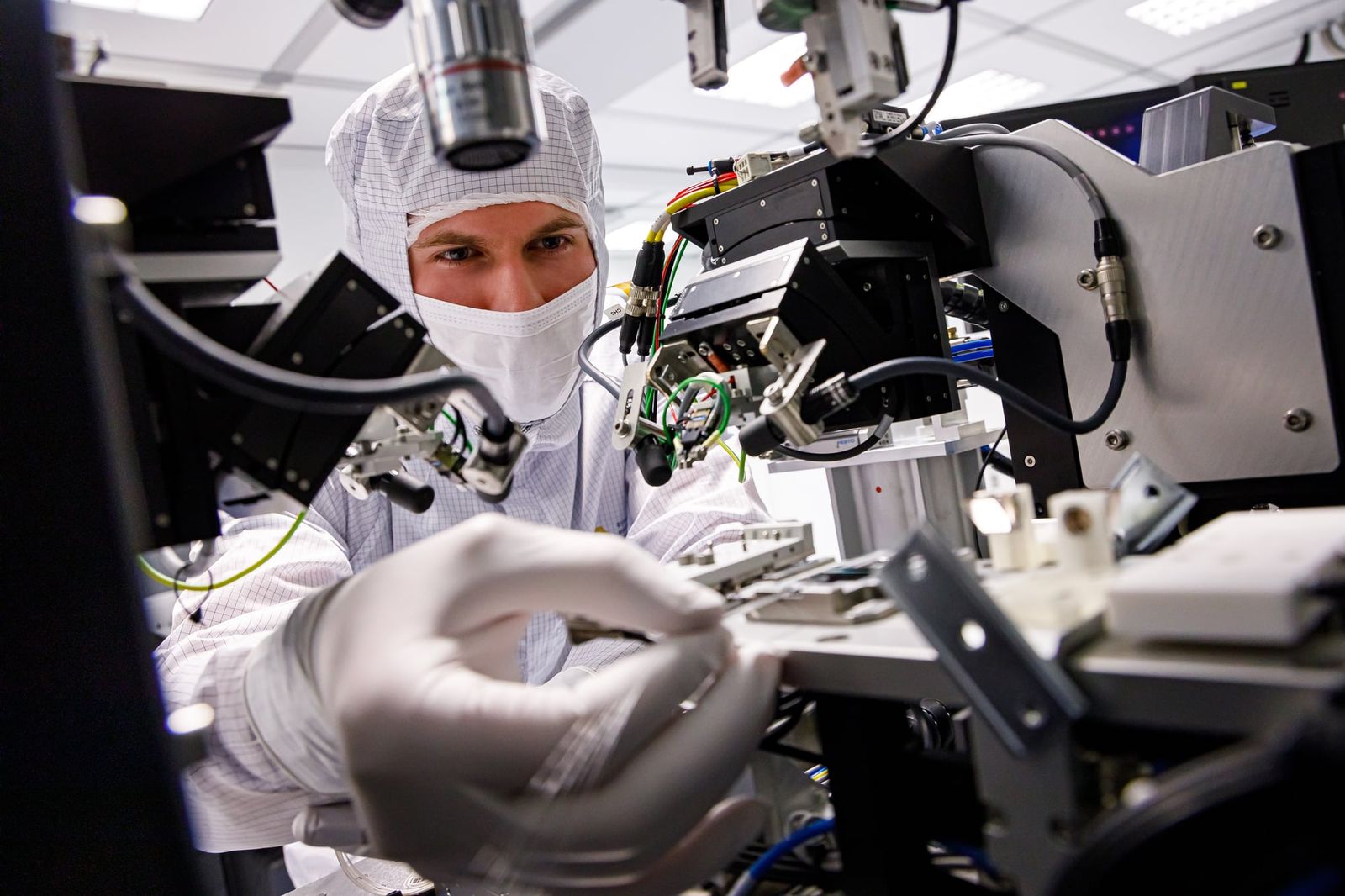
Commercial nuclear power plants operate around an expensive paradox. Every few years, station operators shut down a reactor, unseal the primary vessel, and withdraw metal assemblies designated as spent fuel. To regulators and the public, these fuel rods are classified as high-level radioactive waste, scheduled to be buried in permanent subterranean repositories and left undisturbed for millennia.1 Yet the uranium and other fissionable materials inside those metal tubes are nowhere near exhausted.1
Treating used fuel solely as permanent refuse shapes the economics of low-carbon electricity and dictates the scale of national waste storage programs. Commercial reactors generate steady baseload power without combustion emissions, but the challenge of managing long-lived radioactive waste has slowed nuclear deployment and sparked decades of debate over permanent repositories. If the usable materials sealed inside discarded assemblies can be separated and recycled, civilian nuclear programs could produce vast quantities of electricity from existing stockpiles while reducing the volume of toxic waste requiring deep underground isolation.1
A research program supported by the United States Department of Energy is currently evaluating whether advanced chemical processing and automated modeling can alter that dynamic.1 Through an initiative designated as the Genesis Mission, researchers at the Colorado School of Mines, Pacific Northwest National Laboratory, and Citrine Informatics are collaborating to develop computational tools that evaluate closed fuel cycles, systems that recover reusable materials from discarded fuel rods and reintroduce them into the energy supply.1
Understanding why commercial stations discard energetic fuel requires looking at the physics inside a working reactor core. Fresh nuclear fuel consists of uranium ceramic pellets stacked inside sealed metal tubes called fuel rods. When a stray neutron strikes the nucleus of a fissile uranium atom, that nucleus splits into lighter atomic fragments, releasing thermal energy alongside several energetic neutrons. Those newly created neutrons travel through surrounding water, slow down, and strike adjacent uranium nuclei, generating a self-sustaining chain reaction that produces heat to boil water into steam for electrical turbines.
As power generation continues across years of continuous operation, that steady atomic splitting generates a complex mixture of radioactive byproducts.1 Some of these newly formed elements, known as fission products, possess an intense affinity for neutrons and absorb the very particles required to sustain the nuclear chain reaction. Over time, the concentration of these neutron-absorbing elements increases within the ceramic pellets. Eventually, this parasitic absorption degrades reactor efficiency to the point where the nuclear chain reaction can no longer be maintained economically, forcing plant operators to extract the entire assembly even though the original heavy atoms remain largely unburned.1
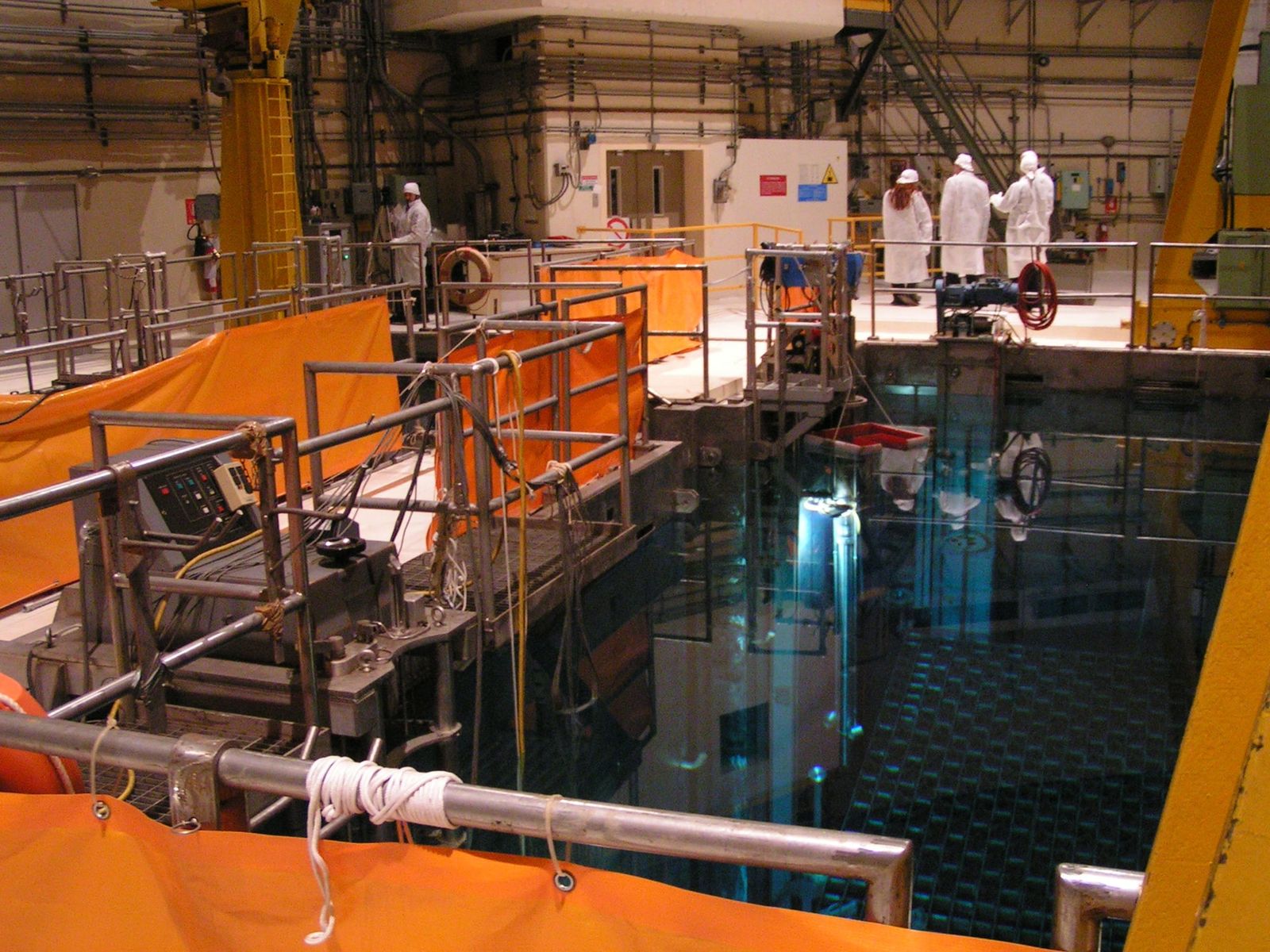
Extracting that remaining energy requires a sequence of chemical and physical transformations designed to separate the unburned fuel from the parasitic poisons.1 After cooling in storage pools, the metal assemblies must be mechanically disassembled and dissolved in chemical solvents. Separation systems then isolate the reusable uranium and plutonium from the unwanted fission fragments and secondary radioactive elements.1 The purified fissile materials must be converted back into solid oxide powders, pressed into new ceramic fuel pellets, and loaded into fresh cladding for reinsertion into reactors, while the non-reusable radioactive waste is chemically bound into durable solid materials that resist environmental breakdown.1
Why do reactors discard fuel that still contains energy?
Commercial nuclear reactors discard fuel assemblies because the accumulation of chemical byproducts chokes reactor efficiency long before the fissile material is consumed.1 According to Pacific Northwest National Laboratory, typical commercial nuclear fuel discharged from operational reactors retains more than 90% of its original energy-producing potential, measured against the total energy contained in the fresh fuel assembly before irradiation.1 Amanda Lines, an expert in nuclear fuel processes and monitoring technologies at Pacific Northwest National Laboratory, reported that commercial power stations pull fuel rods once the physical accumulation of fission byproducts lowers reactor operating efficiency, leaving the majority of the energetic material unconsumed.1
Recovering a substantial portion of that preserved energy potential requires adopting a closed fuel cycle.1 The standard fuel cycle encompasses every operational phase of nuclear material, including uranium mining, chemical enrichment, fuel fabrication, electricity generation in power reactors, and the long-term management of discarded assemblies.1 In a once-through system, fuel passes through a reactor once and is designated as permanent waste.1 By closing that cycle through advanced chemical recycling, potentially reusable heavy elements are chemically extracted from the used fuel assemblies and fabricated into fresh fuel, reducing environmental burdens while maximizing the electricity yielded by mined uranium resources.1
How can computational models help recycle spent rods?
Computational tools help researchers evaluate how chemical separation methods, operating costs, and proliferation safeguards interact across every stage of the nuclear fuel cycle.1 The Department of Energy awarded Phase I funding under its Genesis Mission to support a multi-institutional initiative titled AI-Driven Co-Optimization of Closed Fuel Cycles: Balancing Economics, Security, and Waste.1 Led by the Colorado School of Mines in collaboration with Pacific Northwest National Laboratory and the materials-informatics company Citrine Informatics, the project is developing artificial intelligence tools to evaluate fuel-cycle designs across three competing priorities: financial cost, proliferation security, and total waste generation.1
Designing a viable nuclear recycling framework involves intricate engineering trade-offs that have historically complicated the adoption of closed fuel cycles.1 A chemical extraction process that achieves high recovery rates for fissile material might require specialized chemical reagents that increase operating expenses, or it might generate secondary liquid wastes that prove difficult to solidify safely.1 During the initial phase of the Genesis Mission, participating scientists are constructing a prototype software system to evaluate whether automated analysis can accelerate engineering evaluations, simulate wider operational scenarios, and deliver comprehensive comparative data to policy decision-makers.1
Researchers at Pacific Northwest National Laboratory evaluate these fuel cycles using specialized experimental facilities and atomic-scale material modeling.1 At the Radiochemical Processing Laboratory in Richland, Washington, laboratory researchers manipulate hazardous radioactive elements within heavily shielded containment chambers to study chemical extraction methods and actinide behavior.1 Over more than 60 years of nuclear materials research, laboratory teams have analyzed how nuclear fuels perform under intense neutron radiation, tested extraction chemistries, and engineered durable borosilicate glass waste forms designed to isolate high-level radioactive elements for millennia.1
The computational platforms under development in the Genesis project are early-phase exploratory tools designed for simulation.1 The software models can identify theoretically optimal fuel-cycle configurations on digital hardware, but they cannot verify how complex chemical extraction equipment will endure decades of corrosive radiation in commercial environments. The computer models also rely on baseline assumptions concerning future uranium mining prices, facility construction expenses, and government licensing timelines that could shift significantly over coming decades. Furthermore, Phase I of the project represents an initial feasibility prototype, leaving empirical validation of the automated designs to subsequent testing phases.1
What prevents recycled nuclear fuel from entering widespread use?
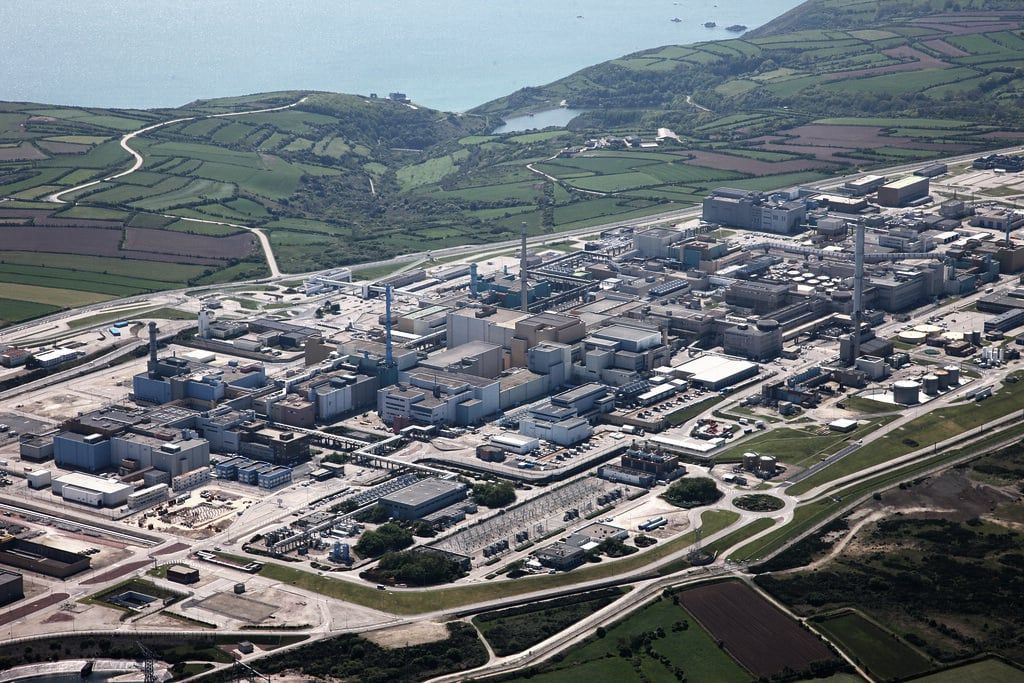
High processing costs and historical nonproliferation policies have deterred commercial utilities from implementing fuel recycling across the United States.1 During the 1970s, the United States federal government established a once-through fuel cycle, suspending commercial spent fuel reprocessing because of concerns that separating weapons-usable plutonium could encourage the international proliferation of nuclear weapons.1 Other industrial nations adopted divergent management strategies: France established one of the largest commercial spent fuel reprocessing facilities in the world at its La Hague site, while Japan has pursued domestic recycling programs to maximize its national energy independence.1
Renewed interest in closing the fuel cycle is closely aligned with the development of next-generation nuclear reactors that operate on alternative coolant technologies and fuel compositions.1 Many advanced reactor concepts employ higher fuel enrichments and different core geometries, allowing them to consume recycled actinide mixtures that standard commercial light-water reactors cannot utilize.1 Beyond electricity production, advanced chemical separation could also isolate valuable radioisotopes for specialized medical therapies, industrial radiography, and long-duration power sources for deep-space exploration missions.1
Public sentiment regarding civilian nuclear power is also adjusting as energy security concerns and rising electricity demands prompt a reconsideration of domestic energy sources.1 According to a 2025 survey conducted by the Pew Research Center, 59% of surveyed adults in the United States stated that they favor expanding commercial nuclear power stations to generate electricity.1 Amanda Lines noted that advancing recycling research provides a scientific foundation for utilizing discarded fuel as a valuable domestic energy resource, establishing operational resilience for the next generation of nuclear energy systems.1
What this rests on
37 sentences trace to 1 source.
-
1
N
Newswise Document · newswise.com New Life for Used Nuclear Fuel See the source