Why keeping probiotics alive in food is not enough to keep them working
Surviving manufacturing and stomach acid does not guarantee bacteria will deliver health benefits, according to a systematic review outlining how food design protects microbial function.
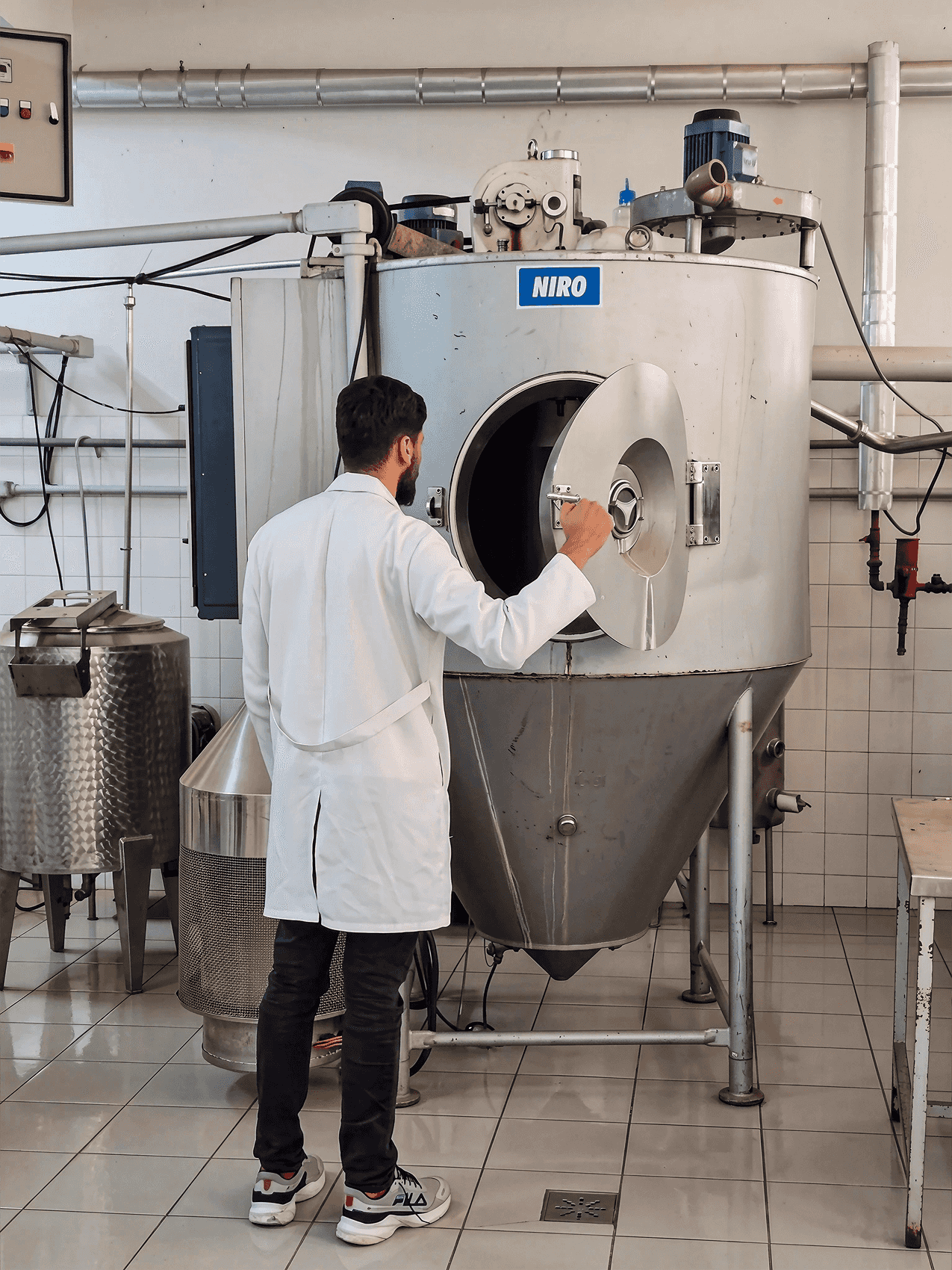
When consumers buy functional foods containing live probiotic cultures, they generally assume that a high count of surviving bacteria guarantees a physiological benefit. In digestive biology and industrial food processing, however, surviving the journey from the factory floor to the human intestine is only the first hurdle. A bacterial cell can endure manufacturing and shelf storage while losing the specific metabolic pathways, surface adhesion proteins, and active enzymes that allow it to interact beneficially with the human host.
This persistent gap between cellular survival and therapeutic activity complicates the formulation of everyday functional foods. Beneficial microbes must endure severe mechanical and thermal shear during processing, maintain membrane stability over months of commercial storage, resist the destructive bath of gastric acid and bile salts, and resume active metabolism in the lower gut. On August 20, 2026, lead author Sidney Rodrigues de Jesus Silva and colleagues published a systematic review in the Journal of Food Science presenting an integrated framework that links strain selection, food matrix chemistry, protective encapsulation, and bioengineering to preserve both cell numbers and active function.1
Why do surviving bacteria lose their beneficial effects?
Bacterial viability measures whether a cell is alive and capable of dividing, whereas functionality refers to whether that cell can still perform specific tasks such as producing metabolites or interacting with the host immune system.1 Standard laboratory quality control relies on colony-forming unit assays, which count how many bacterial cells multiply into visible colonies on nutrient agar plates. Co-author Evandro Martins, a food scientist who contributed to the review, told Primary that these laboratory metrics provide an incomplete picture of real-world performance.
Martins said in response to questions from Primary that standard plate counts merely reflect microbial growth under an optimized, stress-free setting.contributed Throughout production, storage, and digestion, bacteria encounter multiple combined stress factors that can cause direct cell death or induce a state of metabolic stress, known as the viable but non-culturable state. Under these adaptive conditions, cells prioritize redirecting their metabolic pathways toward self-preservation and maintaining homeostasis. When that reallocation occurs, bacteria may survive physical transit yet fail to synthesize targeted metabolites or bind properly to the intestinal lining.
For a probiotic to provide a health benefit, a chain of events must occur without interruption. Food manufacturers must first cultivate a resilient bacterial strain and blend it into a carrier matrix without rupturing its cellular envelope. That microbe must then withstand ambient moisture, oxygen, and temperature swings during distribution and storage. Once ingested, the bacterium must endure the chemical barriers of stomach acid and bile salts. Finally, the cell must reach the lower intestine, recover from transit-induced damage, and resume active metabolic function. If any single link in this chain breaks, the functional benefit fails even if living cells are detected in laboratory cultures.

How do different foods protect or expose microbes?
Dairy products offer natural physical and chemical buffers that shield bacteria, whereas plant-based and solid foods create harsher environments that require active protection. Milk, yogurt, and cheese contain milk fats, caseins, and buffering minerals that physically coat bacterial cells and neutralize acidic conditions during digestion.1 In these traditional dairy carriers, the physicochemical architecture of the food itself acts as an initial protective vehicle.
Non-dairy food systems present a very different chemical environment for added microbes. When food producers introduce probiotics into fruit juices, cereals, processed meat, or chocolate, the bacteria confront low pH, plant-derived antimicrobial polyphenols, low water activity, and elevated thermal processing. Silva and the co-authors reported that because these non-dairy matrices lack the natural buffering capacity of dairy fats and proteins, they require complementary formulation strategies and protective coatings to keep bacterial populations viable and functional throughout commercial shelf life.1
Monitoring how these bacteria hold up requires examining both storage shelf life and digestive resistance. Martins told Primary that viable cell counts monitored during storage and simulated in vitro digestion remain the primary screening criterion for application potential in plant-based matrices. Microencapsulation serves as an effective defense against environmental and digestive stresses, though Martins cautioned that the structure of the capsule must enable site-specific release in the intestinal tract so cells are not simply excreted intact without performing their biological function.
What protective technologies shield probiotics?
Microencapsulation isolates bacterial cells within microscopic physical shells that protect them from environmental stress and release them in the intestine. Food scientists apply several distinct manufacturing methods to build these protective capsules, including spray drying, extrusion, emulsification, and electrospraying.1 Each method surrounds bacterial clusters with polymers that resist oxygen during storage and prevent stomach acid from destroying the payload before it reaches target digestive sites.
Industrial feasibility dictates the choice of encapsulation technology. Martins told Primary that spray drying remains one of the most viable options for large-scale capsule production because it generates stable powders that facilitate transport, storage, and blending into dry foods. Alternative techniques like electrospraying offer low-temperature processing but face severe limitations in throughput. Martins noted that spray drying must be avoided when handling larger cells susceptible to shear forces at the atomizer nozzle, or when dealing with strains sensitive to oxygen, because oxidative stress during atomization can prove more damaging to lactic acid bacteria than thermal exposure.
Formulations can also combine physical coatings with functional nutrition to create synbiotic systems, which pair live probiotics with prebiotics, the non-digestible dietary fibers that feed beneficial bacteria. Co-encapsulating bacteria alongside their preferred prebiotic nutrients gives the microbes immediate metabolic fuel. Silva and colleagues noted that this pairing produces synergistic effects, reinforcing cell survival during manufacturing while simultaneously supporting bacterial growth and functional activity after release in the gut.1
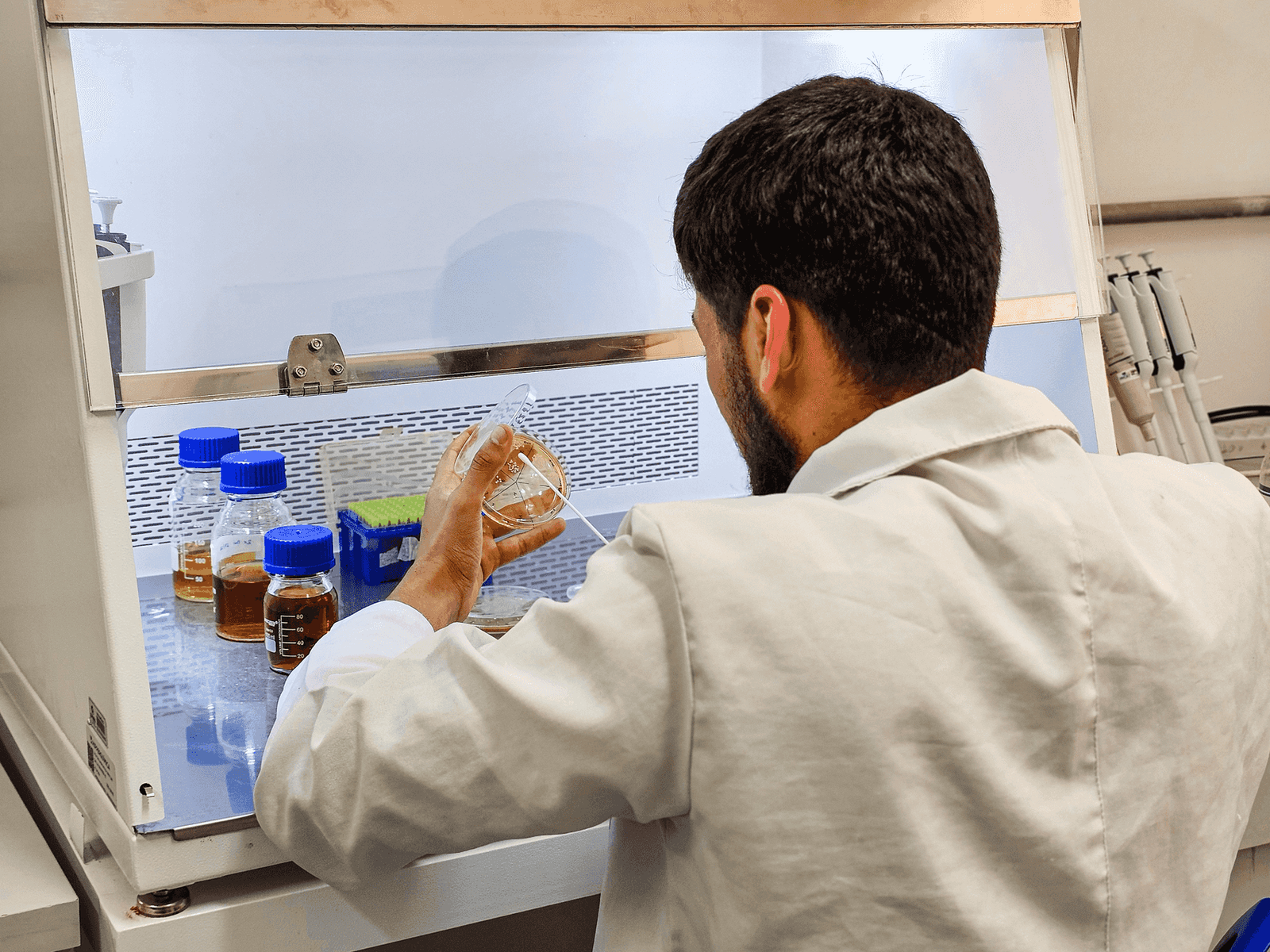
This nutritional synergy gives introduced microbes a competitive edge upon intestinal arrival. Martins explained to Primary that an ingested probiotic arrives in a densely populated gut ecosystem in a compromised state, needing to repair structural damage while competing with the resident microbiota for resources. Prebiotics act as selective substrates that are not freely metabolized by all gut microbes, reducing interspecific competition and accelerating the functional recovery and colonization of the probiotic strain.
How could genetic engineering change probiotic foods?
Advances in genetic engineering allow researchers to modify the microbial genome directly to enhance stress tolerance and metabolic output. Using targeted tools such as CRISPR-based genome editing, scientists can design next-generation probiotic strains that tolerate elevated heat during processing, resist high acid concentrations, or express specific therapeutic metabolites.1 These targeted genetic modifications aim to create robust strains capable of surviving in non-dairy food matrices that would otherwise overwhelm natural cultures.
Borrowing survival mechanisms from resilient organisms provides a potential pathway for bioengineering. Martins told Primary that foodborne pathogens possess highly efficient stress-response mechanisms to navigate the digestive tract, and transferring these genetic resistance determinants to safe probiotic strains could bolster cellular robustness. Martins emphasized that this approach requires comprehensive biosecurity risk analysis, because modifying integrated metabolic networks can trigger unexpected physiological disruptions in the host bacterium.
The review emphasizes that laboratory models carry clear practical limits. A framework synthesizing published experimental methods cannot guarantee how a specific formulation will perform across large industrial processing lines. Genetic modifications using CRISPR also face significant regulatory hurdles and varying global standards for genetically modified organisms in consumer food supplies.1 Furthermore, demonstrating that an encapsulated or engineered bacterium survives simulated digestion in laboratory glassware is not identical to demonstrating clinical efficacy in human trials.
Future development in the functional food sector will depend on tailored integration rather than relying on any single protective step. Silva and colleagues concluded that successful probiotic delivery requires manufacturers to match specific strains and sublethal adaptation techniques with appropriate carrier foods, encapsulation materials, and targeted bioengineering.1 Martins told Primary that future screening must also incorporate whole-genome sequencing to identify potential virulence or resistance genes, alongside human clinical trials that validate true therapeutic efficacy in vivo.
This piece was prepared from the paper in the Journal of Food Science and public records together with answers from Evandro Martins to six questions from the Primary news team, completed August 2026.
What this rests on
10 sentences trace to 1 source and 1 contributor.
-
1
SR
Sidney Rodrigues de Jesus Silva, Ramila Cristiane Rodrigues, Rosângela Freitas, Paulo César Stringheta, Pedro Henrique Campelo, Evandro Martins Official record · pubmed.ncbi.nlm.nih.gov · 20 Aug 2026 Enhancing Probiotic Performance in Food Matrices: From Strain Selection to Bioengineering See the source
- 2 Contribution — Evandro Martins 7 statements added to this article
Article history
-
6 statements 28 Aug 2026, 14:25What was added
Silva and colleagues concluded that successful probiotic delivery requires manufacturers to match specific strains and sublethal adaptation techniques with appropriate carrier foods, encapsulation materials, and targeted bioengineering.
On the record as reference 2What was addedUsing targeted tools such as CRISPR-based genome editing, scientists can design next-generation probiotic strains that tolerate elevated heat during processing, resist high acid concentrations, or express specific therapeutic metabolites.
On the record as reference 2What was addedSilva and colleagues noted that this pairing produces synergistic effects, reinforcing cell survival during manufacturing while simultaneously supporting bacterial growth and functional activity after release in the gut.
On the record as reference 2What was addedFood scientists apply several distinct manufacturing methods to build these protective capsules, including spray drying, extrusion, emulsification, and electrospraying.
On the record as reference 2What was addedSilva and the co-authors reported that because these non-dairy matrices lack the natural buffering capacity of dairy fats and proteins, they require complementary formulation strategies and protective coatings to keep bacterial populations viable and functional throughout commercial shelf life.
On the record as reference 2What was addedBacterial viability measures whether a cell is alive and capable of dividing, whereas functionality refers to whether that cell can still perform specific tasks such as producing metabolites or interacting with the host immune system.
On the record as reference 2EM Evandro Martins · Contributor A food scientist who contributed to the review. -
Published 22 Sep 2026, 13:19Assembled by the Primary desk from 1 source · 1 contributor · 10 cited sentences