Genetic testing in Bolivia reveals a new living tiger cat species
Hidden evolutionary lineages can persist unseen among small carnivores, expanding the known feline family tree for the first time in a century.
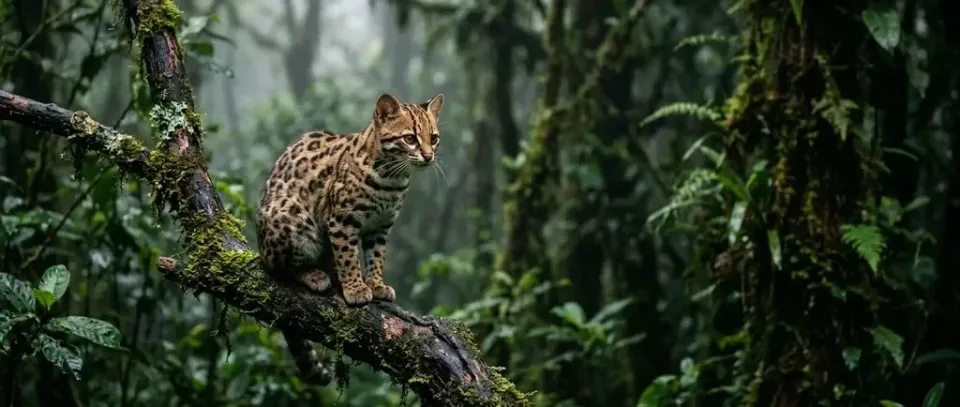
For more than a century, natural history collections gave the impression that the global catalog of wild cat species was essentially complete. Felids are among the most thoroughly studied mammals on Earth, observed by generations of field naturalists who tracked their hunting behaviours, measured museum specimens, and classified their distinct physical features. Yet wild carnivores can share virtually indistinguishable coats and skeletal forms while quietly following separate evolutionary trajectories. When two populations diverge without changing their visible hunting adaptations, their true biological differences remain invisible to the naked eye.
Uncovering those hidden divisions is essential for understanding how mammalian diversity develops across complex tropical environments. When an unrecognised lineage is grouped with widespread relatives, its conservation requirements stay obscured, preventing wildlife managers from assessing whether local populations face extinction. Before molecular tools became routine, identifying a separate mammalian line required spotting obvious differences in tooth structure, skull curvature, or fur coloration. In many small forest hunters, those physical characteristics remain unchanged across millions of years because natural selection preserves the same stealthy body plan for stalking prey.
An announcement released on September 24, 2026, reported that genetic testing of two tiny tiger cats from Bolivia revealed a new living cat species, marking the first such feline species description in 100 years.1 The finding expands the known feline family tree by identifying a branch that split from its close relatives while retaining a nearly identical appearance.1 By examining the chemical building blocks within cell nuclei, scientists can now bypass the limits of visual anatomy to uncover lineages that diverged in prehistoric isolation.
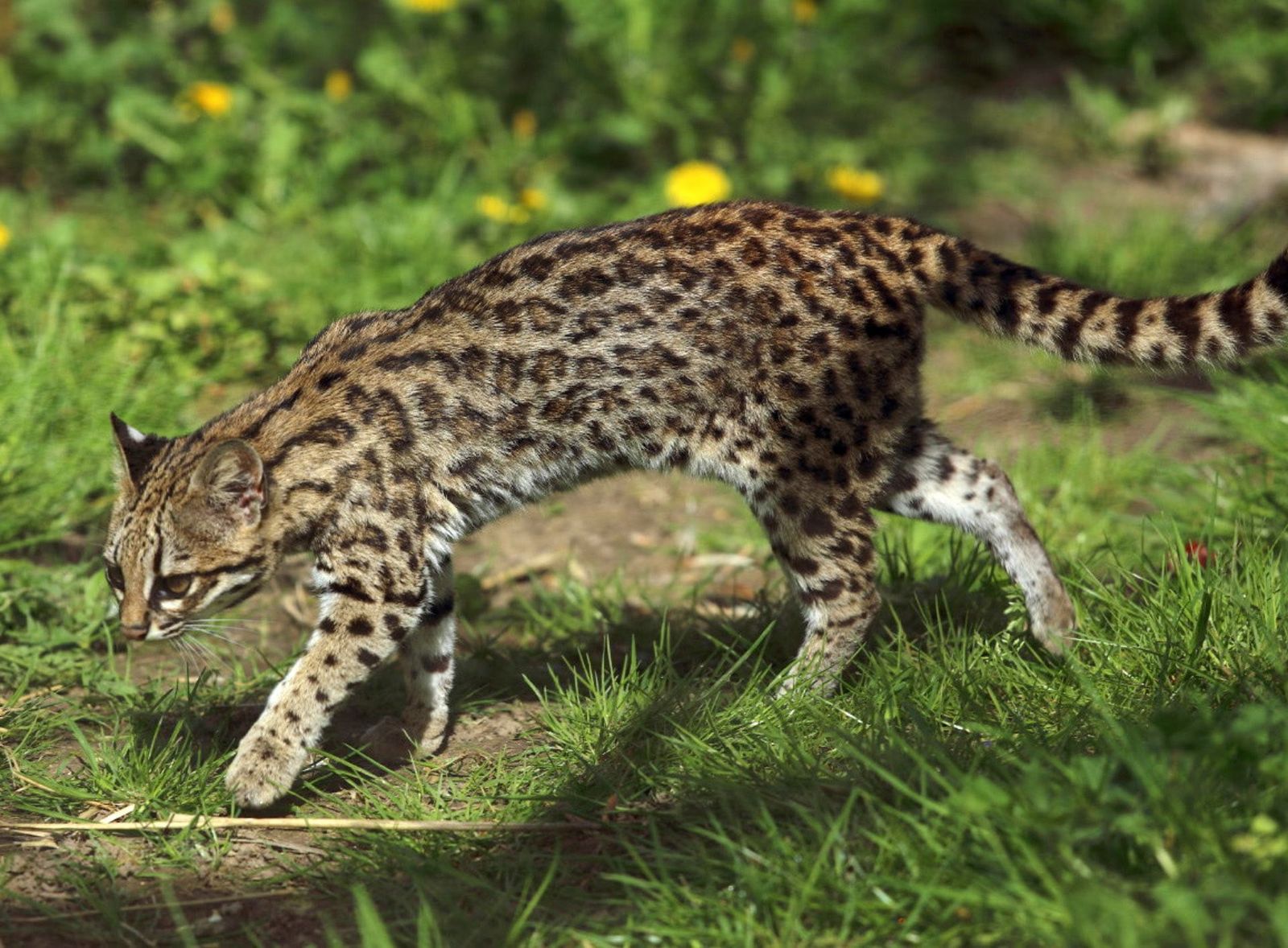
Why do distinct cat species remain hidden for a century?
Mammals often maintain nearly identical coats and skull structures that conceal deep evolutionary divergences from standard physical observation. For a single ancestral feline group to divide into separate species, an environmental barrier such as a river, mountain ridge, or dense forest corridor must physically isolate two groups across many generations. Once physical contact stops, the two populations no longer exchange genetic material. Small random copying variations quietly accumulate in the genetic code of each group over hundreds of thousands of years. Even when environmental conditions favor the exact same spotted camouflage and small body size, the underlying genomes drift apart until the two groups can no longer produce fertile offspring together.
Early zoologists working in South America relied almost entirely on pelt patterns and bone measurements to distinguish wild felines. Small, spotted predators roaming dense tropical canopies often encounter similar ecological demands, meaning natural selection weeded out mutations that altered their successful physical design. As a consequence, animals that looked identical in museum drawers actually belonged to distinct reproductive communities. Without modern molecular instruments, naturalists had no way to distinguish a uniform species from a cluster of separate lineages sharing an ancestral disguise.
How does genetic sequencing reveal a separate evolutionary branch?
Genetic testing identifies independent species by measuring accumulated molecular mutations that show two populations stopped exchanging DNA long ago. The technique of genetic sequencing, which reads the exact chemical order of nucleotides in an organism's genome, allows biologists to quantify how closely related two animals are. When researchers extract DNA from tissue or hair samples, automated sequencers compare thousands of shared genomic markers against known feline reference sequences. If the rate of unique base substitutions exceeds the natural variation expected within a single interbreeding population, the lineage qualifies as an independent branch on the evolutionary tree.

In this analysis, testing conducted on the two Bolivian tiger cats demonstrated clear genetic divergence from previously cataloged tiger cat groups.1 The announcement reported that the laboratory results added an entirely new branch to the feline family tree, showing that molecular data can resolve taxonomic ambiguities that traditional field biology could not detect.1 The classification rests on direct chemical evidence of long-standing reproductive isolation instead of external traits.
What questions remain about the newly identified feline?
A taxonomic classification based on two individual animals cannot determine the geographic boundaries or total population size of the wild group.1 The announcement describes a molecular discovery and does not provide an ecological profile of the living species. Testing two Bolivian tiger cats confirms that an independent genetic branch exists, but it cannot tell researchers how many of these animals survive in the wild.1 Laboratory sequencing also cannot establish the precise geographic range of the species, what specific prey it hunts, or whether its habitat is shrinking under pressure from deforestation. Further field research will be needed to locate living populations in their natural habitat and assess their conservation status.
The broader implications of this classification extend directly to conservation management across South America. If the newly identified tiger cat occupies only a small geographic pocket or relies on fragile forest fragments, its survival could be in immediate peril without anyone having realised it. Wildlife protection laws and reserve boundaries rely on accurate species designations to allocate resources and protect critical ecosystems. Discovering a new mammalian branch after a century of assumption demonstrates that biodiversity catalogs remain unfinished, even among the planet's most familiar carnivore families.1
What this rests on
7 sentences trace to 1 source.
-
1
MR
Meghan Rosen Document · sciencenews.org · 24 Sep 2026 Meet the newest living cat species, the first described in 100 years See the source