Marine heatwaves accelerate coastal seabed chemistry without killing burrowing animals
Short thermal spikes in coastal waters speed up sediment respiration and nutrient release even when seafloor creatures survive the heat, altering foundational marine biogeochemical cycles.
Beneath the surface of coastal bays, vast stretches of dark mud and soft silt form the floor of the sea.1 These muddy soft sediments teem with clams, worms, and tiny crustaceans that spend their lives burrowing through the sediment matrix.1 When ocean temperatures spike during intense marine heatwaves, an observer might expect to find widespread casualties or empty mudflats.1 Yet in the coastal waters of the Baltic Sea, one of the fastest warming marine bodies on Earth, these bottom-dwelling animals frequently endure the heat without dying off.2 The primary consequence of rising temperatures is not sudden mortality, but an invisible acceleration in the chemical work that the surviving animals and their microbial partners perform inside the mud.
Soft-sediment habitats cover more surface area than any other aquatic ecosystem in the world.1 The creatures inhabiting them serve as a living chemical filter, driving what marine scientists call benthic-pelagic coupling, the exchange of mass and energy between the seabed and the overlying water column.1 In enclosed, brackish basins that struggle with chronic nutrient overloads and seasonal oxygen depletion, any disruption to the rate at which sediments absorb oxygen or discharge dissolved nutrients can rapidly alter water quality and fuel harmful algal growth across entire coastal zones.
A long-term assessment and experimental program led by Norman Göbeler at the University of Helsinki, working alongside Laura Kauppi and colleagues, shows that acute marine heatwaves alter sediment ecosystem functioning even when the animal community structure remains largely unchanged.21 By analyzing over nine decades of coastal temperature records alongside laboratory and field heating experiments, the researchers found that strong heatwaves provoke substantial increases in sediment oxygen demand and accelerate the biogeochemical cycling of nutrients across multiple seasons and depths.
How do mud-dwelling creatures control coastal ocean chemistry?
Benthic animals regulate seabed chemistry by physically excavating tunnels and ventilating their burrows with oxygen-rich water from above.1 This combined locomotion, particle displacement, and irrigation activity is termed bioturbation.1 When a bivalve draws water into the mud or a segmented worm pushes through dense sediment grains, it introduces dissolved oxygen into chemical zones that would otherwise remain dark and anoxic.1 The movement mixes organic detritus deeper into the seabed, where communities of specialized bacteria decompose the material.1
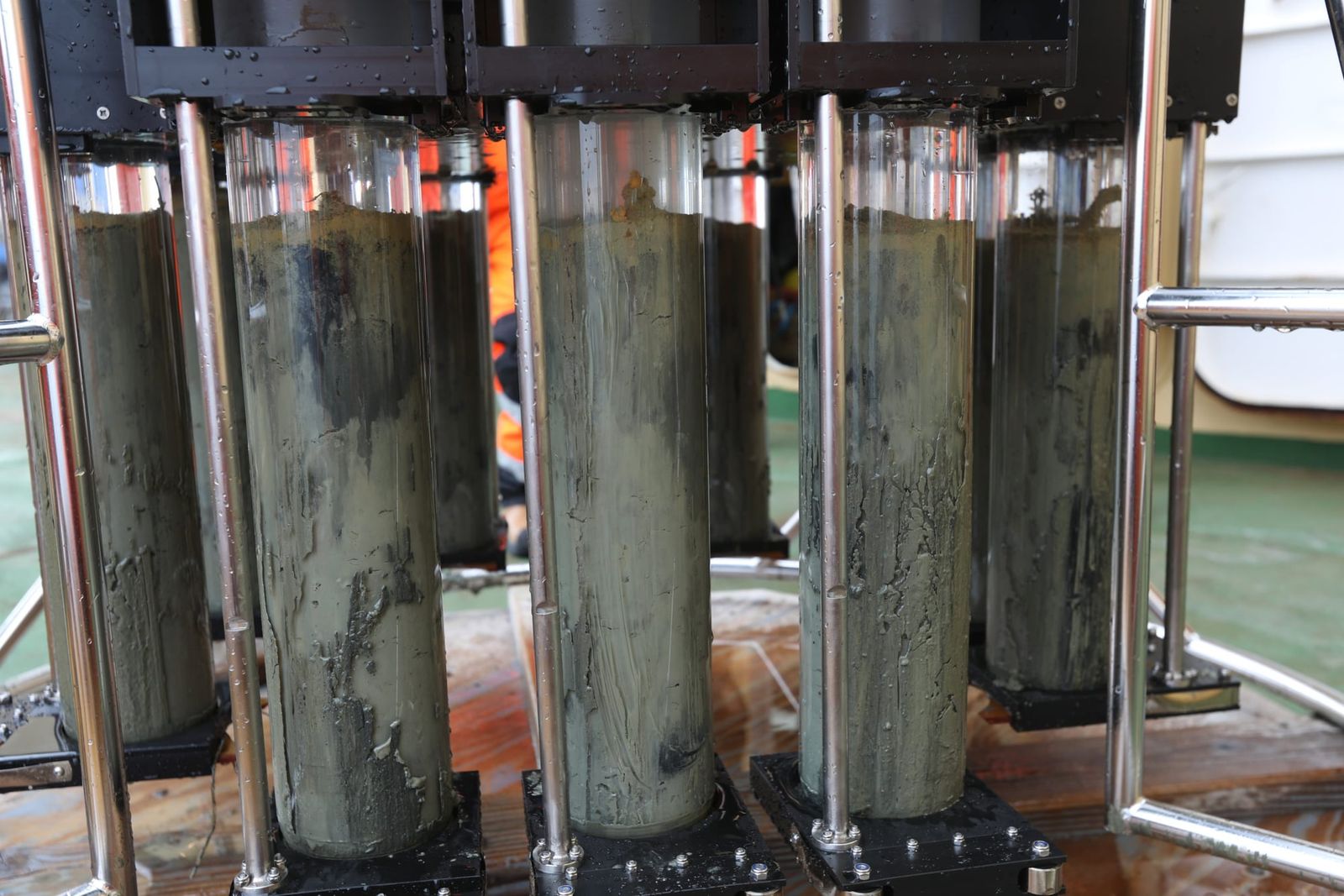
That microbial breakdown converts locked organic nitrogen and phosphorus into dissolved mineral forms, such as ammonium and phosphate, which escape across the sediment-water boundary back into the sea.1 Temperature directly influences every biological stage of this pathway. Warm water speeds up macrofaunal and microbial metabolism, increasing the rate at which organisms consume oxygen and respire.1 In response to heat stress, burrowing animals alter their physical habits, moving deeper into sediment layers to seek thermal refuge, modifying their feeding behavior, or pumping water more actively to meet rising respiratory demands.21
What happens when heat pulses hit the seabed?
Acute marine heat pulses sharply elevate sediment oxygen consumption and stimulate the outflow of dissolved nutrients across almost every season.21 Norman Göbeler tested sediment communities gathered across winter, spring, summer, and autumn, subjecting them to season-specific heatwave simulations.2 While the overall species composition remained intact, community respiration increased substantially during heatwaves, and nutrient fluxes between the sediment and overlying water rose markedly across both shallow and deeper soft-sediment environments.2
The experiments also revealed subtle behavioral adjustments and demographic signals within the mud. Heatwaves caused burrowing creatures to alter their activities when absolute temperatures climbed to extreme thresholds, prompting animals to dig deeper or focus their energy on maintaining their burrow structures.2 The data also indicated shifts toward smaller individual body sizes during heatwave conditions.2 In a related laboratory study published in Frontiers in Marine Science, Laura Kauppi, Norman Göbeler, Joanna Norkko, Alf Norkko, Alicia Romero-Ramirez, and Guillaume Bernard demonstrated that repeated short-term heatwaves altered sediment particle mixing and bioirrigation, intensifying the degradation of organic matter and accelerating solute release.1
How did researchers measure heat beneath the surface?
Researchers detected coastal heat dynamics by joining an archival time series spanning more than 90 years with continuous high-frequency digital monitoring.2 Norman Göbeler evaluated temperature measurements collected every 10 days since 1926 and 1927 in coastal waters off southern Finland, pairing those records with automated sensor data recorded every 30 minutes from 2016 onward.2 The archival measurements covered both surface waters down to two meters and sub-surface waters at depths of approximately 30 meters.2
The long-term record established that mean annual coastal water temperatures in the study area near the Gulf of Finland have climbed by approximately 2 degrees Celsius since the 1920s, with a steady, nearly linear rise taking place since the late 1980s.1 A warming baseline has caused almost every single day of the year in the reference period from 1991 to 2020 to be about 1 degree Celsius warmer than the identical day between 1931 and 1960 or between 1961 and 1990.2 The automated instruments recorded 18 separate marine heatwaves across seasons during four years of intensive sub-surface logging.2 Between 2010 and 2020, surface warm extremes peaked most frequently in September, whereas sub-surface extremes at 30 meters depth occurred most often in December.2
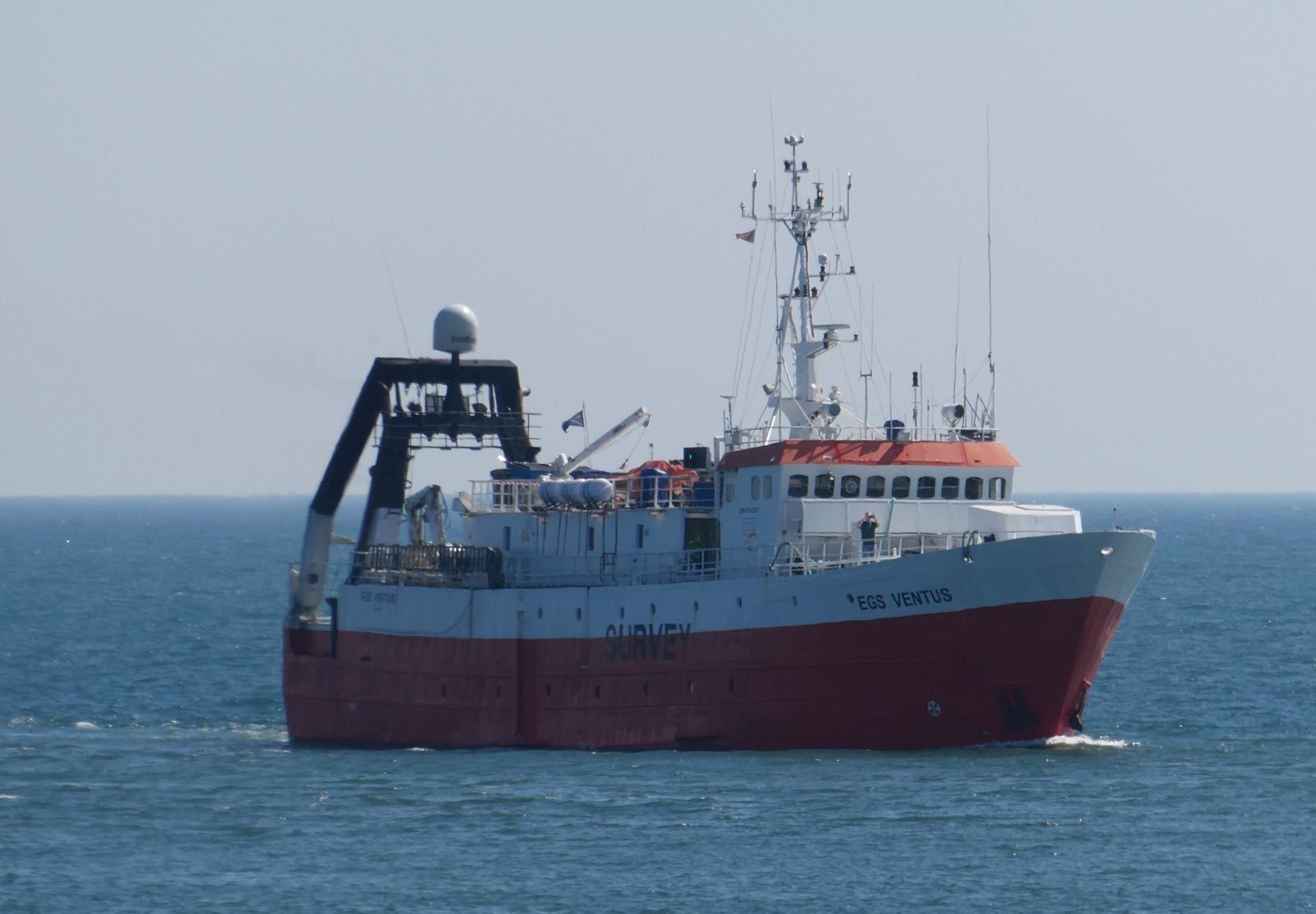
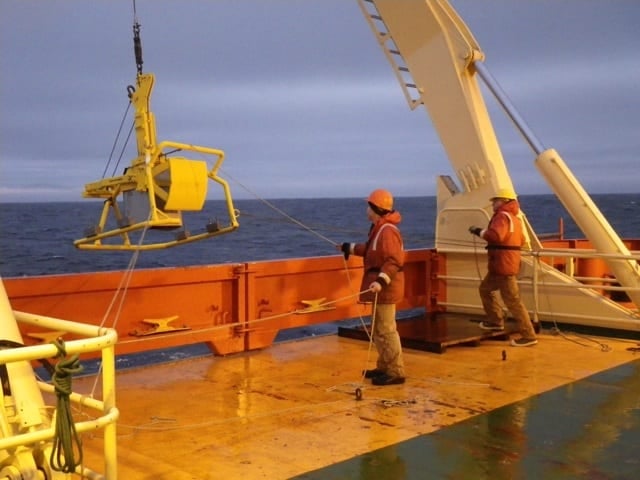
To test these findings under controlled physical conditions, Laura Kauppi and colleagues retrieved 12 intact sediment boxes using a box corer deployed from the research vessel R/V Augusta at a 30-meter deep site near Byxholmen in October 2020.1 The researchers placed the sediment units into water baths at Tvärminne Zoological Station, maintaining control boxes at the climatological baseline of 8.7 degrees Celsius while exposing experimental units to one or two strong simulated heatwaves reaching up to 6 degrees Celsius above normal.1 Using fluorescent luminophore sediment particle tracers photographed under ultraviolet light, the team quantified how animal particle displacement changed during and after each heat pulse.1 In parallel, Norman Göbeler engineered an experimental heating apparatus capable of generating controlled heatwave conditions directly on the natural seabed.2
Why do sublethal thermal shifts matter for the wider sea?
Sublethal shifts in animal behavior matter because small changes in burrowing activity by a few dominant species dictate the chemical balance of the entire coastal floor.1 In the northern Baltic Sea, low overall species diversity concentrates vital ecosystem functions into a small group of abundant organisms: the Baltic clam Macoma balthica, the amphipod Monoporeia affinis, and invasive polychaete worms of the genus Marenzelleria.1 Earlier studies established that a single polychaete species, Marenzelleria arctia, can account for up to 52 percent of the variation in ammonium fluxes across muddy coastal sediments, while benthic animals as a group account for roughly 25 percent of solute flux variation in shallow waters.1
These experimental simulations have clear boundaries and cannot forecast every ecological consequence across open coastal waters.21 Laboratory box containers and localized heating frames isolate sediment blocks from the broader hydrodynamic currents, wave mixing, and mobile predator migrations that shape the natural Baltic Sea.2 The research focused on soft-sediment communities adapted to brackish northern European coastal conditions, meaning the specific metabolic and behavioral rates observed cannot be applied directly to marine systems with higher species richness or different thermal histories.1 Furthermore, the short-term pulses tested in these experiments cannot determine whether benthic animals will gradually acclimatize to recurring thermal anomalies over multiple generations.1
Even without widespread animal mortality, accelerated solute release poses a serious challenge for coastal management. As climate change pushes marine heatwaves deeper into coastal waters and extends them into the autumn and winter months, elevated nutrient venting from the seabed could counteract decades of international efforts to reduce coastal eutrophication. Understanding how extreme temperatures reshape sub-surface sediment functioning will require sustained, high-resolution underwater monitoring alongside targeted experiments that track both animal behavior and chemical flux in natural seafloor environments.
What this rests on
37 sentences trace to 2 sources.
-
1
F
Frontiers Third-party reporting · frontiersin.org · 16 Jan 2023 Frontiers | Changes in macrofauna bioturbation during repeated heatwaves mediate changes in biogeochemical cycling of nutrients See the source
-
2
UO
University of Helsinki Document · hdl.handle.net The role of marine heatwaves for biodiversity and ecosystem functioning in coastal waters: Merilämpöaaltojen vaikutus biodiversiteettiin ja ekosysteemin toimintaan rannikkovesissä See the source