Gut microbes linked to brain health reflect only narrow populations
Most microbiome and mental health discoveries come from wealthy cities, potentially obscuring biological mechanisms that protect the brain in diverse global environments.
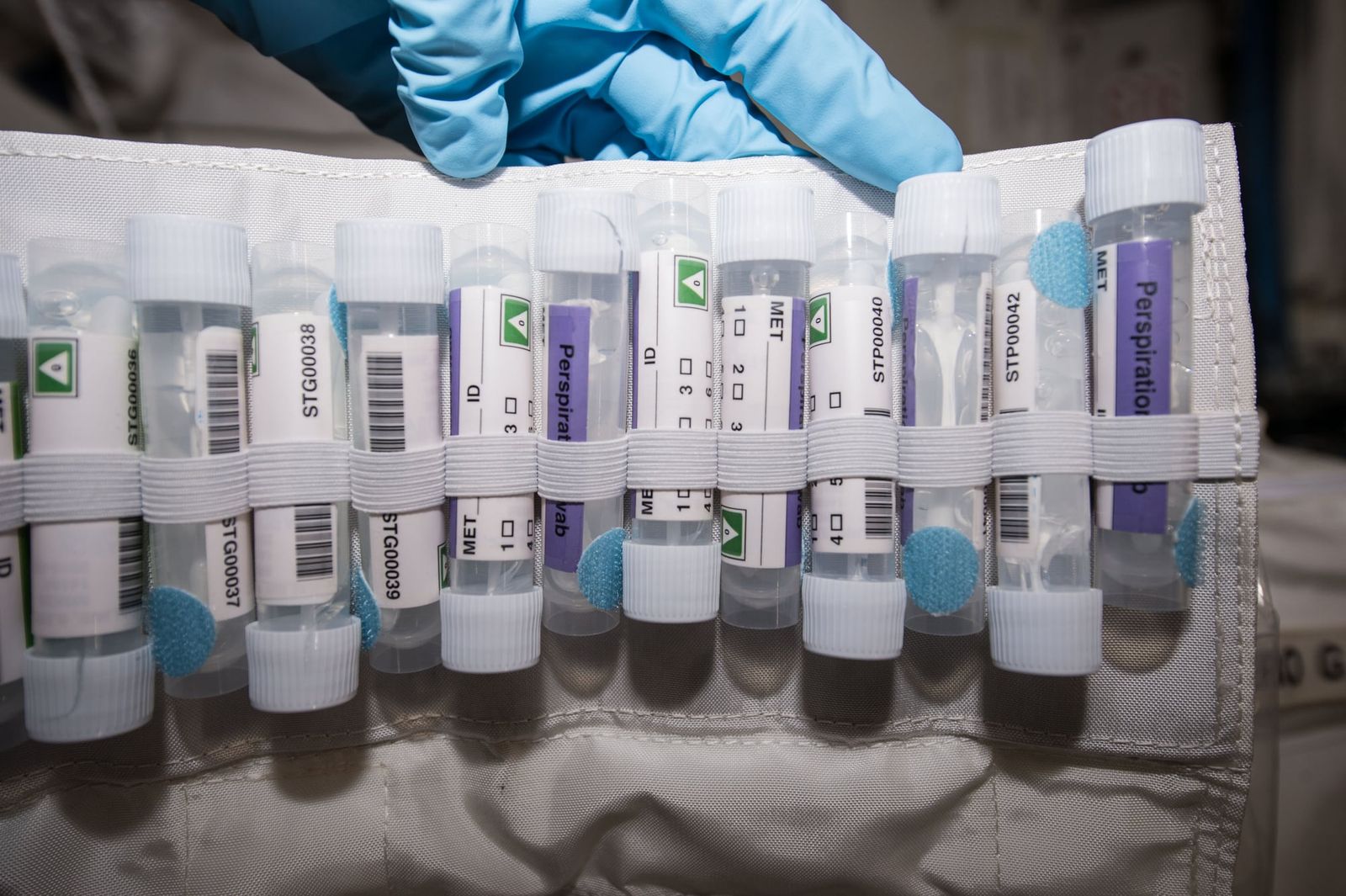
Across the human digestive tract, trillions of microorganisms produce chemicals that continuously interact with the central nervous system, influencing stress responses, mood regulation, and cognitive development.12 This biological partnership between gut bacteria and neural function has altered how medical researchers examine conditions such as depression and anxiety over the past two decades.12 Yet the human populations whose digestive tracts provided the foundation for these scientific insights represent an extraordinarily narrow cross section of humanity.
The vast majority of research into the human gut microbiome has taken place within wealthy, highly industrialized, and urbanized societies.123 Because microbial communities respond directly to environmental exposures, regional cuisines, pollution levels, and socioeconomic patterns, discoveries made in a handful of high-income nations may not reflect how intestinal bacteria interact with the brain in other settings.12
A perspective published on July 20, 2026, in the journal Nature Mental Health argues that this geographic imbalance restricts scientific discovery and distorts the fundamental biology of mental health.13 Led by Benjamin Valderrama, a Chilean bioinformatician at University College Cork, and John F. Cryan, a neuroscientist at the same institution, an international group of researchers contend that expanding investigations into Latin America, Africa, and Asia represents a scientific necessity for discovering universal biological principles.12
Understanding the gut-brain connection requires following a multi-step physiological sequence. Food entering the digestive tract undergoes fermentation by resident bacteria, which break down dietary fibers and other nutrients into chemical byproducts, including short-chain fatty acids and neuroactive metabolites. These microbial compounds interact with intestinal cells to influence the release of immune signaling proteins, activate metabolic pathways, and stimulate endocrine hormones.12 The resulting chemical signals travel to the brain through the bloodstream and across neural networks like the vagus nerve, modulating brain inflammation, stress reactivity, and emotional processing.12 When external factors alter the composition of those intestinal microbes, the entire chemical conversation between gut and brain changes.
Why does geography alter the biology of the gut?
Environmental conditions, cultural traditions, and local dietary patterns determine which bacterial species thrive inside the human intestine.13 In wealthy industrialized nations, modern lifestyles frequently feature heavily processed foods, lower dietary fiber, widespread exposure to antimicrobial agents, and high degrees of physical sanitation. These conditions encourage specific bacterial profiles that may not exist in communities where daily life remains closely connected to regional agriculture and traditional culinary practices.
Diets rich in diverse plant fibers, fermented preparations, and minimally processed ingredients remain common across many rural and urban areas in Africa, Asia, and Latin America.12 These dietary habits provide distinct substrates for intestinal fermentation, potentially fostering bacterial communities that generate unique protective metabolites for the nervous system. The authors note that treating the bacterial communities of industrialized urban residents as a universal human baseline risks overlooking protective biological mechanisms that have developed in populations with different lifestyles.13
The perspective emphasizes that variations in microbial composition across different regions should not be dismissed as meaningless biological noise.21 Instead, those regional variations may explain why rates and manifestations of mental health conditions vary between populations around the world.12 By examining communities outside high-income urban centers, researchers could discover entirely uncharacterized metabolic pathways through which microbes influence human neurology.

What makes diverse populations scientifically essential?
Studying communities across low- and middle-income nations exposes researchers to environmental transitions and economic gradients that cannot be simulated within a laboratory.13 In many regions of the Global South, rapid urbanization and shifting food systems take place across relatively small geographic areas, creating sharp contrasts in living conditions among people sharing similar genetic backgrounds.12 The authors describe these rapid societal changes as natural experiments that reveal how shifts in diet, sanitation, and environment alter both the microbiome and brain health.13
Laboratory animal models and homogenous urban participant pools cannot recreate the complex environmental pressures found in these rapidly transitioning regions. When people move from traditional agrarian routines into dense urban centers within low- and middle-income countries, their microbial ecosystems change alongside their psychological stressors. Examining these transitions directly allows scientists to separate the influence of diet and environment from underlying biological processes, clarifying which microbial changes drive neurological vulnerability and which promote resilience.
Expanding the geographical scope of research also challenges traditional assumptions that therapeutic innovations must originate solely within high-income laboratories. Traditional food systems and lifestyle factors in underrepresented regions may provide the blueprint for future microbiome-based dietary therapies and public health interventions designed to support mental health globally.23 The authors argue that low- and middle-income countries should be recognized as vital sources of scientific discovery rather than merely places where public health burdens accumulate.23
What does the perspective leave unanswered?
The analysis published in Nature Mental Health is an academic commentary rather than an empirical laboratory experiment or clinical trial, meaning it provides no original measurements of microbial strains, patient symptom scores, or biological samples.213 The publication synthesizes existing literature and conceptual arguments to identify systemic gaps in scientific priorities across the research community. While the paper outlines why global diversity is necessary, it cannot independently confirm which specific bacterial strains in understudied regions provide protective neurological effects.
The argument also relies on the assumption that research institutions and funding bodies will commit the resources required to build sustainable research capacity in low- and middle-income countries. Conducting advanced microbiome sequencing and neuroimaging requires specialized laboratory infrastructure, consistent electrical grids, cold-storage supply chains, and computational bioinformatics pipelines that remain scarce in many underrepresented regions. Without substantial capital investment and equitable intellectual partnerships, expanding the geographic footprint of sample collection risks degenerating into extractive sample gathering without transferring knowledge or infrastructure to local scientists.
The publication brings together researchers across several institutions, including the Federal University of Santa Catarina in Brazil, Stellenbosch University in South Africa, Aga Khan University in Kenya, the Quadram Institute Bioscience and the University of Birmingham in the United Kingdom, and University College Cork in Ireland.31 Co-authors on the perspective documented corporate relationships in their disclosure statement, with Cryan reporting past speaking invitations from Bromotech, Yakult, and Nestle, alongside research funding from Nutricia, Dupont, and Nestle, and co-author Gerard Clarke reporting consultancy and research funding from pharmaceutical and nutritional companies.2
Transforming mental health research will require funding agencies, scientific journals, and university departments to re-evaluate how global collaborations are structured. The authors call for equitable data sharing agreements, targeted investments in local research infrastructure, and dedicated leadership roles for investigators based in low- and middle-income nations.12 Moving the science of the gut-brain axis beyond wealthy industrialized populations may determine whether future microbial therapies can benefit the worldwide population or remain limited to the communities where the tools were first developed.
What this rests on
22 sentences trace to 3 sources.
-
1
S
scientificinquirer Document · scientificinquirer.com · 4 Oct 2026 When it comes to brain health, is microbiome science missing much of the world? See the source
-
2
E
eurekalert.org Third-party reporting · eurekalert.org When it comes to brain health, is microbiome science missing much of the world? See the source
-
3
R
research.ucc.ie Third-party reporting · research.ucc.ie Global mental health benefits from expanding microbiome–gut–brain axis research to the global south See the source