Subatomic particles from radioactive decay map the heat driving continents
Measurements of elusive antineutrinos produced by decaying elements deep underground are clarifying how much nuclear fuel remains to drive tectonic activity and shape the surface of the planet.
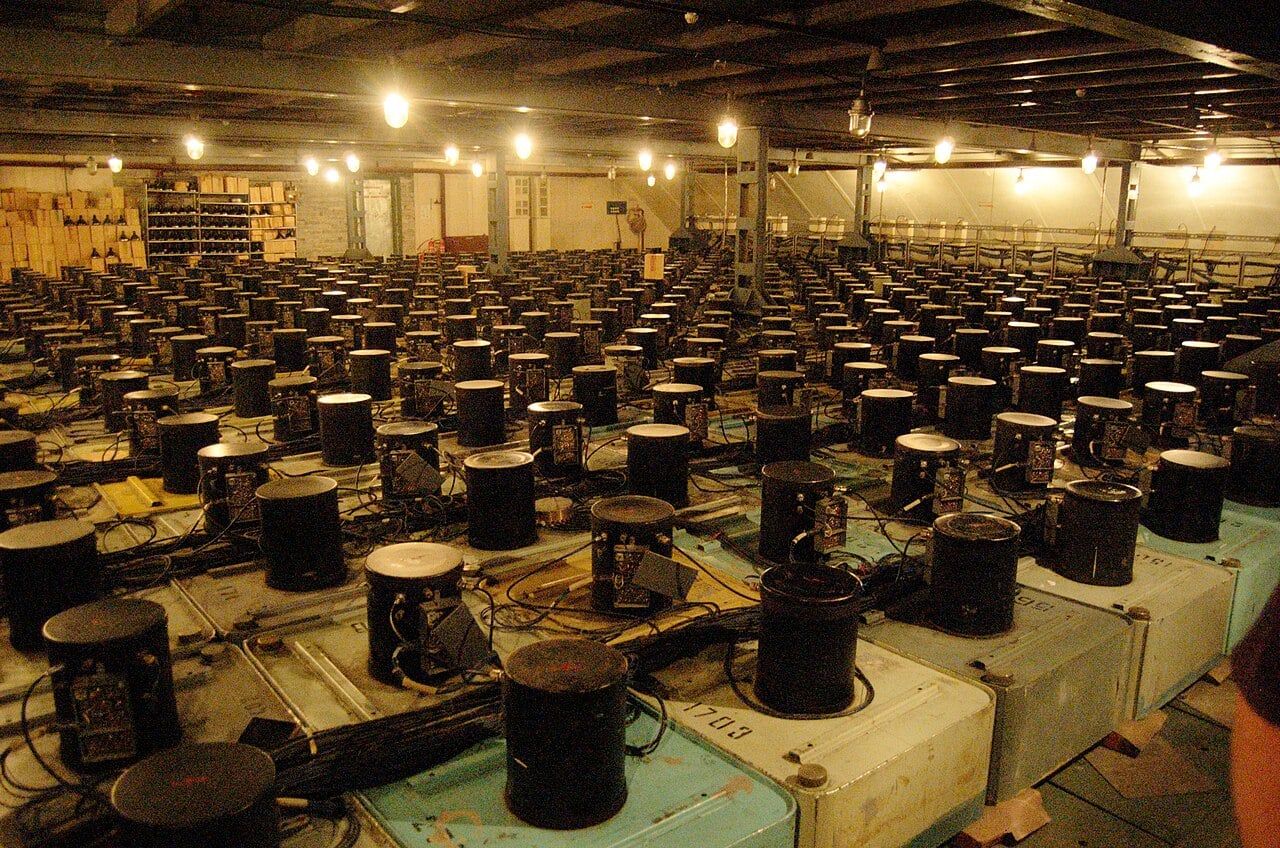
Deep beneath the surface of the planet sits a natural nuclear reactor that has operated continuously for billions of years. Vast reservoirs of radioactive minerals decaying within the rock generate the thermal energy that churns the viscous mantle, moves tectonic plates, and feeds volcanic chains across the globe. Yet because human drill bits have penetrated only a few kilometres into the outer crust, geophysicists have had no way to sample the chemical furnace directly.
Understanding exactly how much heat this internal radioactivity generates is central to determining the thermal lifespan of Earth. If the planet relies largely on primordial heat left over from its violent gravitational formation, its interior is simply cooling off slowly over geological time. If ongoing radioactive decay supplies the majority of that thermal budget, dynamic forces such as continental drift and volcanic venting will persist much longer into the deep future.
A global network of subterranean particle detectors is now measuring the particles emitted by this hidden furnace to trace where those radioactive reserves reside.1 By recording the ghostly particles streaming up through the ground, physicists are beginning to assemble a chemical map of the deep interior that traditional seismic imaging cannot provide. The analysis builds on foundational research by G. Fiorentini and colleagues at the University of Ferrara and the National Institute for Nuclear Physics, who examined detector data in Physical Review D to separate the crust from the mantle.2
How do decaying elements inside the planet reveal their location?
Unstable atomic nuclei release energetic particles called electron antineutrinos as they break down within rock layers deep beneath the surface.2 Heavy, unstable isotopes of uranium and thorium naturally shed mass through chained radioactive transformations over billions of years.2 Each step in those decay sequences produces heat alongside tiny, neutral subatomic particles known as geoneutrinos. Because these particles carry no electrical charge and virtually no mass, they rarely interact with normal matter.
That extreme neutrality allows geoneutrinos to escape into space undisturbed. While seismic vibrations slow down, bend, or reflect off structural boundaries deep within the mantle, geoneutrinos fly straight through thousands of kilometres of solid rock at nearly the speed of light. The particles arrive at the surface carrying pristine records of their radioactive origins, providing a direct geochemical tally of the uranium and thorium decaying beneath the ground.
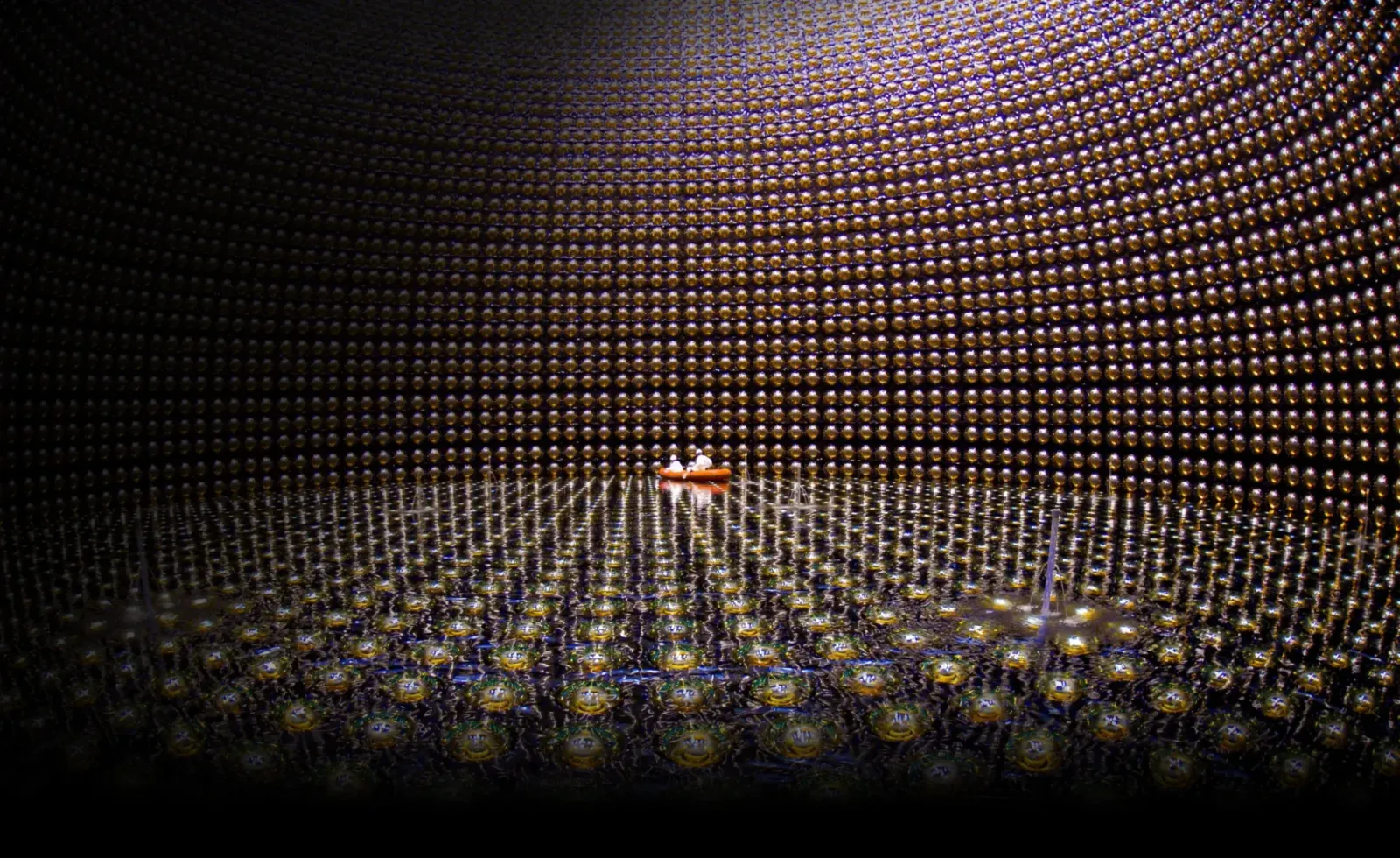
Catching these particles requires massive instruments shielded from cosmic radiation deep inside mountain caverns or abandoned mines. When a geoneutrino happens to collide with a proton inside an oil-based liquid scintillator, the interaction sparks a distinctive pair of faint light flashes that photomultiplier tubes can identify. Measuring the frequency and energy of those flashes allows researchers to estimate the total radioactive flux passing through the facility.
What did detectors measure beneath the crust?
Underground instruments recorded signals of geoneutrinos from thorium and uranium decay at statistical significances of roughly four standard deviations each.2 That statistical benchmark, established in observations from the KamLAND detector in Japan and the Borexino detector in Italy, confirmed that particles from internal radioactive decay could be distinguished reliably from ambient background interference.2
The central difficulty in interpreting those measurements lies in untangling where the particles originated. Earth's rocky crust contains relatively high concentrations of uranium and thorium compared with the deeper interior, meaning a substantial fraction of the recorded geoneutrinos comes from nearby local geology. To identify the heat generated deeper down, Fiorentini and colleagues estimated the crustal flux around each facility using detailed geochemical and geophysical surveys, allowing them to subtract the crustal portion from the total recorded signal.2
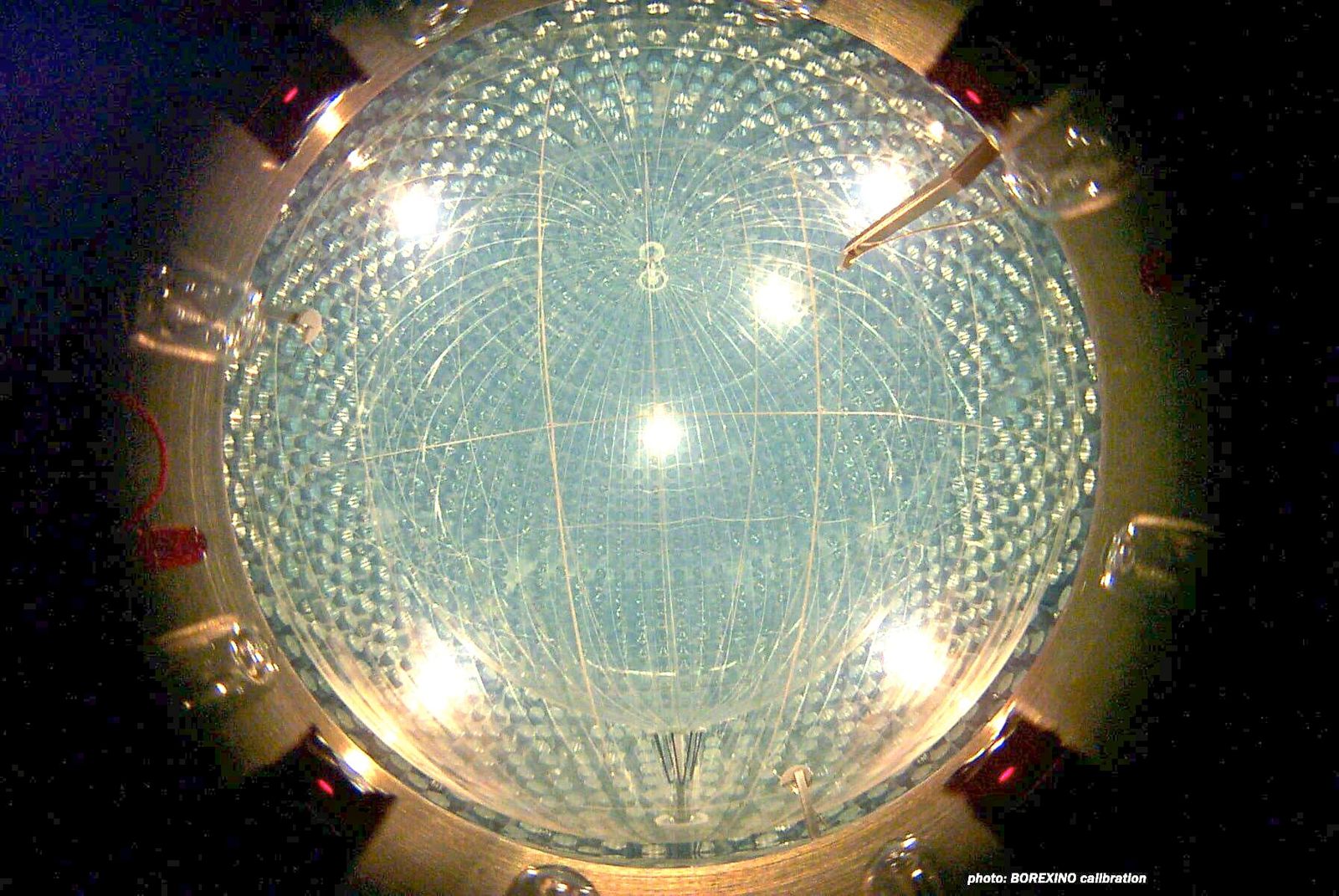
When researchers combined the measurements from both installations, the crust-subtracted data revealed hints of a mantle signal at approximately 2.4 standard deviations above expected background variations.2 The inferred flux from the mantle slightly favoured scenarios featuring relatively high abundances of thorium and uranium, offering an initial chemical glimpse into the driving engine of mantle convection.2
Why is separating the mantle signal so difficult?
Subtracting the intense particle emissions of Earth's crust leaves a faint mantle signature that still carries substantial statistical uncertainty.2 Because the combined mantle signal emerged at about 2.4 standard deviations, the result represents suggestive evidence rather than definitive proof of mantle geoneutrino emission.2 The inferred flux matches high-abundance models within uncertainties of plus or minus one standard deviation, which overlaps with the wide range of predictions generated by competing geochemical models of the mantle.2
The measurement process also depends heavily on calculations of neutrino oscillation. As antineutrinos travel through space and rock, quantum mechanics dictates that they shift between three different varieties, changing how easily detectors can capture them.2 Any estimate of deep interior heat must accurately model those transformations across thousands of kilometres of rock, while relying on regional crustal surveys that carry their own inherent measurement tolerances.2
Adding more detection sites across the globe will help isolate the signal of the deep interior from local crustal noise. A broader distribution of underground instruments, placed in diverse geological settings across continents and ocean floors, will collect larger particle counts over coming decades. As those measurements accumulate, geoscientists will be able to confirm whether the mantle's radioactive heat engine runs hot or lean, resolving long-standing questions about the forces shaping the crust.
What this rests on
14 sentences trace to 2 sources.
-
1
JD
James Dinneen Document · wired.com · 4 Oct 2026 Elusive ‘Geoneutrinos’ Are Building a New Map of Earth’s Volatile Interior See the source
-
2
L
link.aps.org Third-party reporting · link.aps.org Mantle geoneutrinos in KamLAND and Borexino | Phys. Rev. D See the source