Dengue infections surge across central Florida as local transmission takes hold
A rare confluence of drought, northern shifts and human water use has allowed mosquito populations to seed untracked viral chains beyond historical southern hotspots.
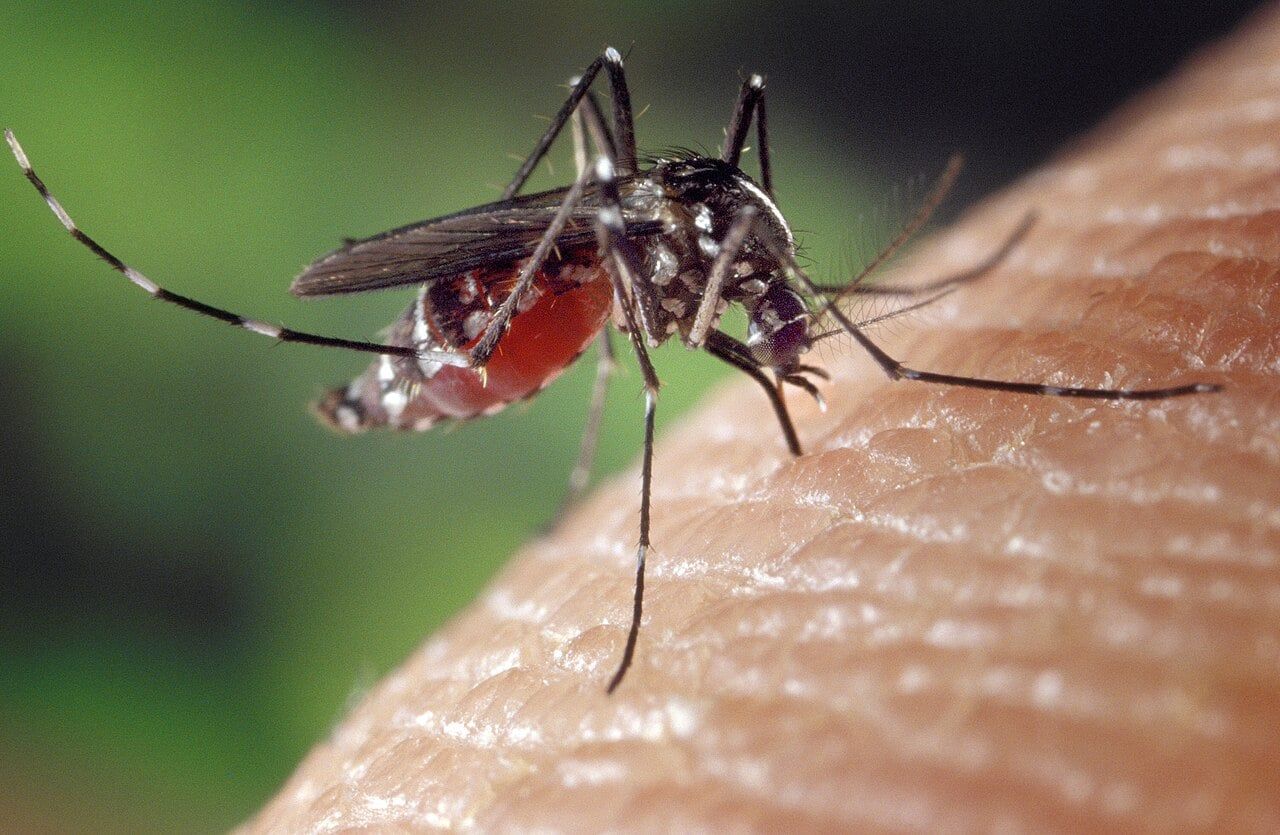
For generations of public health monitoring in the southeastern United States, dengue fever arrived almost entirely inside the bodies of travellers returning from abroad. An infected person stepped off an aeroplane, felt sick a few days later, and visited a clinic where doctors confirmed the pathogen. Because the state of Florida is not considered an endemic habitat where the virus circulates permanently, these sporadic arrivals rarely ignited self-sustaining chains of local infection. When small outbreaks did take place, they remained confined almost exclusively to the subtropical bottom of the peninsula, clustering around Miami and the Florida Keys before dying out.
That pattern has broken in an unexpected direction. Health authorities across Florida are confronting a rapid rise in local transmission that has migrated hundreds of miles north into temperate urban centres, prompting emergency declarations in multiple counties.1 The shift matters because an introduced tropical virus that gains local traction alters everyday risk for ordinary residents who have never left their home towns. Instead of relying on travel histories to identify who might be carrying the disease, local clinics must now evaluate feverish patients with no record of international travel.
To understand how a tropical virus gains ground in non-endemic territory, it helps to examine the physical chain of transmission step by step. Dengue fever cannot pass directly from one human to another through ordinary physical contact, breath or saliva.1 The transmission cycle requires an intermediary insect host. A biting mosquito must first feed on a person whose bloodstream carries active viral particles during an acute infection. The mosquito must then survive long enough for the virus to replicate inside its gut and migrate into its salivary glands. Finally, that same insect must bite a second person, injecting the virus directly into human tissue to start a new infection. When higher temperatures accelerate viral replication inside the insect, that waiting period shortens, allowing mosquitoes to transmit the pathogen much earlier in their lifespans.1
Why are local infections climbing in unexpected parts of Florida?
Local cases have climbed because climatic shifts, seasonal travel patterns and suburban water usage created an unusual ecological corridor farther north than historical baselines recorded. Historically, dengue outbreaks in Miami typically registered 50 or fewer cases in a given year.1 While Miami experienced an outbreak of more than 200 cases in 2019 and totals ranging from 500 to 675 cases between 2022 and 2024, the southern tip of the state is no longer the sole locus of transmission.1
The current cluster is concentrated farther north in Hillsborough County, which encompasses the city of Tampa.1 Panpim Thongsripong, a disease ecologist at the University of Florida, observed that Hillsborough County normally sees only a few sporadic cases.1 This year, the county has accounted for 223 of Florida's 252 locally acquired cases, along with the state's first known dengue death in almost a century, confirmed by the Florida Department of Health in early September.1

Overall, Florida has recorded 497 total cases of dengue fever so far this year.1 Of those 497 reported cases, 252 cases, or roughly 51 percent, were caught locally from domestic mosquitoes rather than imported by travellers.1 Caroline Waddell, a public health researcher at the University of Florida, noted that the 245 travel-related cases diagnosed this year reflect a typical volume.1 By contrast, Waddell pointed out that the count of cases caught from local mosquitoes is more than five times higher than at this point in the year compared with any of the previous four years.1
In response to the northern concentration of cases, Hillsborough County and its neighbouring jurisdictions, Pasco and Pinellas counties, have declared local states of emergency.1 A 2022 study in the journal Insects showed that past local outbreaks were concentrated in southern Florida, where moderate rainfall, elevated warmth and high volumes of travel-associated cases converged.1 The migration of viral activity north to Tampa suggests shifting climate patterns are expanding hospitable territory for vectors across the state.
How did drought conditions encourage mosquito breeding?
Drought conditions encouraged mosquito breeding by prompting residents to run lawn sprinklers and maintain standing water in domestic containers where vector species thrive. While an extended dry spell would ordinarily dry up natural wetlands and suppress mosquito numbers, Florida has experienced its most intense drought in more than a decade, fundamentally altering neighbourhood microclimates.1
Keira Lucas, deputy executive director of the Collier Mosquito Control District, pointed out that dry weather leads people to run lawn sprinklers more frequently, forming standing puddles and filling household receptacles.1 Dengue is transmitted by two mosquito species, Aedes aegypti, commonly known as the yellow fever mosquito, and Aedes albopictus, the Asian tiger mosquito.1 Both species also transmit the viruses that cause yellow fever, Zika and chikungunya.1 The yellow fever mosquito is particularly adapted to domestic human habitats, showing a marked preference for breeding in artificial, human-made containers such as plant saucers, buckets, discarded tires and birdbaths.1
Severe drought can also alter insect behaviour. Dehydrated mosquitoes actively hunt for fluid sources, driving them to bite people more frequently than they would under humid conditions.1 Thongsripong characterised the event as an unfortunate convergence of environmental triggers, noting that everything came together at the right time and right place to generate the conditions for an outbreak.1
What can trap data and symptoms reveal about the true spread?
Trapping records and patient symptoms reveal that dengue is circulating more widely than official tallies reflect because the vast majority of infected people develop no symptoms at all. The underlying pathogen, Orthoflavivirus denguei, causes observable clinical illness in only about one in four people who contract it.1 Because roughly 75 percent of infections produce no symptoms, the virus can circulate invisibly within neighbourhoods for extended periods before a severe case alerts public health clinics.1
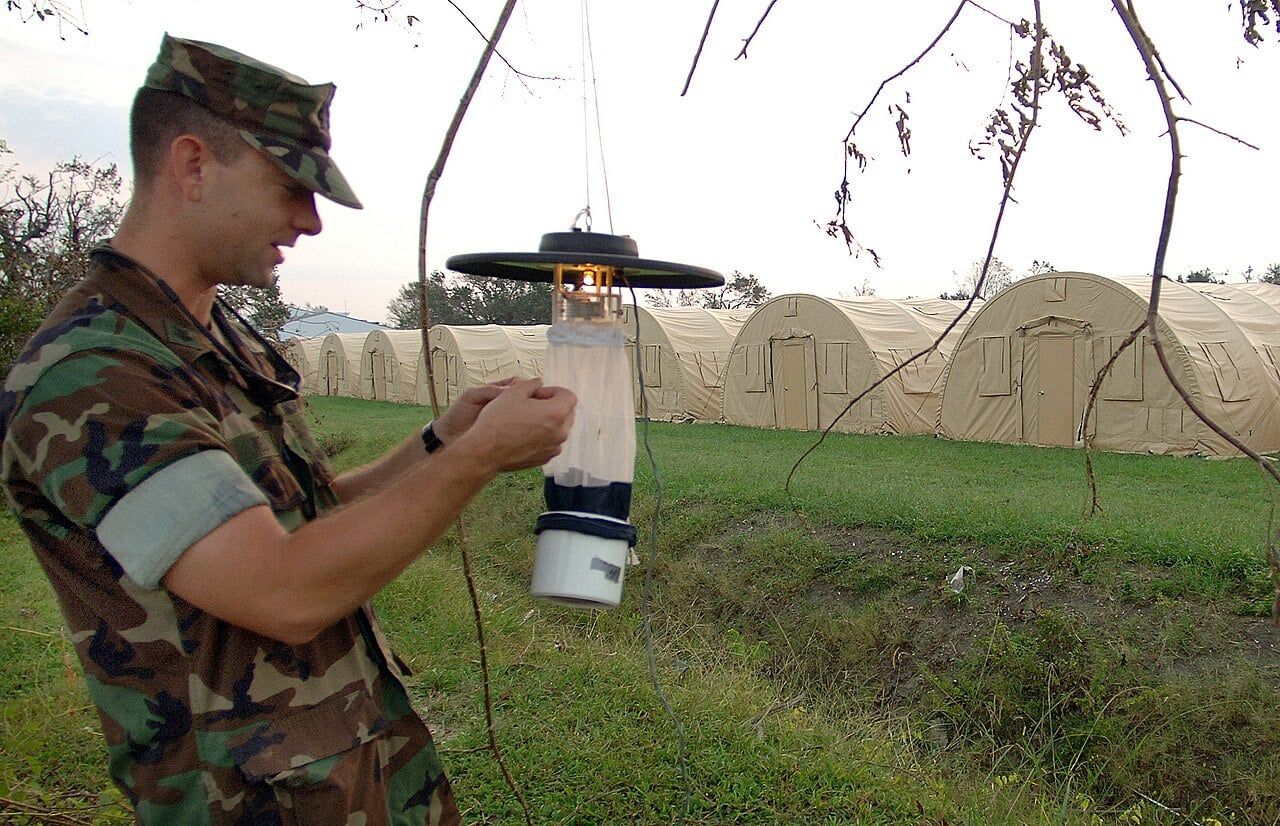
Routine surveillance efforts in Florida involve capturing adult mosquitoes and screening them in batches known as mosquito pools. Finding virus-positive pools is exceptionally rare in Florida because the disease is not endemic.1 In 2023, only one mosquito pool tested positive statewide, and in 2025, just four pools tested positive across Florida.1 This year, 20 mosquito pools have tested positive for dengue across seven counties, with 19 of those 20 positive pools concentrated in the greater Tampa area.1 Lucas noted that routine trapping is an inefficient mechanism for catching pathogens, comparing the process to looking for a needle in a haystack, which means positive catches usually signal that substantial community transmission is already underway.1
When clinical symptoms do appear, they typically present as fever, headache, body aches, nausea and rash.1 Approximately one in 20 symptomatic cases progresses to severe dengue, which can cause severe abdominal pain, persistent vomiting, difficulty breathing, bleeding from the nose or gums, fluid leakage from blood vessels, circulatory shock, organ failure and death. Children, older adults, pregnant individuals and immunocompromised patients face the greatest risk of severe complications.1 Because no specific antiviral therapy exists for dengue, medical treatment relies entirely on managing symptoms and supporting vital organ functions.1
What limits our understanding of this outbreak and what comes next?
Current surveillance figures represent an incomplete cross section rather than an exhaustive tally of every infection across Florida. The reported figures capture only those patients who felt unwell enough to seek medical evaluation and receive a diagnostic test. Because three-quarters of infections remain asymptomatic and many others cause only mild, flu-like discomfort, Waddell pointed out that the actual total of viral infections in the community is almost certainly higher than official records indicate.1
Furthermore, disease ecologists emphasise that it remains too early to definitively rank the individual environmental drivers that accelerated this year's outbreak. The interaction between suburban irrigation during droughts, warming regional temperatures and international travel introductions requires continued ecological modelling to untangle. The current observations represent observational public health field surveillance rather than a controlled ecological experiment.
Long-term control efforts depend on aggressive mosquito abatement and coordinated municipal interventions. Vector control districts are coordinating directly with health departments to map positive traps and deploy targeted larvicides, which destroy immature mosquito larvae in standing water before adult pests can emerge.1 Health specialists advise residents to inspect yards, empty water receptacles and apply insect repellent. With an ongoing El Niño event projected to produce a wetter winter across Florida, public health authorities warn that unseasonable rains could expand mosquito breeding grounds further, extending transmission risks well beyond traditional seasonal windows.1
What this rests on
33 sentences trace to 1 source.
-
1
OF
Olivia Ferrari Document · livescience.com · 8 Oct 2026 Why are dengue cases surging in Florida this year? An 'unlucky' combination of factors, experts say See the source