Cancer and neurodegeneration reveal an uneasy biological trade-off
Patients with neurodegenerative illnesses frequently show lower tumour rates, but method flaws and positive links in conditions like melanoma suggest the protective pattern is far from universal.
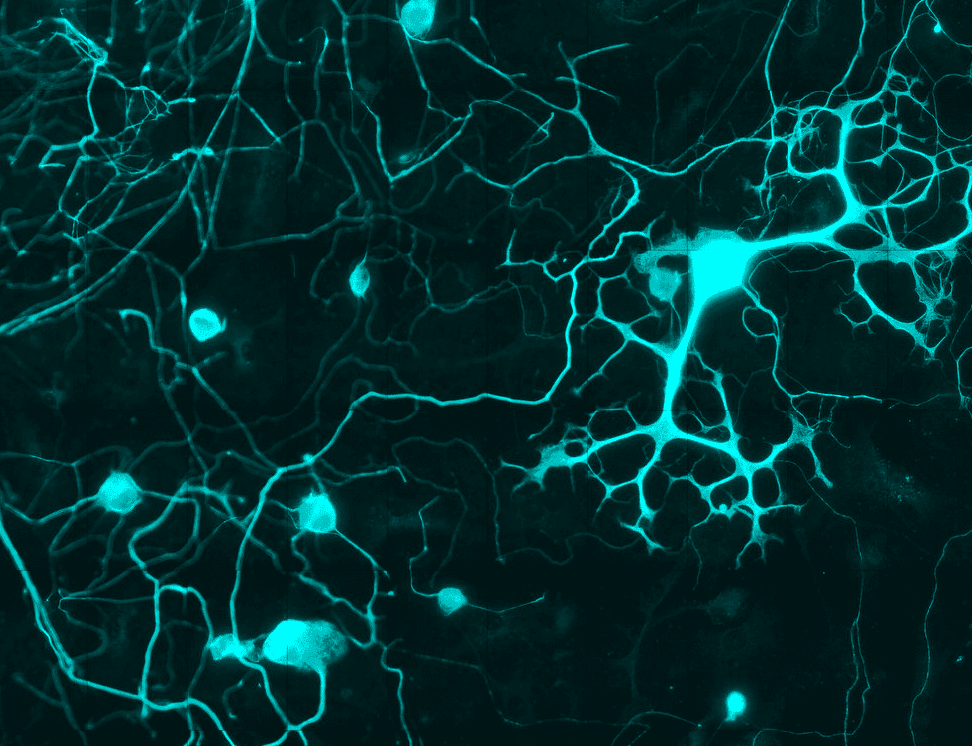
A person diagnosed with a severe neurodegenerative disorder often appears statistically less likely to develop many common cancers. In biology, the two conditions represent opposite cellular fates.1 Cancer occurs when damaged cells refuse to die and multiply out of control, whereas neurodegenerative illness happens when mature brain cells wither and die prematurely.1 For decades, population surveys have observed that patients with one condition tend to experience lower rates of the other, hinting that the biological mechanisms driving uncontrolled tissue growth might protect against premature cell loss.21
Understanding whether this trade-off is real matters because shared molecular pathways could point clinicians toward new prevention strategies and treatments for both classes of disease.21 If a cellular program that suppresses tumours also accelerates the death of neurons, intervening in that process requires exceptional care. A drug designed to halt abnormal cell proliferation could inadvertently stress delicate brain tissue, while a treatment that protects neurons against death might lower the natural barriers that prevent malignant tumours from forming.
The biological logic hinges on how individual cells manage stress, repair damaged DNA, and decide whether to survive. In a healthy body, molecular checkpoints detect genetic mutations and halt division until repairs are complete. If the damage proves too extensive, the cell initiates an orderly self-destruction sequence known as apoptosis, or programmed cell death. When these survival and destruction controls skew too far toward preservation, rogue cells survive and accumulate into tumours. When those same controls tilt too far toward sensitivity, fragile neurons that cannot be replaced are triggered into premature death. Cellular survival pathways that defend against one crisis may directly promote the other.
What does the clinical evidence show?
Population registries reveal that the inverse relationship between tumours and neurodegeneration is neither uniform nor universal. In an analysis published in Neurodegenerative Disease Management, lead author Jussi Sipilä and colleagues Eetu Heervä, Ayla Mehdiyeva, and Valtteri Kaasinen evaluated the epidemiological record and noted that while overall data suggest a general inverse risk association between cancer and neurodegenerative disorders, meta-analyses continue to report conflicting outcomes across different cohorts.2 The authors found that the protective pattern is confined to specific disease combinations, and in certain medical conditions the statistical association actually flips to become positive.2
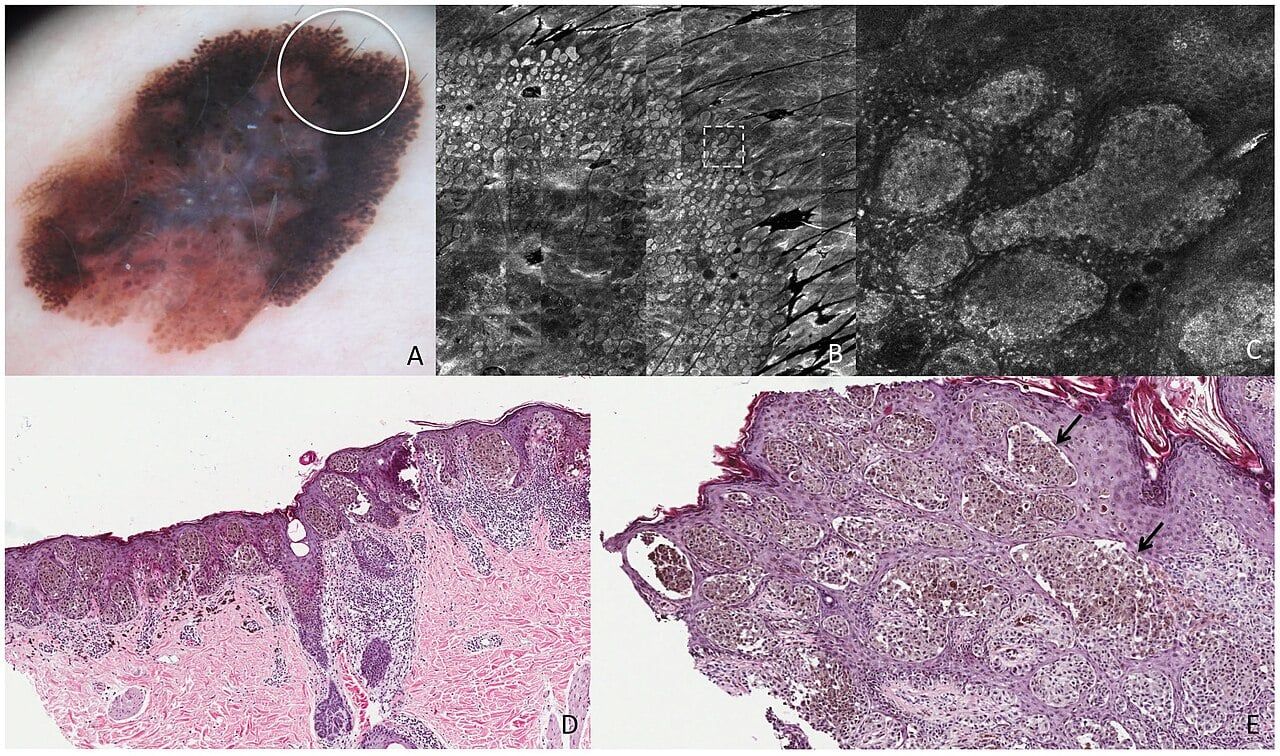
Earlier synthesis by Hélène Plun-Favreau and colleagues at University College London established how uneven these patterns can be across specific diagnoses. In Parkinson's disease, patients experience a decreased incidence of most smoking-related and non-smoking cancers, yet they face an elevated risk of malignant melanoma.1 Similarly, past cohort studies demonstrated that an Alzheimer's disease diagnosis was associated with a 60 percent reduced risk of cancer, while a history of cancer was linked to a 30 percent reduction in subsequent Alzheimer's risk, after adjustment for age.1 The presence of Huntington's disease also correlates with lower cancer frequency, whereas conditions such as motor neuron disease have yielded contradictory results across separate registries.
Biological mechanisms unique to individual tissues appear to drive these exceptions. In response to questions from Primary about the heightened melanoma risk in Parkinson's disease, Sipilä said that "there are well-documented shared pathways involving melanin production that are involved in both melanoma and Parkinson's disease" and noted that these shared mechanisms are likely to drive the association.contributed Sipilä also noted that to overturn the view that associations are disease-specific, researchers would need "a meta-analysis including epidemiological studies that cover different ethnicities with valid data and accouting for biases that reports an unequivocal estimate favouring a universal link with narrow confidence intervals and low heterogeneity."contributed
Why do existing studies produce conflicting results?
Methodological pitfalls and systematic distortions in patient records explain why broad surveys often fail to agree. Sipilä and colleagues identified several recurring flaws in previous literature, including imprecise disease characterization, questionable data validity, unhandled exposure to shared environmental risk factors, and survival bias.2 Survival bias arises when individuals who develop aggressive tumours die before reaching the older ages at which neurodegenerative symptoms typically manifest, creating an illusion of biological protection. Furthermore, historical differences in smoking habits between patients with Parkinson's disease and the general public have distorted comparisons, although smoking rates do not fully account for the reduced frequency of non-smoking cancers.1
Addressing the puzzle of non-smoking malignancies, Sipilä told Primary that an oncologist colleague noted that all cancers have some connection to smoking, with the strength of the association varying by tumour type.contributed Sipilä added that given the sheer variety of conditions, multiple distinct biological mechanisms are likely operating simultaneously across different disease pairings.contributed

To overcome these distortions, Sipilä and colleagues argue that future epidemiological investigations must adopt far stricter technical standards before drawing conclusions about shared biological mechanisms.2 Diagnoses recorded in electronic health registries require systematic clinical validation, and broad disease categories must be divided into specific biological subtypes.2 Sipilä told Primary that validation is critical because cancer records in dedicated registries are generally accurate, whereas clinical definitions of neurodegenerative disorders vary considerably, observing that diagnostic validation appears to work in opposite directions for Alzheimer's disease and Parkinson's disease.contributed Researchers need to measure time-varying trends as potential confounders, account explicitly for diagnostic biases, and ensure that studies detecting no association are consistently published to prevent selective reporting from skewing the scientific record.2
What are the limits of population data?
Epidemiological associations cannot prove that one biological process directly prevents another. The published paper by Sipilä and colleagues is a methodological evaluation of existing observational studies, not an experimental trial or a direct measurement of cellular mechanisms.2 Statistical correlations in health databases describe patterns among patient populations, but they cannot show whether the observed risk reductions stem from underlying molecular machinery or unmeasured differences in healthcare access, patient surveillance, and lifestyle. Even well-designed observational analyses remain vulnerable to diagnostic delays, as subtle neurological decline can overshadow the early detection of asymptomatic tumours.
Observational signals also face clear boundaries when translated into clinical drug development. Sipilä told Primary that well-controlled epidemiological data can point researchers toward promising disease pairs and relevant demographic groups such as age and sex, but basic laboratory science and translational expertise are required to transform those population clues into viable biological targets and clinical trials.contributed
Untangling these relationships will determine how laboratory researchers approach the molecular links between tumours and brain aging. If the apparent protection vanishes once diagnostic biases and disease subtypes are accounted for, scientists can avoid chasing false biological leads. If genuine inverse links survive rigorous scrutiny in specific diseases, isolating the precise genes and regulatory proteins involved, such as those governing cell cycle arrest and DNA repair, could help researchers develop therapies that shield neurons without disabling the body's natural defences against malignancy.21
What this rests on
21 sentences trace to 2 sources and 1 contributor.
-
1
J
journals.plos.org Third-party reporting · journals.plos.org Cancer and Neurodegeneration: Between the Devil and the Deep Blue Sea See the source
-
2
JS
Jussi Sipilä, Eetu Heervä, Ayla Mehdiyeva, Valtteri Kaasinen Official record · pubmed.ncbi.nlm.nih.gov · 26 Sep 2026 Epidemiological associations between neurodegeneration and cancer - time to refine our research approach See the source
- 3 Contribution — Jussi 11 statements added to this article
Article history
-
Published 9 Oct 2026, 18:13Assembled by the Primary desk from 2 sources · 1 contributor · 21 cited sentences
-
Jussi, lead author
- Go to the sentence: The authors found that the protective pattern is confined to specific disease combinations, and in certain medical conditions the statistical association actually flips to become positive.
- Go to the sentence: In Parkinson's disease, patients experience a decreased incidence of most smoking-related and non-smoking cancers, yet they face an elevated risk of malignant melanoma.
- Go to the sentence: In response to questions from Primary about the heightened melanoma risk in Parkinson's disease, Sipilä said that "there are well-documented shared pathways involving melanin production that are involved in both melanoma and Parkinson's disease" and noted that these shared mechanisms are likely to drive the association.
- Go to the sentence: Sipilä also noted that to overturn the view that associations are disease-specific, researchers would need "a meta-analysis including epidemiological studies that cover different ethnicities with valid data and accouting for biases that reports an unequivocal estimate favouring a universal link with narrow confidence intervals and low heterogeneity."
- Go to the sentence: Sipilä and colleagues identified several recurring flaws in previous literature, including imprecise disease characterization, questionable data validity, unhandled exposure to shared environmental risk factors, and survival bias.
- Go to the sentence: Furthermore, historical differences in smoking habits between patients with Parkinson's disease and the general public have distorted comparisons, although smoking rates do not fully account for the reduced frequency of non-smoking cancers.
- Go to the sentence: Addressing the puzzle of non-smoking malignancies, Sipilä told Primary that an oncologist colleague noted that all cancers have some connection to smoking, with the strength of the association varying by tumour type.
- Go to the sentence: Sipilä added that given the sheer variety of conditions, multiple distinct biological mechanisms are likely operating simultaneously across different disease pairings.
- Go to the sentence: Diagnoses recorded in electronic health registries require systematic clinical validation, and broad disease categories must be divided into specific biological subtypes.
- Go to the sentence: Sipilä told Primary that validation is critical because cancer records in dedicated registries are generally accurate, whereas clinical definitions of neurodegenerative disorders vary considerably, observing that diagnostic validation appears to work in opposite directions for Alzheimer's disease and Parkinson's disease.
- Go to the sentence: Sipilä told Primary that well-controlled epidemiological data can point researchers toward promising disease pairs and relevant demographic groups such as age and sex, but basic laboratory science and translational expertise are required to transform those population clues into viable biological targets and clinical trials.