Experimental triple hormone drug reduces body weight in diabetes trial
A weekly injection activating three metabolic pathways produced an average weight loss of nearly 21 percent, offering a potential path to normal blood sugar levels for adults with Type 2 diabetes.
Losing significant body weight has long presented an uphill challenge for people managing Type 2 diabetes. While modern treatments have made substantial weight reduction possible for the broader population living with obesity, individuals with diabetes typically shed considerably less weight on identical therapeutic regimens.1 Metabolic alterations, severe insulin resistance, and the counteracting mechanisms of common diabetes therapies frequently stall progress, leaving patients caught between elevated blood sugar and persistent excess weight.1
The biological knot connecting obesity and diabetes involves multiple interlocking regulatory loops. When cells become insensitive to insulin, the pancreas responds by producing larger quantities of the hormone to force glucose into tissues. This hyperinsulinemic environment promotes the storage of fat and inhibits the breakdown of lipid reserves. At the same time, excess visceral fat releases inflammatory signalling molecules that further impair insulin sensitivity. Breaking this circular pattern requires more than restricting calories, because the body instinctively lowers its metabolic rate to protect its energy stores.
To alter that stubborn metabolic dynamic, pharmaceutical researchers developed retatrutide, an experimental molecule designed by Eli Lilly that coordinates three separate hormonal signals at once.1 In a Phase 3 clinical trial led by V. Bellido and colleagues, published in The Lancet and presented at the 62nd Annual Meeting of the European Association for the Study of Diabetes in Milan, the triple-action compound demonstrated that targeting three distinct pathways simultaneously can trigger profound weight reduction alongside marked improvements in glycemic regulation.1
How does stimulating three gut hormone pathways alter metabolism?
Stimulating receptors for GLP-1, GIP, and glucagon simultaneously alters metabolism by curbing appetite while increasing the rate at which the body burns stored energy. In standard human digestion, the presence of nutrients prompts specialized endocrine cells along the gut to release peptide hormones. One of these, glucagon-like peptide-1, or GLP-1, travels to the brain to signal satiety, slows the physical emptying of the stomach, and prompts the pancreas to release insulin in response to incoming nutrients.1 A second peptide, glucose-dependent insulinotropic polypeptide, or GIP, complements this action by helping govern insulin secretion and modulating how fat tissue handles lipid storage.1
Earlier generations of metabolic therapies targeted only one or two of these pathways. Treatments such as semaglutide stimulate solely the GLP-1 receptor, whereas tirzepatide targets both GLP-1 and GIP receptors.1 While these dual and single agents successfully suppress appetite and moderate calorie consumption, they do not directly accelerate energy consumption. By contrast, retatrutide adds activity at the receptor for glucagon, a hormone traditionally recognized for signaling the liver to release glucose into the bloodstream during fasting.1
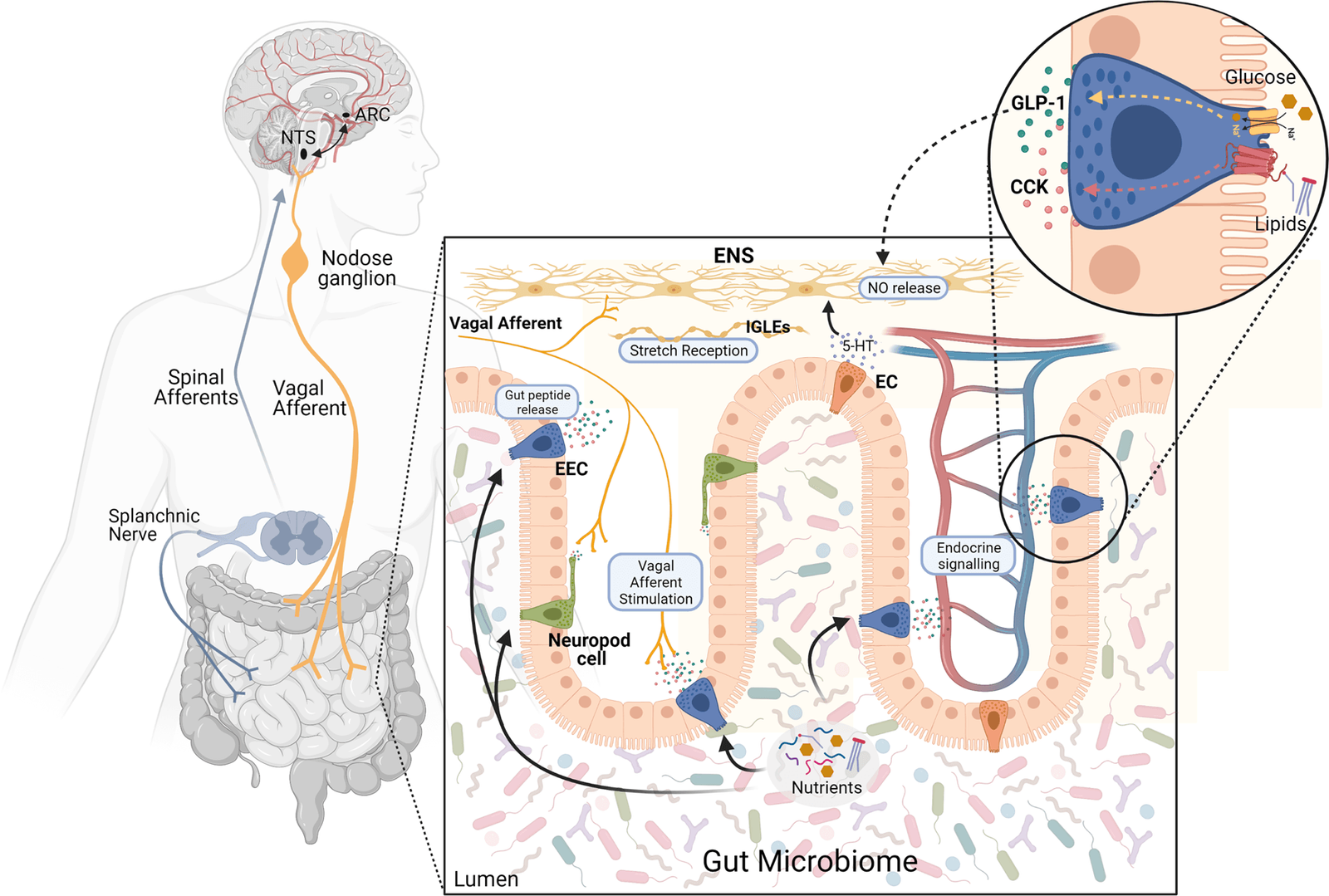
Although activating a pathway that mobilizes hepatic glucose might appear counterintuitive in patients who already suffer from elevated blood sugar, glucagon receptor stimulation also prompts an increase in baseline energy expenditure.1 When glucagon activity is balanced against the insulin-stimulating and appetite-suppressing properties of GLP-1 and GIP, the combined effect allows the body to consume additional energy without losing control over circulating glucose levels.1
How much weight did participants lose during the trial?
Participants receiving the highest weekly dose of retatrutide experienced an average body weight reduction of 20.8 percent over an 80-week treatment duration.1 In the clinical evaluation, designated the TRIUMPH-2 trial, investigators monitored 1,152 adults living with Type 2 diabetes alongside overweight or obesity.1 The research team divided the participants into groups receiving weekly subcutaneous injections of retatrutide at target doses of 4 milligrams, 9 milligrams, or 12 milligrams, or an inactive placebo injection.1 Every participant across all groups received uniform baseline guidance on diet and physical activity.1
Weight reduction tracked closely with the administered dosage across the duration of the investigation. After 80 weeks, the group assigned to 12 milligrams lost an average of 49.6 pounds, or 22.5 kilograms, representing a 20.8 percent loss from their starting body weight under an analysis estimating outcomes if treatment continued as planned.1 Meanwhile, participants receiving the 9-milligram dose lost an average of 19.1 percent of their initial weight, and those on the 4-milligram regimen achieved an average weight reduction of 12.7 percent.1 In comparison, individuals assigned to the placebo group experienced an average weight reduction of 4.0 percent.1
The trial authors also conducted a separate statistical assessment that accounted for treatment discontinuations and alterations in participant adherence. In that treatment-regimen analysis, the highest dose of 12 milligrams delivered an average weight reduction of 18.8 percent, compared with a 5.1 percent decline recorded among participants in the placebo arm.1
The degree of weight reduction had a pronounced effect on physical body composition among the most heavily affected participants. Among volunteers who entered the trial with a body mass index of 35 or higher, a category designated as class II obesity, 59.5 percent of those assigned to the 12-milligram dose no longer met the clinical criteria for obesity by the end of the 80-week observation period.1
What happened to blood sugar levels and overall patient health?
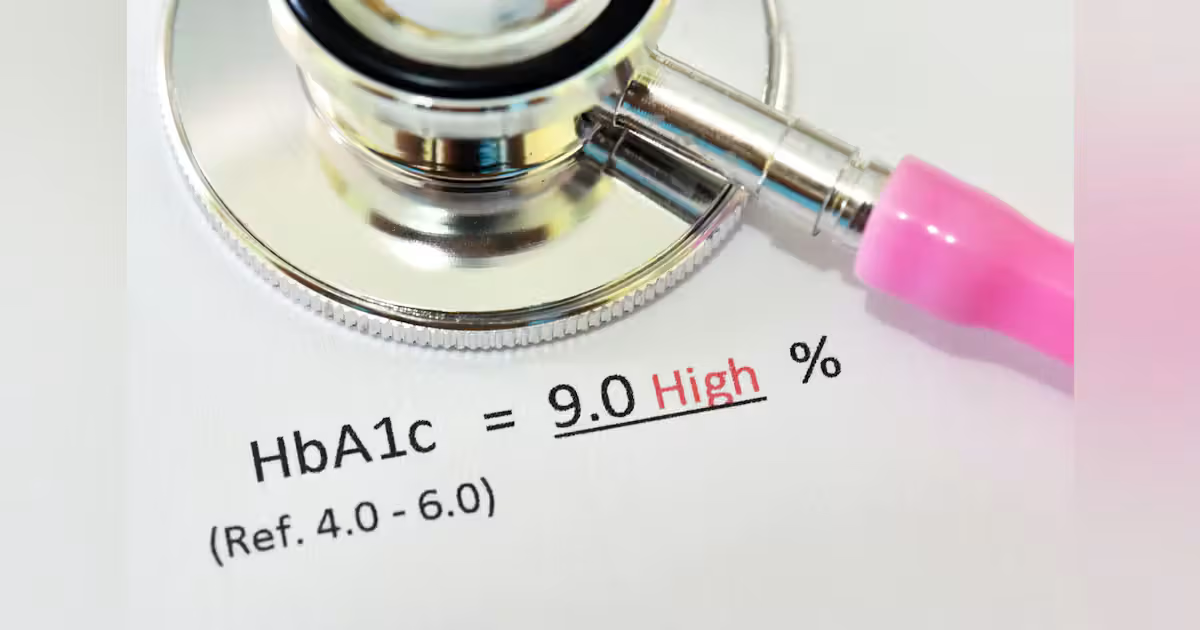
Blood sugar levels dropped substantially across the active treatment arms, with approximately 40 percent of patients on the two highest dosages achieving glycemic control within the normal range.1 The clinical investigators assessed chronic glucose control by measuring HbA1c, a standard clinical marker that reflects average blood sugar concentration over roughly three months.1 Across the study cohort, participants receiving the therapeutic compound experienced an average reduction of approximately 1.6 percentage points in their HbA1c values.1
That measured decline allowed a significant fraction of participants to achieve glycemic measures typical of individuals without diabetes. At the 9-milligram dosage, 40 percent of treated patients reached an HbA1c level below 5.7 percent, which represents the established clinical threshold for normal blood sugar.1 In the control cohort receiving the placebo, only 4.4 percent of patients reached that normal glycemic mark.1
Reducing chronic glucose concentrations addresses the central vascular risks that characterize Type 2 diabetes. Persistently elevated blood sugar injures delicate blood vessels and peripheral nerves, steadily driving up the risk of developing end-stage renal disease, diabetic retinopathy, and major adverse cardiovascular events.1 Lowering circulating glucose toward normal levels mitigates that vascular wear over time.
What are the main risks and limits of the trial findings?
Gastrointestinal adverse events occurred frequently throughout the study and represented the primary clinical complication observed among participants. Across the group receiving the 12-milligram dose, 33.6 percent of patients reported experiencing diarrhea, 28 percent reported nausea, and 15.7 percent experienced vomiting.1 In the comparative placebo arm, those same side effects occurred at rates of 13.2 percent for diarrhea, 8 percent for nausea, and 4.2 percent for vomiting.1 Due to these unpalatable effects, 7.7 percent of participants across the trial were unable to complete the investigation.1
The findings reflect outcomes from a controlled Phase 3 trial setting and cannot determine whether the substantial reductions in body weight and blood glucose will persist indefinitely after the 80-week mark. Because the trial protocol mandated concurrent counselling on diet and physical exercise, the observed results also capture the drug working alongside lifestyle modifications rather than in total isolation. Furthermore, the trial was designed to evaluate clinical biomarker endpoints like weight and glycemic levels, leaving questions about long-term cardiovascular mortality and kidney preservation to be demonstrated by future clinical trials over extended timeframes.
For adults confronting the compounding health challenges of Type 2 diabetes and obesity, the trial demonstrates that simultaneously activating three receptor systems can produce weight reductions approaching 21 percent. While gastrointestinal distress poses an ongoing barrier for some individuals, the therapeutic approach indicates that multi-receptor agonism may reshape chronic metabolic management as future studies evaluate its long-term clinical safety.
What this rests on
28 sentences trace to 1 source.
-
1
AP
Ameya Paleja Document · zmescience.com · 9 Oct 2026 New Weight-Loss Drug Helps People With Type 2 Diabetes Lose 21% of Their Body Weight See the source