Dengue virus can replicate inside protective human memory B cells
A study shows the pathogen turns long-lived immune defenders into cellular hideouts, pointing to drug pathways that could defuse severe second infections.
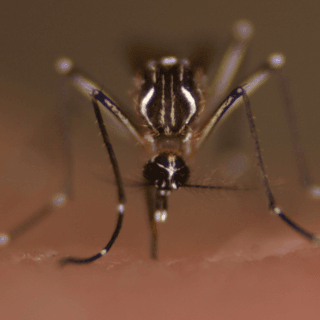
When the human body clears an infection, it usually leaves behind a guard force. Specialized white blood cells retain a molecular memory of the invader, circulating quietly in the bloodstream for years so that a second exposure is halted before illness takes hold. For most common viral infections, that encounter is milder than the first. Dengue fever, however, reverses that protective logic in ways that have defied standard immunological expectations.
A person infected with dengue for a second time often faces far higher risks of severe complications than during their first bout. Instead of clearing the second infection rapidly, the immune system can inadvertently help the virus spread, causing blood vessels to leak fluid and triggering life-threatening collapses in blood pressure. The biological chain of events behind this hazard has puzzled researchers for decades, but new laboratory findings suggest that the very cells meant to preserve protective memory can become active breeding grounds for the pathogen.
To understand how this occurs, consider the sequence of events that takes place during a reinfection. When a mosquito transmits the virus into the skin, the incoming particles encounter circulating antibodies generated during an earlier illness. If those antibodies match the new viral strain imperfectly, they grab onto the virus without neutralizing its infectivity. Rather than destroying the virus, this incomplete binding escorts the particle directly to the surface of immune cells. There, surface receptors pull the entire complex inside, where the virus escapes degradation and begins to copy its genetic material. A cellular sentinel designed to detect the enemy ends up serving as its host.
Why can a second dengue infection become more dangerous?
A second dengue infection becomes dangerous because the human immune response can actively facilitate viral entry into host cells. Dengue is transmitted by mosquitoes and circulates globally as four distinct types, designated DENV-1 through DENV-4, according to the research team.12 About 100 million people contract symptomatic infections each year, and more than 4 billion people live in areas where dengue-carrying mosquitoes are established.1 Roughly 40 percent of the world population faces transmission risk, extending into regions such as the southern United States.1
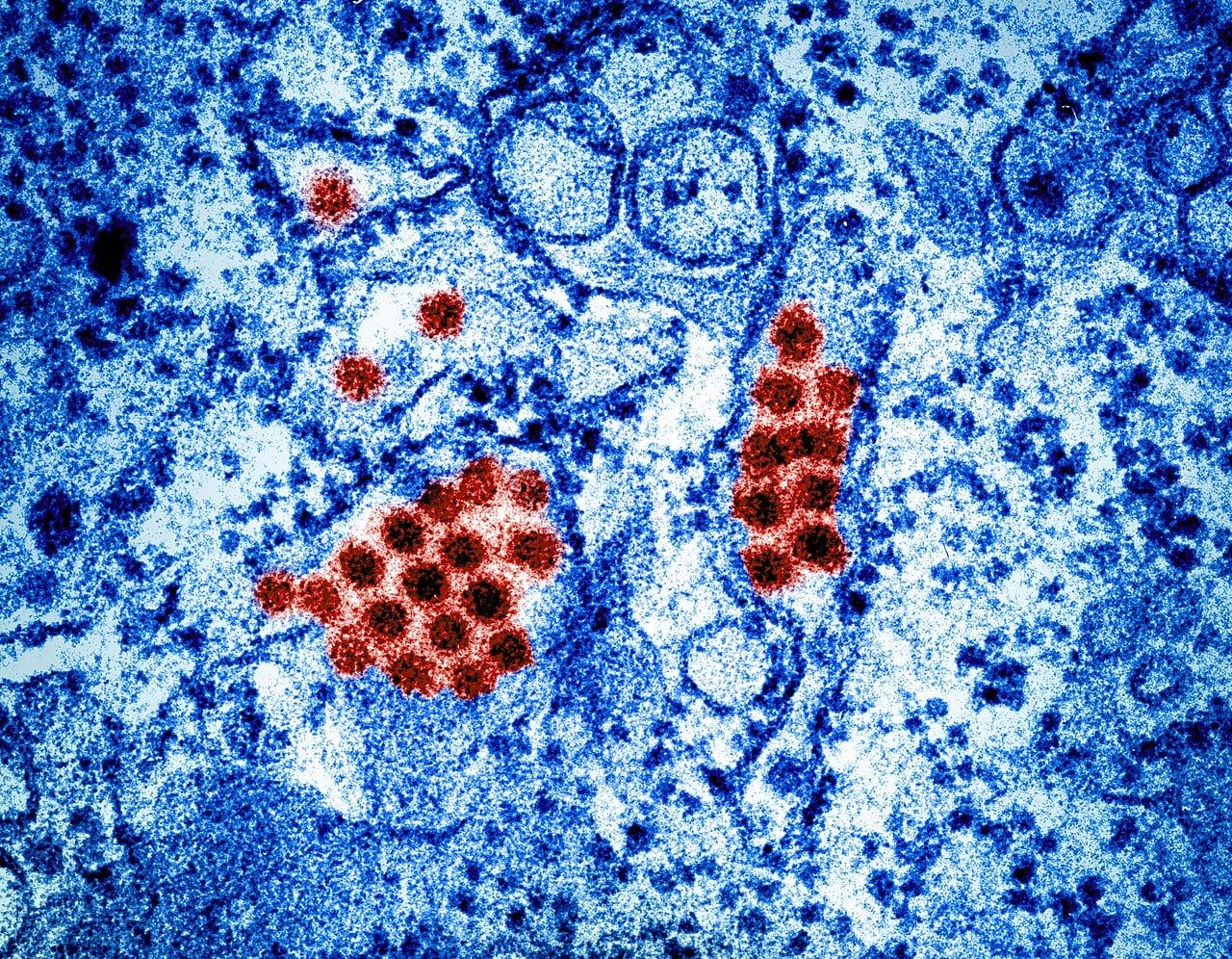
For over 40 years, scientists have attributed this danger primarily to antibody-dependent enhancement.21 Under that classic mechanism, pre-existing antibodies from an earlier infection bind to a new viral serotype and dock onto receptors known as Fc receptors on scavenger cells, including monocytes, macrophages, and dendritic cells.21 Yet clinical analyses of patients experiencing acute dengue infections have revealed an enduring puzzle: circulating B cells frequently harbor the largest reservoir of infected cells in the bloodstream.2 Because B cells do not rely on standard scavenger mechanisms to absorb debris, their infection pointed toward an unrecognized doorway.
How does the virus turn memory cells into hosts?
Dengue virus enters and multiplies inside memory B cells by exploiting the specialized receptor molecules displayed across the surface of the cell. In a study published in the Journal of Virology, investigators at the University of Vermont Robert Larner, M.D. College of Medicine and Upstate Medical University demonstrated that dengue-specific memory B cells can be infected by all four viral types.1 Once inside these long-lived cells, the virus actively replicates and produces new infectious viral particles.1
The study built on earlier work led by Chad Gebo and Adam T. Waickman at Upstate Medical University along with Sean A. Diehl at the University of Vermont, published in PLOS Pathogens in October 2024.1 That earlier research showed that when a B cell receptor recognizes dengue proteins, the membrane-bound receptor itself acts as an entry portal, a phenomenon the authors termed B cell receptor-dependent enhancement.21 The new study, co-led by graduate student Gaby Madrigal at the University of Vermont and Gebo at Upstate Medical University alongside Menelaos Symeonides at the University of Vermont, proved that this entry mechanism operates across long-lived human memory B cells.1
Memory B cells persist for years after an initial encounter, maintaining high readiness to produce antibodies if the pathogen returns. When an individual encounters a different dengue serotype years later, those persistent cells recognize the new virus with their surface receptors. Instead of stopping the invader, the receptor internalizes the particle, transforming long-term defenders into permissive reservoirs for viral replication. Using advanced microscopy, the investigators visualized viral particles entering these immune cells and confirmed that the internal machinery of the cell subsequently produced viable, infectious virus.1
Could existing medicines block this viral pathway?
Existing medications that inhibit B cell activation pathways could theoretically prevent dengue from entering these long-lived immune cells. Beyond observing viral entry, the authors identified specific molecular signaling cascades triggered by the B cell receptor that the virus requires to establish infection.1 Blocking those intracellular signaling steps in the laboratory prevented the virus from completing its entry process.
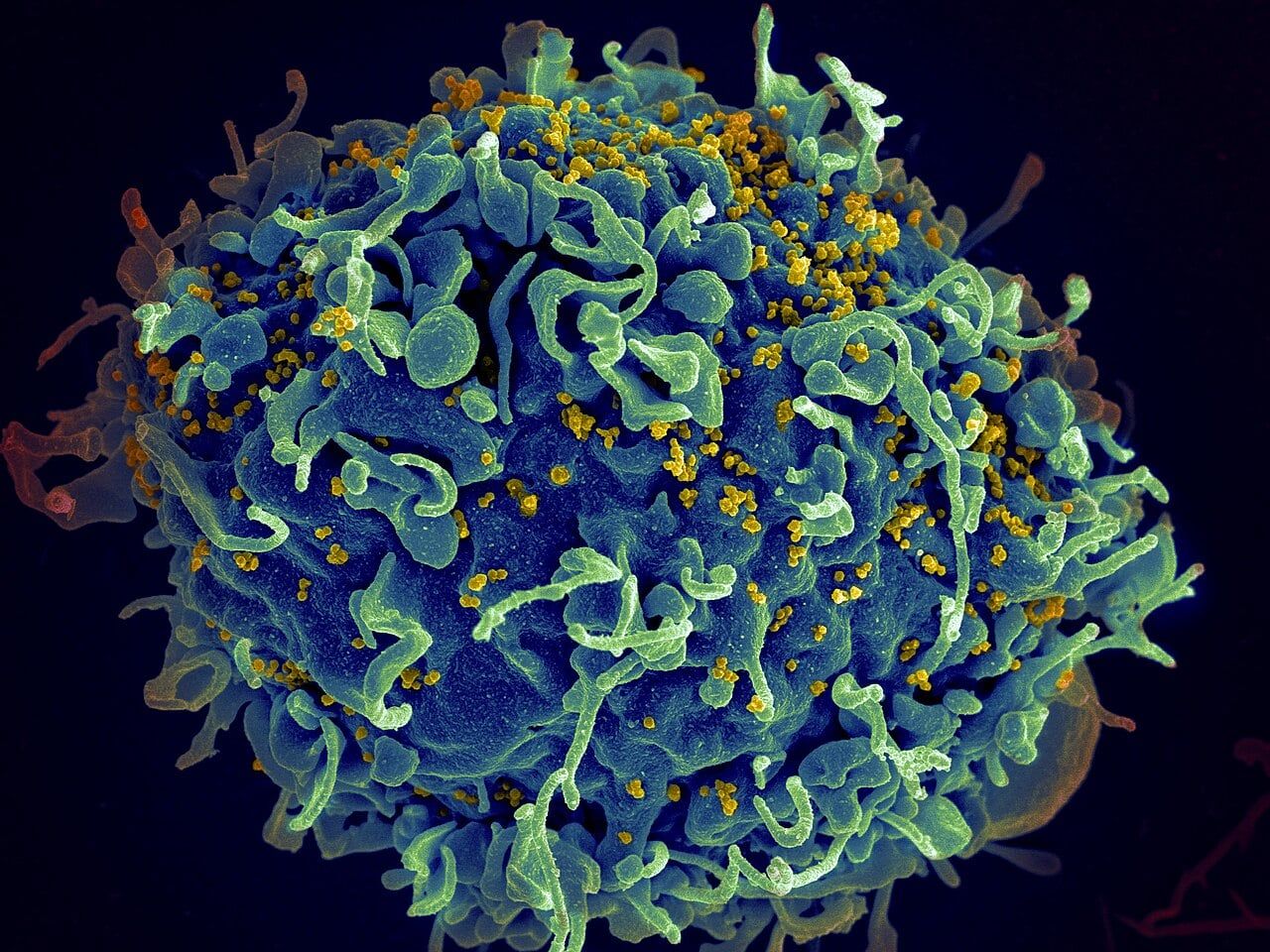
“This work challenges existing assumptions about how dengue interacts with the immune system,” said Sean Diehl, a professor of Microbiology and Molecular Genetics at the University of Vermont.1 Several drugs targeting B cell signaling cascades are already approved by regulators to treat cancers and autoimmune conditions, meaning candidate molecules with known toxicity profiles already exist.1 Adapting those agents could potentially offer researchers a head start in designing targeted treatments for dengue, for which no specific approved antiviral drugs currently exist.
“It is a high bar to show something genuinely new in dengue research,” Diehl said. “I am very proud of this high-quality data produced by our trainees who rose to the occasion.”
What are the limits of the current laboratory evidence?
The findings reflect laboratory cell culture experiments rather than clinical outcomes measured inside living patients. The study tested immortalized human cell lines and isolated cellular models in culture dishes, demonstrating that memory B cells possess the biological machinery necessary to sustain infection and produce viable virus.12 These experiments cannot determine what proportion of circulating viral burden in an infected human comes from memory B cells compared with monocytes and macrophages.
Translating these observations into safe medical interventions presents formidable hurdles. Memory B cells are essential components of long-term immune defense against a wide array of bacterial and viral pathogens.1 Systematically suppressing B cell signaling or depleting memory B cell populations during an acute viral illness could compromise the ability of the patient to fight off secondary infections. Further animal studies and clinical evaluations will be needed to verify whether transiently targeting these pathways can reduce viral loads without undermining broader immune competence.
As warming temperatures and global travel broaden the geographic distribution of mosquito vectors, dengue cases continue to increase across previously unaffected territories. Clarifying how the virus commandeers the very cells tasked with immunological defense exposes a vulnerable node in the viral life cycle, providing a concrete target for future antiviral therapies.
What this rests on
18 sentences trace to 2 sources.
-
1
S
scientificinquirer Document · scientificinquirer.com · 12 Oct 2026 Turning the Defenders Into Hideouts: Dengue Virus Can Infect the Immune Cells Meant to Stop It See the source
-
2
J
journals.plos.org Third-party reporting · journals.plos.org B cell receptor dependent enhancement of dengue virus infection See the source