Shielding fruit flies from Earth magnetic field extends lifespan for some
Removing the natural planetary field altered cellular respiration and prolonged life in genetically impaired insects, though their physical mobility declined.
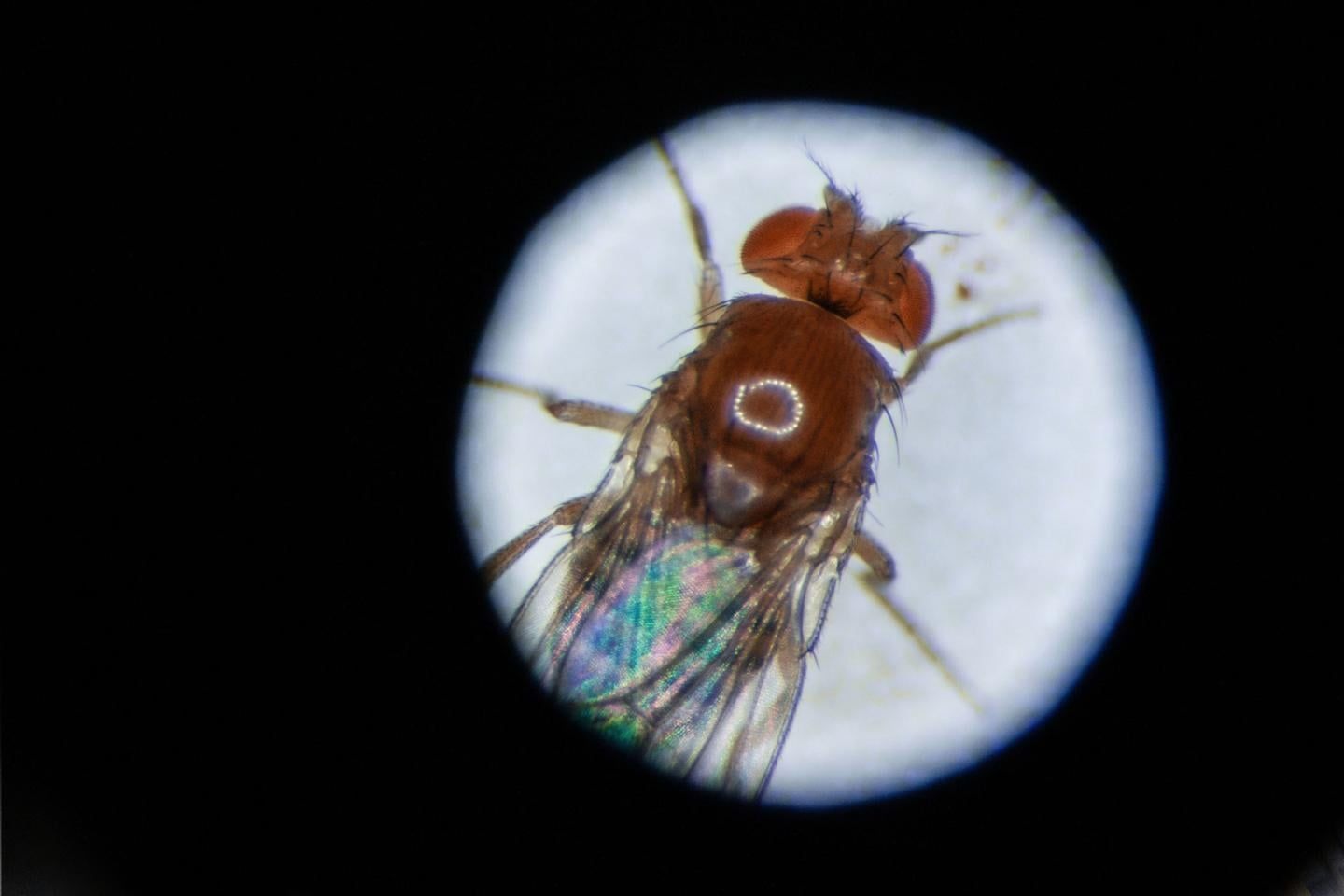
Every organism alive today evolved bathed in the steady background presence of Earth's magnetic field. While that invisible planetary envelope is widely recognized for shielding the atmosphere from cosmic radiation and guiding migrating birds, living cells also spend their entire existence immersed in its quiet pull. Biological processes inside cells rely on delicate chemical interactions, electrical gradients, and shifting energy balances. When that ambient planetary force is stripped away, the microscopic engines that power animal life appear to behave differently.
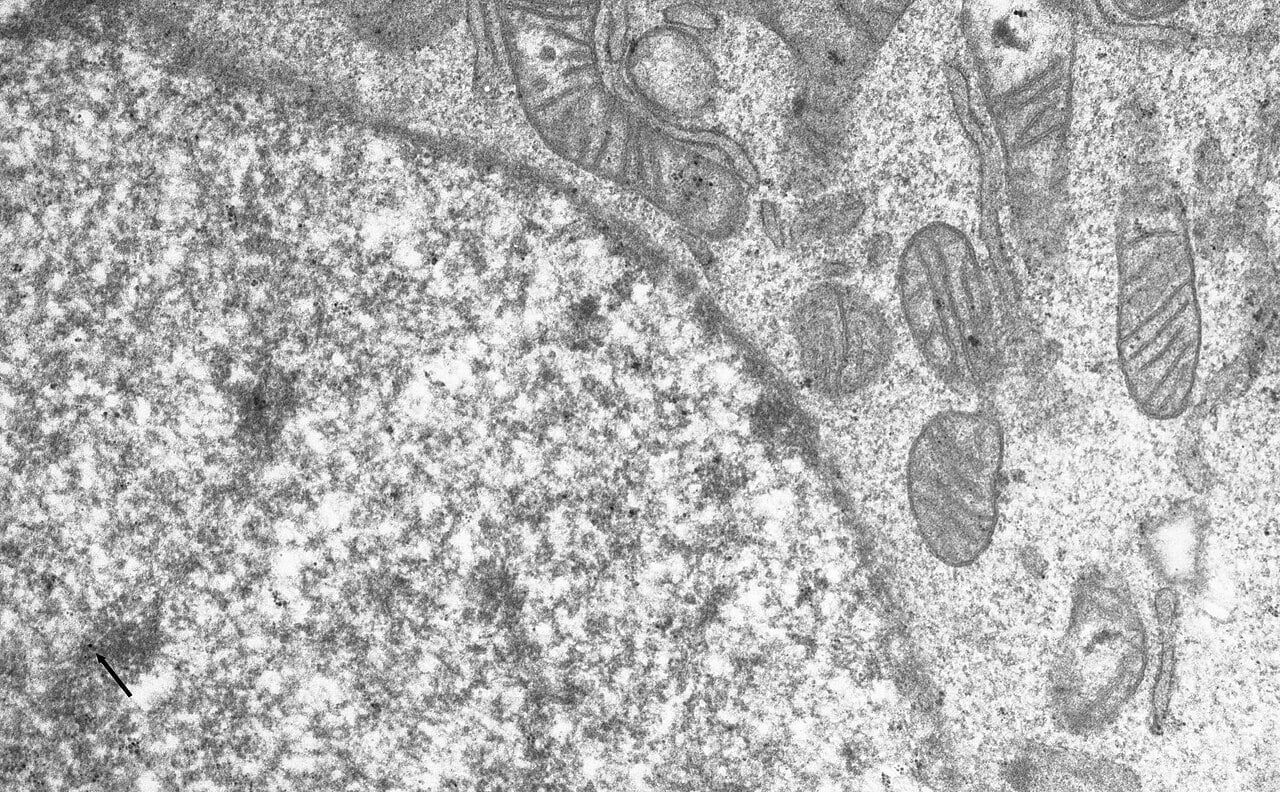
Understanding how physical forces shape metabolism matters because the inner workings of cellular energy production dictate both vitality and decay. Within animal tissues, mitochondria operate as metabolic engines, converting nutrients into usable chemical energy through a cascade of molecular handoffs. Over time, that machinery accumulates strain, leading to the gradual loss of cellular function that characterizes physical aging and degenerative disorders.
For energy to sustain a living body, cells must continuously process chemical fuels, transport electrons through dedicated protein structures, and keep damaging molecular byproducts under control. If a key gene in that maintenance chain fails, damaged mitochondria linger instead of being cleared away, accelerating tissue decay. Environmental conditions that slightly disturb electron transport can cause these energy systems to adjust their activity, shifting the balance between physical stamina and survival.
New laboratory research reveals that removing background geomagnetism can fundamentally alter that trade-off. In a study published in the journal Aging, researchers found that fruit flies with impaired cellular energy systems lived longer when shielded from natural magnetic forces, even as their physical performance dropped.1 Led by Lisa Chakrabarti, a professor at the University of Nottingham, the investigation tested whether the planet's magnetic environment plays an active role in regulating the cellular pace of life.1
How did the researchers test the effect of missing magnetism?
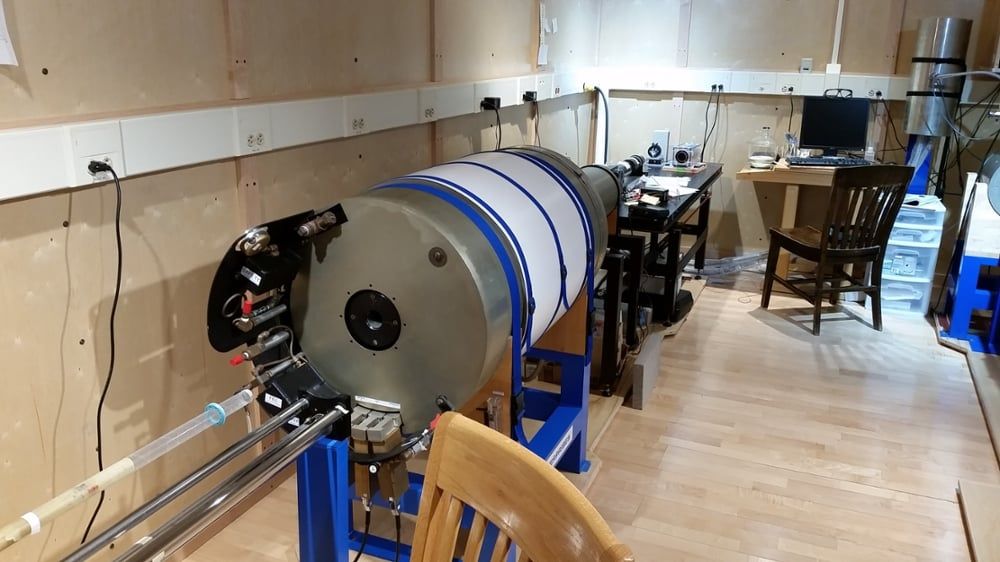
Researchers tested the phenomenon by placing male fruit flies inside specialized metal chambers that blocked almost all ambient geomagnetic force.1 At the surface of the planet, Earth's natural magnetic field typically measures between 25 and 60 microteslas.1 Inside the experimental shielding chambers, the field fell to approximately 0.0056 microteslas, creating an environment roughly 4,500 to 10,700 times weaker than normal conditions.1 Control groups lived outside the chamber under identical conditions of temperature, lighting, and ambient sound.1
The experiments compared two distinct biological groups of male insects: healthy standard flies and flies bred with an inactive Pink1 gene.1 In humans, mutations in the corresponding PINK1 gene lead to inherited forms of early-onset Parkinson's disease because cells lose their ability to remove defective mitochondria.1 Under normal circumstances, flies lacking functional Pink1 suffer from an accumulation of damaged mitochondria, leading to impaired movement and shortened survival.1
The timing of the environmental shift proved critical to the outcome. When the scientists placed 20-day-old mutant flies into the shielded chamber, the insects' risk of dying during the study fell by roughly half compared with mutant flies maintained under normal geomagnetic conditions.1 That reduction in mortality translated into a lifespan extension of approximately 20 percent for the shielded mutant insects.1 However, starting the shielding treatment earlier, when mutant flies were only 10 days old, yielded no statistically significant survival benefit.1
The prolonged survival came with an immediate physical compromise. Mutant flies already struggle with mobility as they grow older, and residing in the magnetically shielded environment made their climbing impairment noticeably worse.1 Healthy flies placed under the same shield displayed the reverse response: their climbing performance improved across several evaluated ages, yet their overall lifespan showed no statistically significant change.1
What changes inside the cell when the planetary field disappears?
Mitochondrial activity changed when the background magnetic field was removed, offering clues to why survival and mobility diverged.1 Inside healthy flies, the researchers recorded a significant increase in cellular respiration supported by Complex II, an enzymatic component of the mitochondrial respiratory chain that helps cells harvest energy from nutrients.1 Mutant flies displayed a comparable upward trend in Complex II activity, though that specific shift did not reach statistical significance.1
The research group also measured shifts in reactive oxygen species, including unstable molecules known as free radicals, by using an optical technique based on fluorescent nanodiamonds.1 While free radicals are frequently viewed solely as agents of cellular injury, living cells also deploy them as delicate signaling cues to adjust internal operations. The researchers suggested that the sudden absence of Earth's magnetic field may function as a mild cellular stressor, prompting mitochondrial machinery to mount a compensatory metabolic response that partly counteracts existing genetic defects.1
Earlier investigations into magnetic fields and animal longevity have produced diverse outcomes depending on exposure levels. In 2022, a study of Caenorhabditis elegans roundworms revealed that exposure to a static magnetic field of roughly 10 milliteslas extended median lifespan by 18 percent while simultaneously improving movement in older worms.1 However, that static field was hundreds of times stronger than Earth's natural environment, making it a fundamentally distinct physical test from the near-total removal of geomagnetism.
Conversely, shielding animals from planetary magnetism has triggered negative consequences in mammalian studies. Another 2022 experiment demonstrated that keeping mice in a hypomagnetic environment for eight weeks impaired cognitive function and disrupted reactive oxygen levels in the hippocampus.1 Furthermore, a 2023 study published in Nature evaluated more than 100,000 fruit flies across behavioral tests and found no convincing evidence that the insects could intentionally sense applied magnetic fields, casting doubt on direct behavioral magnetoreception.1
What can these laboratory findings actually tell us?
The findings represent a controlled laboratory observation in an insect model and cannot be interpreted as evidence that magnetic fields govern human longevity. The results reflect survival and physiological changes in male fruit flies under highly specific shielding conditions rather than a universal rule of animal health.1 Moreover, the proposed mechanism involving mild mitochondrial stress compensation remains an explanatory hypothesis that has not been definitively proven.1 Like any model of cellular aging, these laboratory experiments also leave open whether female flies or other animal lineages would respond in similar ways.
The divergent outcomes between healthy and genetically impaired insects also demonstrate that environmental changes rarely deliver uniform biological benefits. Extending the lifespan of mutant flies while accelerating the loss of their motor function underscores that longevity and physical fitness do not always improve together. For people outside the laboratory, the work highlights that background physical forces can exert subtle influences on cellular metabolism without functioning as simple health remedies.
Future investigations will need to clarify the exact molecular mechanisms through which weak magnetic variations influence enzymatic complexes in mitochondria. Researchers still need to determine whether the metabolic responses observed in insects occur in mammalian tissues or if they represent specialized physiological adaptations. For now, the experiment confirms that planetary forces shape living systems down to the microscopic mechanisms that power the cell.
What this rests on
24 sentences trace to 1 source.
-
1
TT
Tudor Tarita Document · zmescience.com · 12 Oct 2026 Scientists Shielded Fruit Flies From Earth’s Magnetic Field. Some Lived 20% Longer See the source