Children's science biographies risk alienating young readers with tales of natural genius
Popular books often depict scientific talent and curiosity as inborn traits, which psychological research suggests can discourage children who do not see themselves as effortless prodigies.
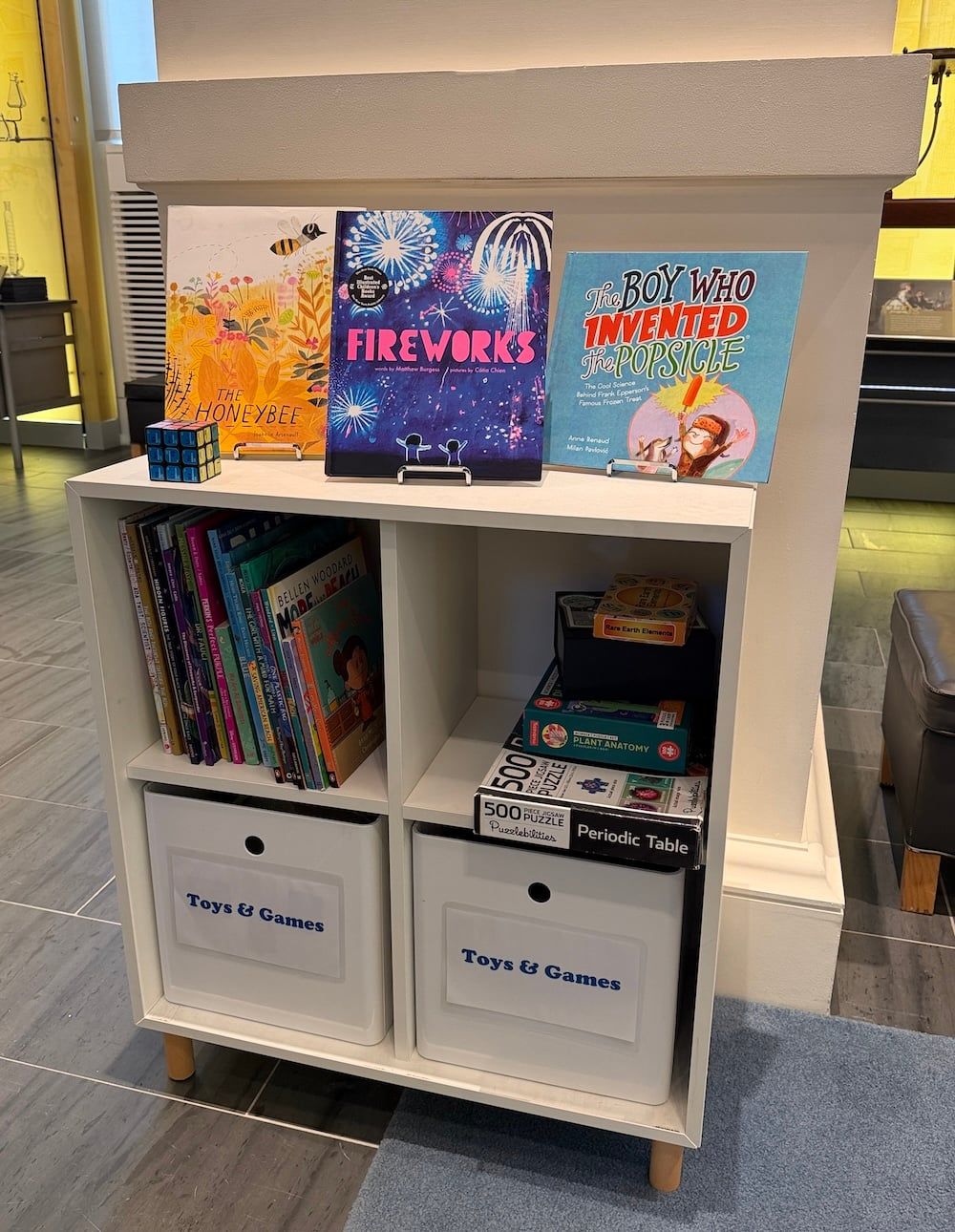
A popular story about a brilliant scientist usually begins with an extraordinary child. In picture books and early readers, historical figures frequently appear as miniature wonders who solved advanced puzzles before entering primary school, grasped the laws of the universe almost by instinct, and never wavered from an obsessive childhood passion. The implicit message offered to young readers is that scientific achievement belongs to people who were simply born different from everyone else.
When children read stories that treat achievement as an unchangeable gift, they often conclude that their own early struggles indicate a lack of ability. Psychological research on learning patterns identifies two fundamental ways people interpret aptitude.1 A growth mindset views ability as something that develops over time through mentorship, strategy, and deliberate effort.1 In contrast, a fixed mindset treats intelligence as an innate, unalterable endowment.1 When a child who holds a fixed view encounters confusion or failure, the experience feels like proof of permanent limitation, leading them to disengage from challenging subjects.
A study published in the Proceedings of the National Academy of Sciences suggests that bestselling biographies aimed at children frequently reinforce this discouraging perspective.1 Jessica Gladstone, an educational psychology professor at the University of Illinois Urbana-Champaign, examined the genre alongside Andrei Cimpian, a psychology professor at New York University, and Gabrielle Applebaum, a former research assistant at the same institution.1 The authors reported that many volumes present paths to discovery that inadvertently push young people away from scientific disciplines.1
How do bestselling biographies frame scientific ability?
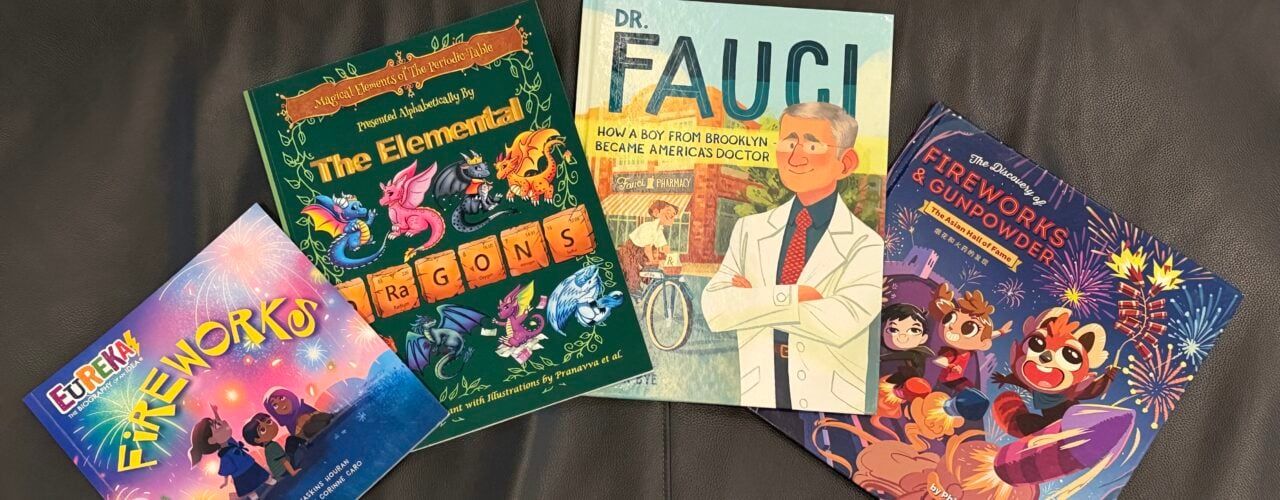
Bestselling children's science biographies split their depictions of aptitude evenly between natural ability and hard work, but they present curiosity as almost entirely innate.1 The research team examined 422 titles drawn from the top 500 bestselling children's science biographies on Amazon, evaluating depictions of 655 individual scientists.1 Within that sample, 59 percent of the scientists were male and 41 percent were female, while 76 percent were white and 24 percent belonged to other racial or ethnic groups.1 Many of the books did not address a protagonist's scientific ability or developing interests at all.1 Yet among the titles that explicitly discussed ability, portrayals of innate aptitude and learned skill appeared in roughly equal proportions.1 By contrast, the scientists' curiosity and passion for their disciplines were framed as inborn traits or interests that emerged in early childhood.1
This portrayal varied sharply across different scientific disciplines. In biographies of scientists working in physics, engineering, and computer science, the authors found that stories relied heavily on narratives of inborn talent.1 These disciplines coincide with the exact fields where the broader public already assumes that success requires innate genius, and where gender, racial, and ethnic representation gaps remain the widest.1 As Cimpian noted, “Biographies of scientists are an enormously popular genre,” giving these commercial volumes substantial influence over how young children conceptualize who belongs in technical careers.1
Why does effort cost more in stories about female scientists?
Stories about female scientists placed significantly greater weight on strenuous effort than those about their male peers, regardless of the discipline involved.1 The researchers found that biographies of women emphasized perseverance and hard labor even after controlling for the specific scientific field, the obstacles described in the narrative, and the gender of the book's author.1 The authors argue that this persistent imbalance creates a subtle double standard, implying that scientific achievement requires exceptional personal sacrifice from women while coming more naturally to men.1 The study found no comparable statistical pattern regarding the race or ethnicity of the scientists.1
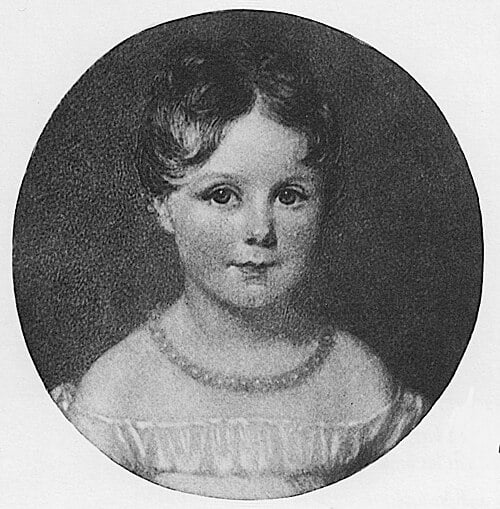
The contrast appears vividly in specific commercial titles. One biography analyzed in the study depicted Ada Lovelace filling notebooks with complex mathematical equations at age three.1 Gladstone pointed out that “Children are coloring and learning about numbers at age 3,” making such portrayals feel entirely out of reach for a normal child.1 By comparison, a biography of astrophysicist Neil deGrasse Tyson documented his early passions for boxing and ballet before showing how his scientific fascinations accumulated gradually over time.1
What are the limits of analyzing book text?
The study evaluates textual representation in commercial books, meaning it cannot directly measure how real children respond to individual titles. The findings represent a systematic content analysis of bestselling print products rather than a direct psychological trial tracking children's academic choices after reading. The research also relied on bestselling titles listed on a single commercial platform, which reflects consumer purchasing patterns in the United States rather than classroom curricula or international reading habits. Furthermore, the analysis evaluated whether themes of effort or inborn talent were present, which does not capture subtle differences in illustration style or narrative tone across different age categories.
Even with those analytical boundaries, the findings suggest concrete ways authors, educators, and publishers might reconsider how they depict scientific discovery. Gladstone argued that biographies could better inspire young readers by presenting scientific capability as a set of skills learned through practice, collaboration, and trial.1 Portraying false starts and dead ends as normal, informative stages of the investigative process would allow children to see that confusion is a regular part of scientific work.1 When scientific curiosity is presented as an interest that anyone can cultivate through gradual exploration, the path into the laboratory becomes accessible to readers who did not master equations in nursery school.
The record
24 sentences trace to 1 source.
-
1
S
scientificinquirer Document · scientificinquirer.com · 13 Oct 2026 Children’s Science Biographies May Discourage More Readers Than They Inspire See the source