European plant diversity dropped when the Black Death emptied medieval fields
Centuries of traditional patchwork farming created diverse European habitats that collapsed when plague swept the continent, challenging assumptions about human absence.
When human beings leave a landscape to itself, the common assumption is that wild nature rushes in to flourish. Forest canopies close over neglected clearings, untended clearings revert to scrub, and native vegetation reclaims ground lost to the plough. For decades, many conservation theories have treated people primarily as a source of damage, suggesting that the richest botanical communities exist where human disturbance never arrives or where people have entirely stepped away.
Yet Europe underwent one of the largest sudden departures of human labor in recorded history seven centuries ago, and the vegetation told an opposite tale. When bubonic plague depopulated the continent during the 14th century, vast tracts of arable land lay abandoned for generations.12 Rather than triggering a surge in wild plant varieties, the sudden retreat of agriculture caused botanical diversity across many European landscapes to drop steeply.
A study led by Jonathan Gordon, a paleoecologist at the University of York, reveals how deeply European plant communities had become entwined with medieval farming.12 Examining fossilized pollen preserved in peat bogs and lake sediments across the continent, Gordon and an international team of researchers found that floristic diversity declined markedly across the 150 years that followed the pandemic.23 The findings, published in the journal Ecology Letters, suggest that traditional agricultural disturbance was not an enemy of floral variety, but an engine that sustained it.23
Why did plant diversity fall when farmers disappeared?
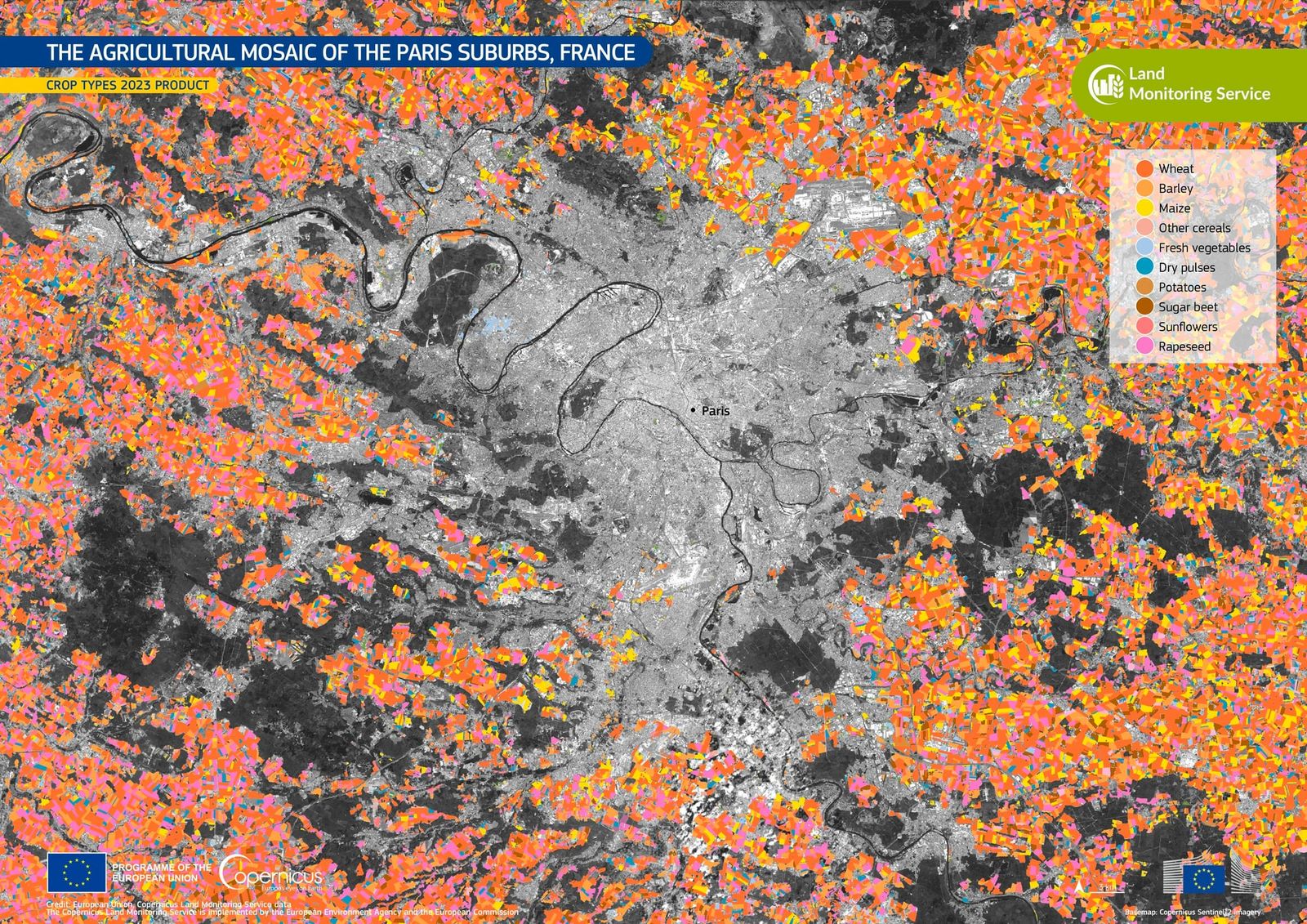
Plant diversity fell after the pandemic because centuries of traditional farming had assembled an intricate mosaic of open habitats that vanished once fields were neglected. A single medieval agrarian landscape did not consist of unbroken crops. Instead, peasant communities maintained small cereal strips beside grazed pastures, open heaths, woodlots, ponds, and patches of scrub. This varied patchwork created hundreds of microclimates and soil conditions in close proximity, offering homes to meadow grasses, pioneer weeds, and light-demanding herbs that could not survive under the dense shade of closed woodland.
When the plague bacterium, Yersinia pestis, swept across Europe between 1347 and 1353, it killed more than a third of the European population.12 The catastrophe came directly on the heels of the Great Famine of 1315 to 1317, when persistent cold, wet weather had caused widespread harvest failures and mass starvation.14 The resulting loss of human life broke the social fabric of rural communities. Without laborers to graze livestock, mow meadows, and cultivate ground, natural ecological succession took hold. Aggressive shrubs and pioneer trees expanded into untended clearings, creating uniform forest stands that gradually choked out the sunlit niches depended upon by smaller flowering plants.
The ecological decline was measurable and concentrated directly where agriculture ceased. Gordon and his colleagues calculated that in landscapes where agricultural activity declined following the plague, plant diversity dropped by approximately 40% relative to pre-plague baselines.14 The researchers noted that this contraction persisted for roughly a century and a half.12 Only when rural populations began to recover in the 16th century, bringing renewed grazing and plowing back to the countryside, did plant diversity climb back to levels slightly above where it stood before the pandemic arrived.1
How can ancient mud reveal changes in medieval vegetation?
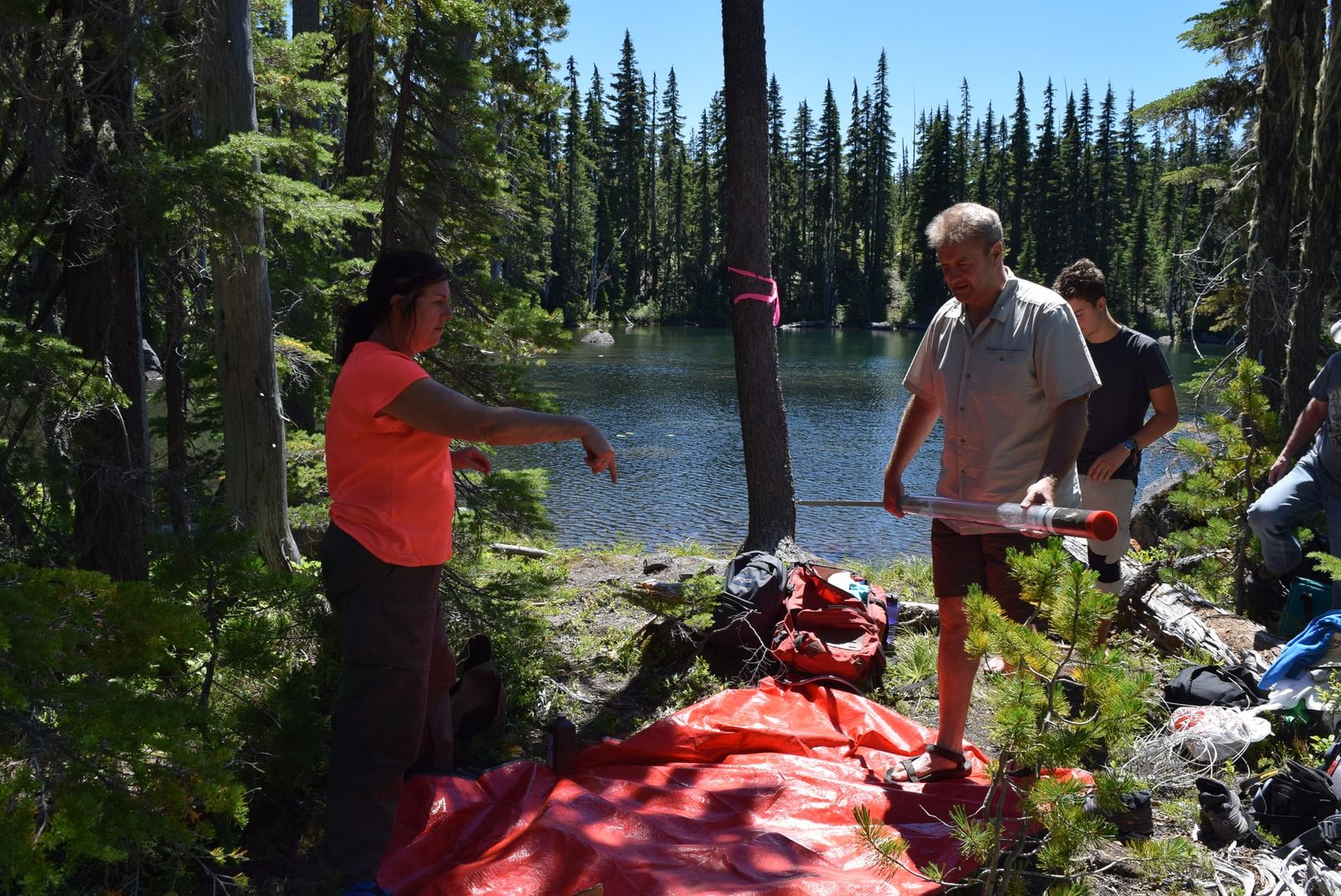
Ancient mud acts as an ecological ledger because windblown pollen settles into lake beds and wetland bogs, where lack of oxygen prevents organic material from decaying. Over centuries, new layers of sediment accumulate above older deposits, sealing grains of plant dust into chronological strata that researchers can extract using hollow coring drills. By identifying and counting distinct pollen grains preserved in each geological layer, scientists can reconstruct which plant families grew in the surrounding watershed during a specific historical decade.
To reconstruct European vegetation across the pandemic era, the researchers compiled 109 fossil pollen sequences from across the continent, encompassing approximately 4,600 individual sediment samples.31 The sampling sites spanned diverse ecological zones, stretching from the Atlantic lowlands of France and upland pastures in southwest Britain to the subalpine meadows of the Swiss Alps.14 Within these core samples, grains from cultivated cereal crops such as wheat, barley, and rye served as direct markers of human agrarian activity.14
The investigators sorted the pollen sequences into three distinct landscape categories: zones where cereal pollen increased, zones where cereal cultivation declined after the pandemic, and areas showing no historical evidence of cereal farming.14 This classification allowed the team to isolate the ecological consequences of human abandonment from wider regional climate swings. The botanical losses were not uniform across all ecosystems; they were driven overwhelmingly by the specific landscapes where human agricultural production had collapsed.13
What does the medieval collapse mean for modern conservation?
The historical findings do not mean that all human agriculture benefits nature, nor do they suggest that 21st-century agricultural practices foster ecological health. Modern industrial farming relies heavily on monoculture, the practice of planting a single crop across vast contiguous acreage, combined with synthetic fertilizers and intensive chemical weed control. Such homogeneous environments strip away hedgerows and wetlands, driving down wildlife. Twentieth-century human activities, including agricultural intensification, pollution, and climate change, reduced global biodiversity by up to 11% according to research cited in the study.14
The study also carries important interpretive constraints inherent to paleobotanical records. Fossil pollen grains reflect broad patterns of regional vegetation cover rather than fine-grained counts of every rare localized herb. In addition, pollen abundance cannot easily reveal functional diversity, the range of distinct biological roles that different plant species perform within an ecosystem, which determines how resilient plant communities remain under climatic shifts.14 The authors caution that the findings reflect the historical ecology of European agrarian systems and cannot be interpreted as an endorsement of modern chemical farming.
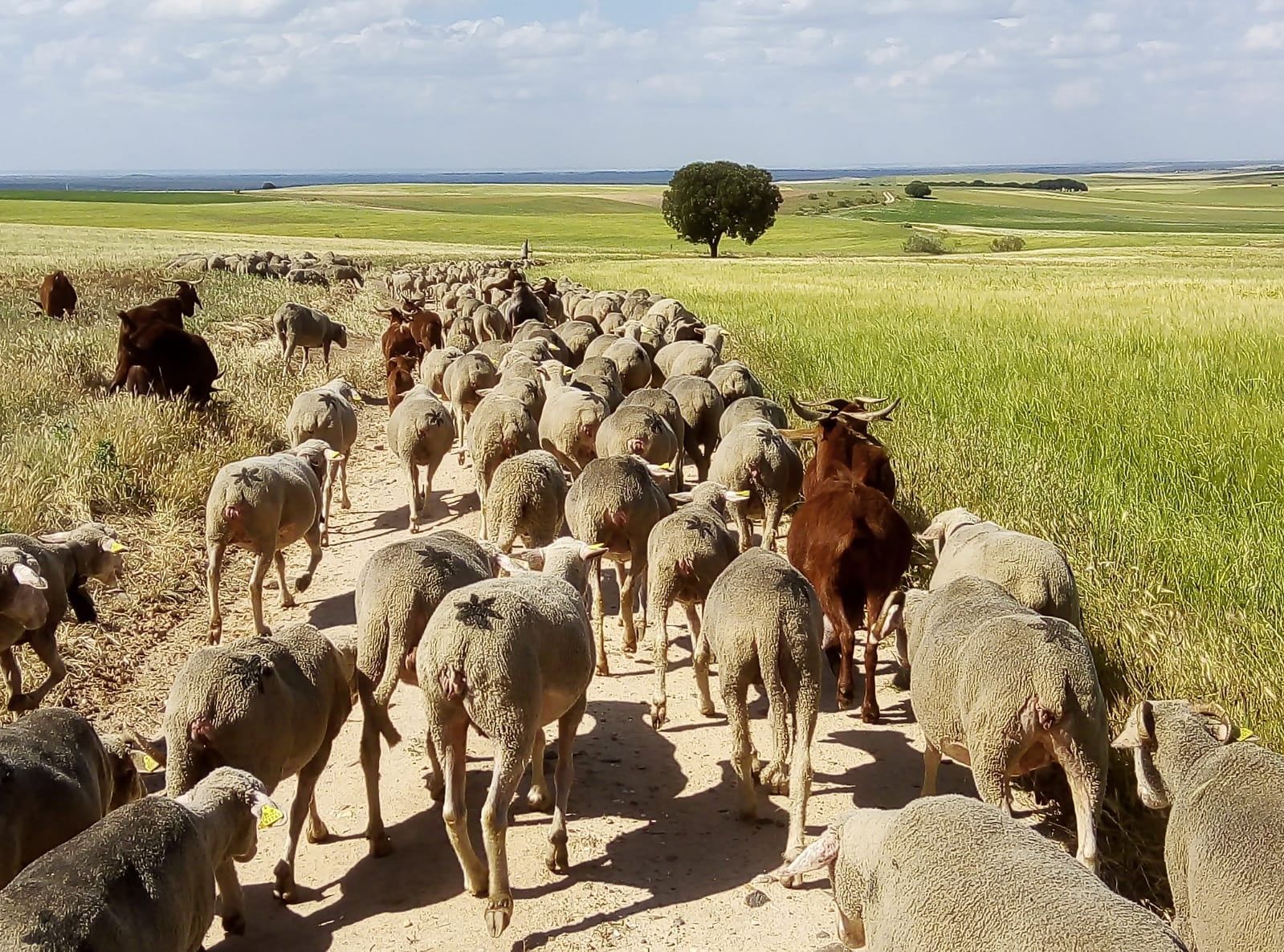
Instead, the study highlights how traditional, low-intensity land stewardship creates durable living systems. Traditional systems that balance human production with natural features, such as the Iberian dehesas, subalpine wood pastures, and Hungarian Tanya smallholdings, preserve structural complexity by weaving trees, pastures, and small fields into a continuous fabric.2 Modern rewilding strategies that advocate for the complete exclusion of human management risk losing the open-ground plant communities that evolved alongside millennia of mixed agrarian labor.
What questions remain about historic landscapes?
Crucial questions remain regarding how functional diversity shifted as human management waxed and waned across the centuries. A landscape may support dozens of distinct botanical species, but if those plants share identical physical traits and ecological roles, the underlying system may still possess low functional diversity. Researchers want to determine whether medieval mosaic farming preserved species that provided unique ecological buffers against drought, temperature fluctuations, and soil degradation.
Addressing that question requires pairing fossil pollen records with archaeological evidence of medieval animal husbandry, crop rotations, and soil management. By understanding how historical farming communities maintained productive fields alongside ancient woodland remnants, wetland ponds, and heathlands, conservationists hope to identify practical templates for contemporary agriculture. Integrating small-scale patchwork habitats into modern farming landscapes could allow food production to support biological diversity rather than eradicating it.
The record
17 sentences trace to 4 sources.
-
1
SW
Sarah Wild Document · livescience.com · 18 Oct 2026 Black Death had dramatic effect on species diversity as humans abandoned farmland, study finds See the source
-
2
Y
york.ac.uk Third-party reporting · york.ac.uk Black Death ‘rewilding’ did not boost biodiversity, study suggests See the source
- 3 Black Death land abandonment drove European diversity losses Not published online
-
4
S
sindexs.org Third-party reporting · sindexs.org Scientific Indexing Services See the source