Infections cause one in eight cancers worldwide and most are preventable
Widespread pathogens drive more than two million malignancies each year, yet targeted vaccination, screening, and antimicrobial therapies offer clear opportunities to curb the burden.
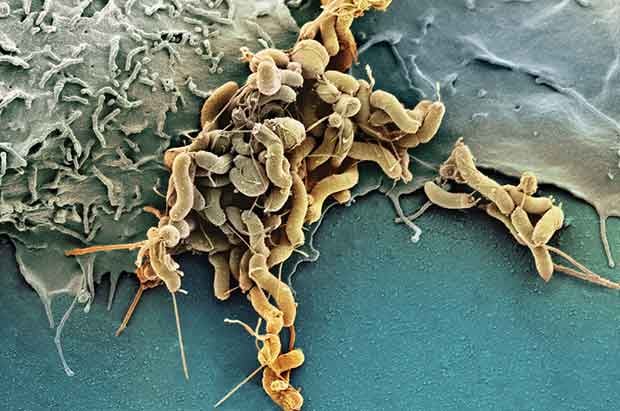
A malignant tumour is widely conceived as an internal breakdown, an unfortunate accumulation of random copying mistakes, inherited vulnerabilities, or exposure to physical carcinogens like tobacco smoke and ultraviolet radiation. Yet a significant fraction of human cancers begins with an unwelcome outside visitor. An invading microbe can quietly establish residence inside human tissue, evade the immune system for decades, and subvert the ordinary life cycle of host cells until tissue growth spins completely out of control.
When an external pathogen acts as the primary spark for malignancy, cancer stops being an inevitable biological failure and becomes a communicable risk. That distinction changes how the disease can be managed. If the initiating event is an infection, preventing or clearing that infection before irreversible cellular damage occurs can stop the cancer before it ever starts.
The biological sequence connecting a microbe to a tumour unfolds through distinct, orderly phases. A person is exposed to a pathogen that succeeds in avoiding immune clearance and settles into long-term residency. Once entrenched, the organism either inserts foreign genetic instructions directly into human cells or generates continuous local inflammation while attempting to survive. Over years of chronic irritation, host cells suffer repetitive DNA injuries and struggle to divide accurately during tissue repair. When cellular safeguards that normally destroy broken cells fail, the damaged lineage multiplies without restraint, eventually producing a detectable malignancy.
A major global assessment led by Harriet Rumgay and colleagues at the International Agency for Research on Cancer demonstrates the vast scale of this biological pathway.1 Published in The Lancet Oncology, the study evaluated worldwide cancer burden estimates from the agency's Global Cancer Observatory database for 2024.12 The analysis found that approximately 12 percent of all new cancer diagnoses worldwide in 2024, representing an estimated 2.3 million cases, were attributable to infectious agents.12
Which pathogens drive the majority of infection-related cancers?
Five infectious organisms cause the vast majority of cancer cases linked to microbes across the world. The paper reports that two pathogens alone account for two-thirds of the total infectious cancer burden: the bacterium Helicobacter pylori accounts for 4 percent of all new cancer cases worldwide, and human papillomavirus, or HPV, accounts for another 4 percent.2 Hepatitis B virus causes 2 percent of all cases, while Epstein-Barr virus is linked to 1 percent and hepatitis C virus is tied to under 1 percent.2
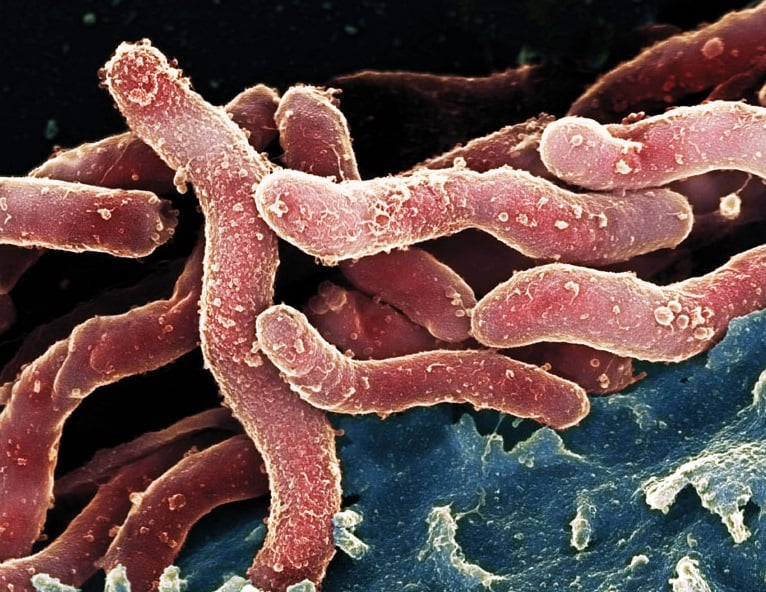
Together, these and other infectious agents trigger more than 20 distinct varieties of cancer, spanning malignancies of the stomach, liver, cervix, and blood.21 The study updated previous global models by evaluating newly confirmed connections, such as recent evidence linking Epstein-Barr virus with gastric cancer, which is stomach cancer, alongside established associations with nasopharyngeal carcinoma and lymphomas.1 The researchers also expanded their calculations to evaluate additional infectious agents, including HIV and Merkel cell polyomavirus.1
The biological mechanisms that drive these diseases divide broadly into two categories. Viruses alter host genetics directly by infiltrating the cells they infect.2 In some cases, a virus introduces an oncogene, which is a cancer-causing gene the pathogen acquired from past evolutionary interactions.2 In other instances, a virus inserts its own foreign DNA into the host genome, accidentally disrupting genes that regulate cell replication.2 A virus can also disable critical defence proteins, such as inactivating the TP53 protein that instructs heavily damaged cells to self-destruct, or disabling the retinoblastoma protein that commands resting cells to stop dividing.2
Bacteria and parasites operate through a different mechanism. Rather than directly rewriting cellular blueprints, organisms such as Helicobacter pylori, widely recognised for causing peptic ulcers, or Opisthorchis viverrini, a parasitic liver fluke worm, trigger long-lasting chronic inflammation.2 The immune system releases toxic defensive compounds that fail to clear the entrenched microbe, inadvertently inflicting continuous collateral damage on surrounding tissue.2 As the body rapidly divides stem cells to patch the constant structural damage, copying mistakes multiply, driving mutations that set tissue on the road to cancer.2
Why do infection-related cancers fall unevenly across the globe?
Infection-driven malignancies are concentrated heavily in low- and middle-income countries, where public health infrastructure frequently lacks the tools to detect and treat chronic pathogens early. The study highlights that around 75 percent of all cancer cases caused by infections were detected in low- and middle-income regions, reflecting profound global disparities in living conditions, sanitary infrastructure, and access to basic clinical care.2
These geographic disparities underline the practical gap between scientific discovery and disease prevention. The tools required to halt many of these cancers already exist in standard medicine. Inoculations against human papillomavirus protect against viral strains directly responsible for cervical cancer, while hepatitis B vaccines prevent chronic viral hepatitis that damages liver tissue over decades.2 Barrier protection such as condoms reduces transmission of sexually acquired viruses, and early diagnostic screening programs detect precancerous cellular lesions before invasive tumours develop.2
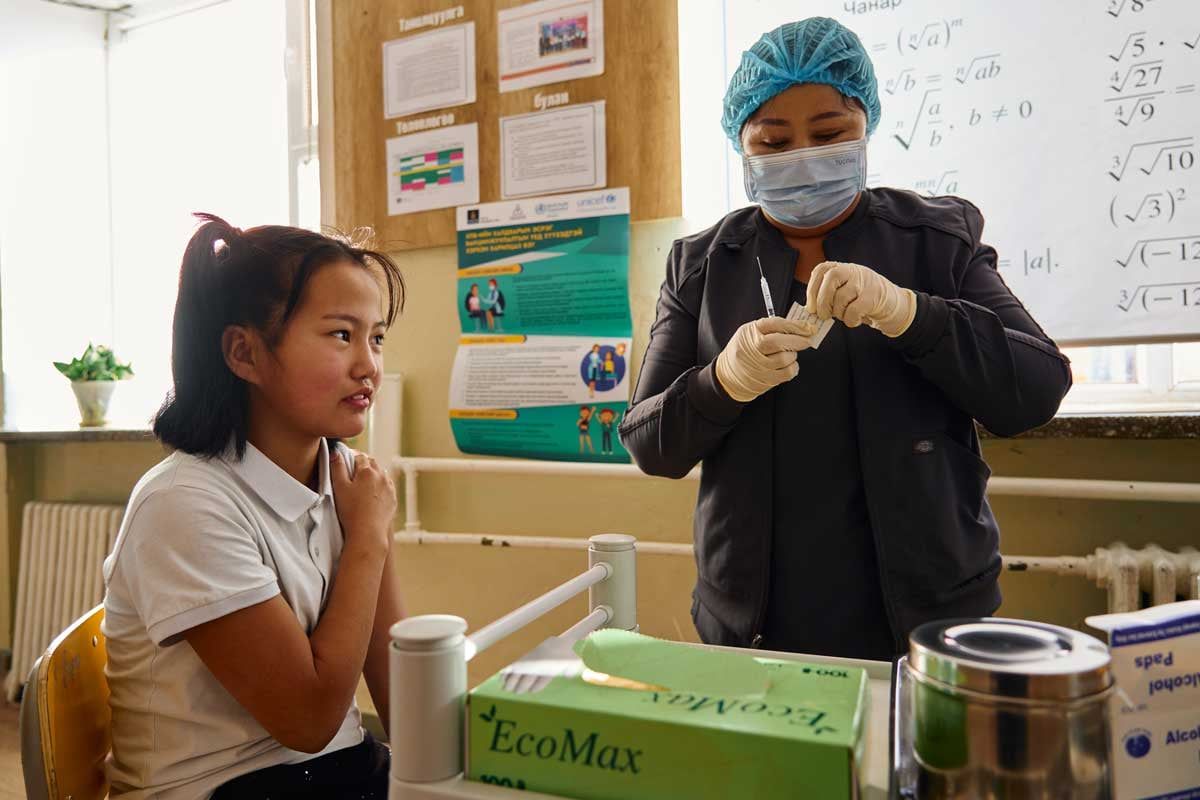
For established bacterial and viral infections, pharmaceutical therapies can eradicate the offending agent before malignant transformation takes hold.2 Simple antibiotic regimens can eliminate Helicobacter pylori to stop progressive gastric ulceration, modern direct-acting antivirals can cure chronic hepatitis C, and antiretroviral therapies suppress HIV to preserve host immune vigilance. In high-income settings with established preventive protocols, these interventions have produced dramatic reductions in disease incidence.
Australia provides a clear illustration of what comprehensive intervention can achieve. Australia introduced an adolescent human papillomavirus vaccination program in 2007, and HPV infections subsequently dropped by 90 percent among eligible individuals.2 Health authorities project that the nation could eliminate cervical cancer as a public health problem by 2035.2 However, maintaining population-level protection requires ongoing vigilance, as vaccination coverage among Australian 15-year-olds fell from 85.7 percent in 2020 to 79.5 percent in 2024, remaining below the World Health Organization target of 90 percent coverage for 15-year-old girls by 2030.2
What can the global cancer estimates tell us?
These findings provide a mathematical estimate of population-level cancer attribution, but they cannot predict individual clinical trajectories or represent direct real-time counts from every community. The numbers rely on epidemiological models and cancer registry data gathered across diverse global health systems, meaning their accuracy depends on the underlying quality of local diagnostic reporting and surveillance records.
Earlier research by some of the study authors estimated the proportion of cancers caused by infections in 1990, 2002, 2008, 2012, and 2018, reporting figures that reached as high as 18 percent in 2002.2 However, the authors stress that direct chronological comparisons cannot be made confidently against those historical figures, because data sources, diagnostic sensitivity, and reporting standards have evolved significantly over thirty years.2 The latest investigation did not aim to measure a historical trend across decades, but rather sought to identify specific opportunities where controlling infectious diseases can reduce current cancer incidence.2
The study also cannot capture unknown biological interactions or unmapped pathogens that may contribute to malignant transformations. While the investigated biological mechanisms reflect verified molecular pathways, researchers continue to evaluate how environmental exposures, nutritional status, and host genetics interact with chronic infections. What the estimates show with certainty is that millions of malignant cases do not arise purely from unmodifiable internal wear, leaving open a major avenue for international cancer control through infection prevention and equitable healthcare delivery.
The record
25 sentences trace to 2 sources.
-
1
I
iarc.who.int Third-party reporting · iarc.who.int Global burden of cancer attributable to infections in 2024: One in eight cancers worldwide linked to infections See the source
-
2
EL
Eddie La Marca Document · zmescience.com · 18 Oct 2026 Nearly 1 in 8 cancers worldwide are caused by infections. Many could be prevented See the source