Pennsylvania warns doctors about surge in congenital measles
State officials recorded 1,286 infections across 42 counties this year as hospitalizations reached 247 patients.
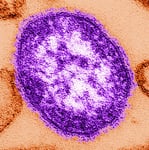
Pennsylvania public health officials issued an advisory alerting physicians to an increase in measles infections during pregnancy and cases of congenital measles, a clinical complication unrecorded in the United States for decades.12
The alert provides clinical management protocols for exposures and active infections among pregnant patients and newborn infants.1 The guidance arrives as an ongoing statewide outbreak expands across dozens of counties, overwhelming clinical systems that have rarely encountered the presentation in modern practice. Decades of routine measles, mumps, and rubella vaccination previously kept transmission negligible across domestic maternity wards.1 Slipped immunization coverage across under-vaccinated geographic clusters allowed the airborne pathogen to regain stable local transmission chains.1
State surveillance data compiled through October 19 confirmed 1,286 measles cases in Pennsylvania during 2026, spanning 42 counties.21 Hospitalizations tied to the pathogen reached 247 admissions.1 The state Department of Health recorded five confirmed measles-associated fatalities, while maintaining an active investigation into a sixth reported death in Franklin County to determine whether laboratory and timeline criteria match the official mortality definition.1 The initial death documented during the current statewide outbreak involved an infant boy who died immediately following birth while his mother suffered severe measles symptoms.1
Transmission pathways and neonatal damage
Maternal vulnerability concentrates among individuals lacking documented vaccination or past infection.1 Measles during gestation elevates baseline risks of maternal hospitalization, acute pneumonia, respiratory failure requiring mechanical ventilation, and death.1 Gestational infection also elevates rates of spontaneous miscarriage, intrauterine fetal demise, low birth weight, and spontaneous preterm delivery.12 Preventive vaccination cannot occur during pregnancy because the standard immunization formula relies on a live attenuated viral strain that introduces theoretical fetal transmission risks.12
When susceptible pregnant individuals experience direct viral exposure, clinicians administer intravenous immunoglobulin within a strict six-day therapeutic window to arrest systemic infection.12 Maternal viremia can transmit transplacentally in utero, during labor, or immediately postpartum, establishing congenital measles in the neonate.12 Infant presentations vary substantially in severity.1 While certain neonates show no immediate clinical markers, others progress rapidly to multisystem organ collapse and death.1
Clinical manifestations among infected infants frequently include high fever, jaundice, and atypical skin eruptions that diverge from standard pediatric measles rashes due to neonatal immune immaturity.1 Laboratory evaluations frequently detect severe thrombocytopenia alongside acute viral pneumonitis and central nervous system distress.1
Long-term neurological and immune risks
Infants surviving acute congenital illness face lasting immunological and neurological injuries.12 Measles virions systematically target memory lymphocytes, causing prolonged immune amnesia that strips established adaptive antibodies and leaves infants vulnerable to secondary opportunistic pathogens for years after recovery.1
Surviving children also carry life-threatening vulnerability to subacute sclerosing panencephalitis, a degenerative brain pathology caused by persistent mutant viral replication within cerebral tissue.1 The condition progresses insidiously, surfacing years after initial exposure through intractable seizure clusters, cognitive regression, loss of motor milestones, and terminal coma.1 State guidance directs clinicians to maintain multi-year neurological surveillance for every congenital case and train parents to detect early behavioral deterioration.1
Statewide intervention and clinical requirements
The state Department of Health mobilized field operations to contain transmission across affected municipalities. A designated Epidemic Intelligence Service officer from the Centers for Disease Control and Prevention deployed on site to Pennsylvania to run advanced epidemiological modeling, evaluating localized transmission trajectories and community incidence burden alongside state staff.3
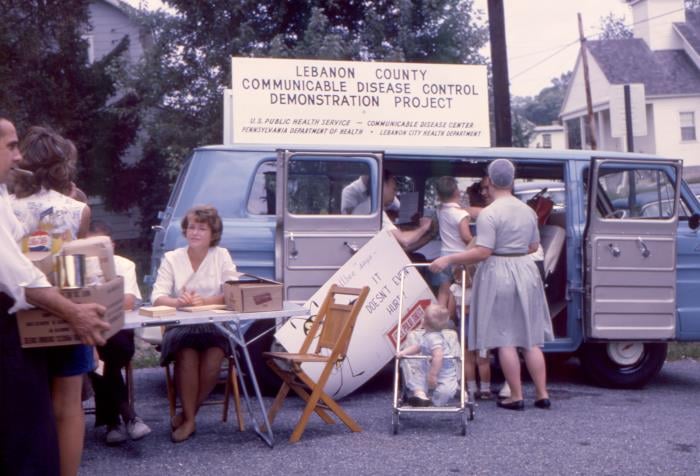
Approximately 300 state health department personnel, including 60 specialized field epidemiologists, manage local containment measures.2 Field teams organized 212 community pop-up vaccination sites across impacted areas since April, administering nearly 6,200 doses.23 In combination with permanent state health clinics, public health nurses administered more than 9,700 preventative doses this year.23 Commercial and hospital providers across Pennsylvania administered over 56,000 doses in September and an additional 23,000 doses through mid-October, exceeding typical baseline volumes of 25,000 monthly doses.23
State health guidelines direct healthcare personnel caring for pregnant patients or neonates with suspected measles to submit immediate telephone reports to municipal health authorities or state response hotlines. Health officials recommend a supplementary early dose of the vaccine for non-immune infants aged six through 11 months traveling through or residing within jurisdictions with sustained transmission, prior to initiating the routine two-dose schedule at 12 months.23
The record
29 sentences trace to 3 sources.
-
1
BM
Beth Mole Document · arstechnica.com · 19 Oct 2026 Pennsylvania issues alert on congenital measles—something US hasn't seen for decades See the source
-
2
P
pa.gov Press release · pa.gov Pennsylvania Department of Health Provides Statewide Update on Measles Outbreak as Cases Reach 1,286 in 42 Counties See the source
-
3
P