Sauna heat exposure shifts blood epigenetic markers in firefighters
Repeated sessions in a portable sauna altered biological aging markers in firefighter blood, though shifting immune cell mixtures complicate whether the heat slowed cellular aging.
Subjecting the human body to brief, non-lethal physical stress can prompt cells to activate protective maintenance pathways. In laboratory animals, mild heat exposure has been shown to extend lifespan, while human observational surveys have linked regular sauna bathing to reduced cardiovascular risk and better age-related health outcomes.1 Scientists have long examined whether these physiological responses leave a measurable signature inside human cells, particularly in workers who face high levels of physical and environmental stress.
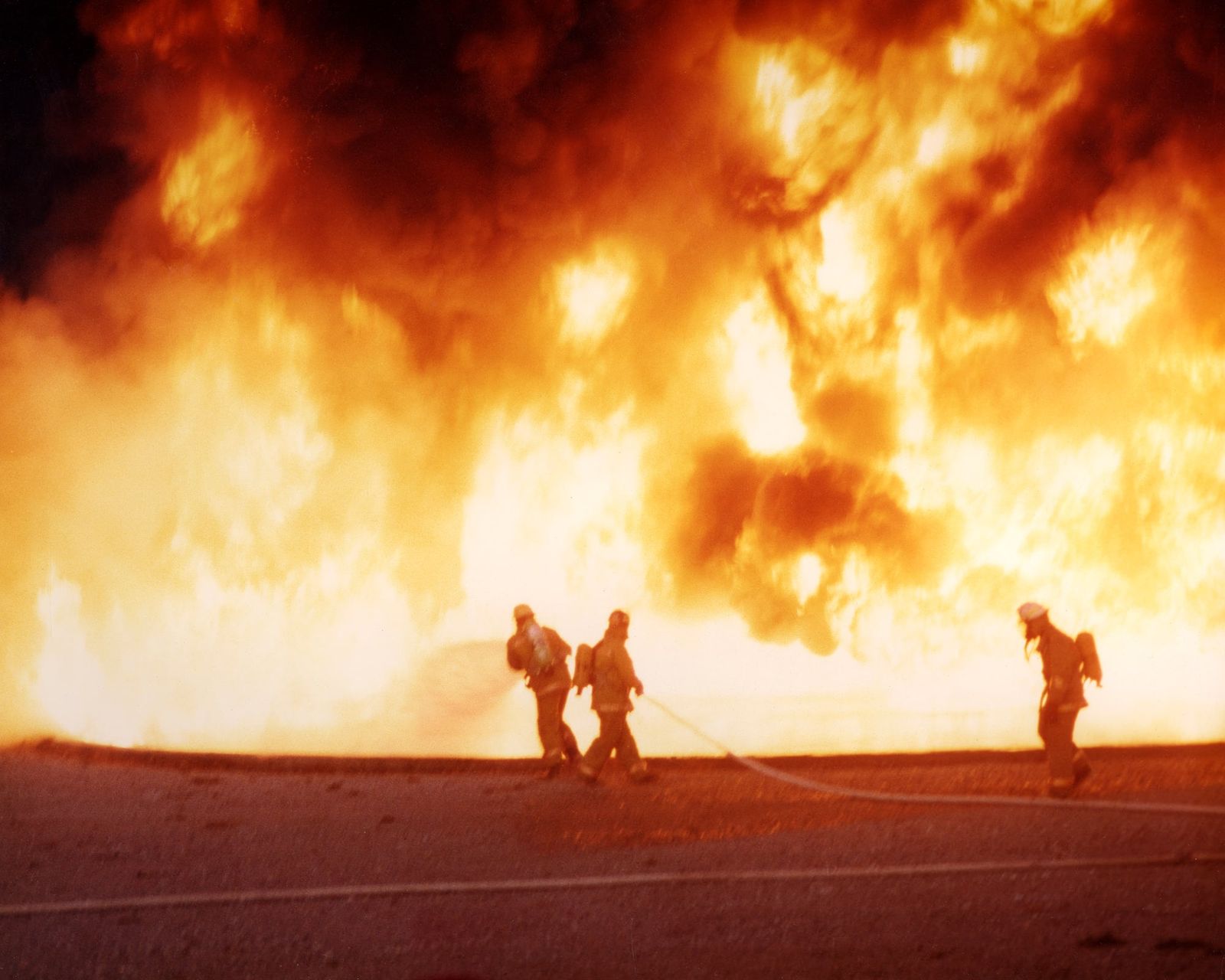
Firefighters routinely operate in punishing environments, absorbing heat, smoke, and physical strain that test the body's resilience. Understanding how heat affects the molecular machinery of aging in these workers could help clarify whether thermal therapies aid physical recovery or alter cellular maintenance over time. If passive heat exposure produces systemic cellular adjustments, those changes should be detectable in circulating blood.
The biological sequence begins when high temperatures prompt cells to mount a protective stress response. In response to heat, specialized cellular mechanisms shield fragile proteins and adjust gene activity to counter cellular wear. As cells adapt, small chemical tags called methyl groups attach to or detach from specific locations along the DNA sequence, altering gene expression without altering the genetic code itself. Because whole blood carries circulating immune cells that reflect systemic strain, tracking these DNA methylation patterns allows researchers to estimate biological aging rates across different organ systems.
How can heat exposure alter molecular markers of aging?
Heat acts as a mild cellular challenge that stimulates adaptive recovery pathways rather than causing permanent damage. Researchers describe this response as hormesis, a process where a small dose of stress trains cells to handle subsequent physiological strain. In an exploratory preprint posted on the bioRxiv server, lead author V. B. Dwaraka and colleagues tracked whether regular thermal sessions could alter whole-blood methylomic patterns over several months.12
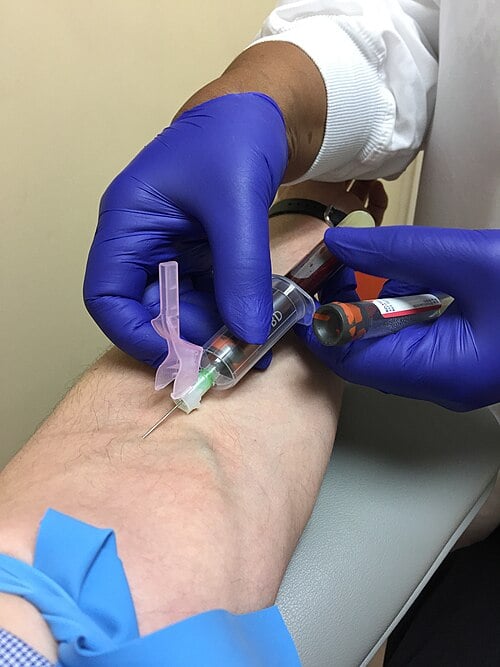
The paper reports an analysis of blood samples collected from 18 firefighters who used a portable sauna over an intervention window spanning 8 to 18 weeks.1 To provide descriptive context, the researchers evaluated a separate baseline comparison group of 36 matched adults.1 According to the preprint, the firefighters initially showed higher DNA methylation estimated maximal oxygen uptake, lower AdaptAge scores, and higher DamAge scores than the matched group.1
Study author Varun told Primary that this initial profile reflected baseline occupational conditions rather than a treatment effect. Varun said in response to questions from Primary that the data appeared to capture two distinct sides of firefighter physiology, with higher cardiorespiratory fitness accompanied by elevated wear indicators from intense exertion and environmental smoke. Co-author Adiv Johnson told Primary that DamAge was trained to reflect accumulated epigenetic wear over time as a "wear-and-tear" model, whereas the estimated oxygen uptake metric captures aerobic conditioning. Johnson noted that this baseline divergence aligns with occupational demands, as firefighters routinely undergo rigorous physical training while absorbing chronic environmental hazards. Varun added that the comparison group was processed separately, meaning the baseline divergence remains descriptive.1
Across the 8 to 18 weeks of portable sauna use, eight epigenetic predictors met a false discovery rate significance threshold below 0.05 after adjusting for age and sex.1 These included measures of estimated telomere length, blood systems age, lung systems age, pulse pressure, high-density lipoprotein cholesterol, cystatin C, depression risk scores, and dehydroepiandrosterone sulfate.1 Seven of these markers shifted in directions consistent with changes previously documented after high-intensity interval training, while the dehydroepiandrosterone sulfate predictor increased.1
Addressing that split, Varun explained that the dehydroepiandrosterone sulfate predictor initially declined following an acute session before reversing course across the longer follow-up window. Varun noted that this hormone typically declines with chronic strain, so an increase after months of use is consistent with an adaptive rebound where the body overcompensates after repeated exposure. Johnson noted that passive heat exposure and vigorous exercise represent fundamentally different physiological stimuli, but observed that shared signs of epigenetic hormesis suggest a portion of the cellular response overlaps. However, Varun cautioned that this marker also lost statistical significance once immune cell proportions were controlled.
What did the firefighter blood samples reveal?
The blood analyses revealed widespread but subtle molecular adjustments across the genome rather than isolated major shifts. In their evaluation of individual cytosine-phosphate-guanine sites, which are specific genomic points where methyl groups attach to DNA, the authors applied empirical null calibration.1 That test retained 126 acute candidate sites and 329 long-term candidate sites at a nominal significance threshold of P less than 0.0001, though none of the individual sites remained statistically significant after full false discovery rate correction.1
Asked about that lack of probe-level significance, Varun said the mathematical burden of testing roughly 918,000 sites across 11 paired long-term samples restricted statistical power. Varun explained that regional analysis resolves this limitation by aggregating evidence across adjacent locations rather than demanding that individual sites clear genome-wide correction alone. Johnson told Primary that scanning for differentially methylated regions is a standard approach in molecular biology, serving as an epigenetic parallel to differential gene expression profiling.
Looking at clusters of adjacent sites using a regional analysis tool, the researchers identified five acute and 140 long-term differentially methylated regions meeting a harmonic mean false discovery rate threshold below 0.05.1 An analysis of biological pathways also showed long-term enrichment in genes associated with ATP-binding cassette transporters, with a false discovery rate of 0.026.1 These transport proteins move various metabolic molecules across cellular membranes, suggesting that sustained heat exposure may touch active nutrient and waste transport systems.
Varun observed that these transport pathways manage cellular waste and oxidative stress, which arise naturally during heat exposure. Varun pointed out that several identified genes connect to cellular defense networks, including regulators known to work with heat-shock transcription factors to manage stress across membrane and mitochondrial compartments. Johnson noted that ATP-binding cassette transporters participate in processes including toxin export, calling the enrichment an intriguing thread given common theories regarding sauna detoxification.
Why does immune cell composition complicate the findings?
Changes in blood methylation can reflect shifts in the proportion of circulating white blood cell subtypes instead of altered aging clocks within individual cells. When Dwaraka and colleagues adjusted their models to account for a 12-cell leukocyte composition, none of the eight previously identified epigenetic aging predictors maintained statistical significance below the false discovery rate threshold.1 The authors noted that while statistical significance was lost under this leukocyte adjustment, the estimated effect sizes were not uniformly wiped out across all candidate markers.1
Johnson told Primary that the loss of significance under leukocyte adjustment suggests the observed epigenetic changes stemmed from alterations in circulating immune cell proportions. Johnson described this shift as meaningful exploratory evidence of immune cell remodeling in response to repeated heat stress. Varun said resolving this ambiguity requires physically separating immune cell subtypes before performing sequencing, rather than relying on mathematical adjustments on mixed whole blood. Johnson agreed, telling Primary that physically isolating cell subsets allows scientists to separate true intracellular epigenetic modification from changing cell type mixtures in circulating blood.
Isolating specific cells, such as regulatory T cells or memory B cells, would ensure that any observed methylation movement represents intrinsic cellular changes rather than shifts in which cells are circulating in the bloodstream. Varun noted that regulatory T cells showed the strongest compositional trend after long-term sauna use in their exploratory breakdown, providing a natural starting point for future targeted assays.
How can future trials verify whether heat slows cellular aging?
Future investigations require controlled clinical protocols with rigorous tracking to confirm whether passive heat genuinely influences cellular aging clocks. The current findings come with clear structural boundaries. This study was an exploratory, single-arm retrospective pilot trial involving only 18 individuals, and it did not include a concurrent randomized control group receiving an identical protocol without heat. The preprint was posted to bioRxiv on September 9, 2026, and has not undergone formal peer review.2 As a preliminary observational analysis, the data demonstrate statistical associations in circulating blood markers during sauna use, but they cannot prove that heat alone caused the observed methylomic shifts.
Protocol compliance also varied among participants. Varun noted that the 8 to 18 week timeframe stemmed from variable follow-up draw dates in a home-based program rather than a deliberate dose-testing schedule. Logging was voluntary, and among the eight participants with linkable records, logged sessions ranged from 1 to 32, yielding a median of about 15 sessions over the observation period. Johnson told Primary that tracking exposure dosage is essential, noting that thermal interventions depend heavily on frequency and duration to generate measurable physiological adaptations.
The practical implication is that blood-based epigenetic clocks must be interpreted with caution in lifestyle intervention research. Thermal stress causes acute shifts in immune cell trafficking, meaning that routine blood draws may capture changing leukocyte distributions rather than permanent epigenetic reprogramming. Future investigations will need prospective designs and larger randomized cohorts to establish whether portable sauna use produces durable biological benefits.
The record
38 sentences trace to 2 sources and 2 contributors.
-
1
DV
Dwaraka, V. B., Johnson, A. A., Seale, K., Kahal, N., Sheikh, D., Morrissey, S., Smith, R. Paper · biorxiv.org · 9 Sep 2026 Whole-blood DNA-methylation patterns during portable-sauna use in firefighters: an exploratory, single-arm pilot study Preprint · may not have been peer reviewed See the source
-
2
B
- 3 Contribution — Varun 21 statements added to this article
- 4 Contribution — Adiv Johnson 9 statements added to this article
Other consulted pages1 page
medrxiv.org1 page
Article history
-
Published 21 Oct 2026, 01:26Assembled by the Primary desk from 2 sources · 2 contributors · 38 cited sentences
-
Adiv Johnson
- Go to the sentence: Co-author Adiv Johnson told Primary that DamAge was trained to reflect accumulated epigenetic wear over time as a "wear-and-tear" model, whereas the estimated oxygen uptake metric captures aerobic conditioning.
- Go to the sentence: Johnson noted that this baseline divergence aligns with occupational demands, as firefighters routinely undergo rigorous physical training while absorbing chronic environmental hazards.
- Go to the sentence: Johnson noted that passive heat exposure and vigorous exercise represent fundamentally different physiological stimuli, but observed that shared signs of epigenetic hormesis suggest a portion of the cellular response overlaps.
- Go to the sentence: Johnson told Primary that scanning for differentially methylated regions is a standard approach in molecular biology, serving as an epigenetic parallel to differential gene expression profiling.
- Go to the sentence: Johnson noted that ATP-binding cassette transporters participate in processes including toxin export, calling the enrichment an intriguing thread given common theories regarding sauna detoxification.
- Go to the sentence: Johnson told Primary that the loss of significance under leukocyte adjustment suggests the observed epigenetic changes stemmed from alterations in circulating immune cell proportions.
- Go to the sentence: Johnson described this shift as meaningful exploratory evidence of immune cell remodeling in response to repeated heat stress.
- Go to the sentence: Johnson agreed, telling Primary that physically isolating cell subsets allows scientists to separate true intracellular epigenetic modification from changing cell type mixtures in circulating blood.
- Go to the sentence: Johnson told Primary that tracking exposure dosage is essential, noting that thermal interventions depend heavily on frequency and duration to generate measurable physiological adaptations.
-
Varun, study author
- Go to the sentence: The paper reports an analysis of blood samples collected from 18 firefighters who used a portable sauna over an intervention window spanning 8 to 18 weeks.
- Go to the sentence: According to the preprint, the firefighters initially showed higher DNA methylation estimated maximal oxygen uptake, lower AdaptAge scores, and higher DamAge scores than the matched group.
- Go to the sentence: Study author Varun told Primary that this initial profile reflected baseline occupational conditions rather than a treatment effect.
- Go to the sentence: Varun said in response to questions from Primary that the data appeared to capture two distinct sides of firefighter physiology, with higher cardiorespiratory fitness accompanied by elevated wear indicators from intense exertion and environmental smoke.
- Go to the sentence: Varun added that the comparison group was processed separately, meaning the baseline divergence remains descriptive.
- Go to the sentence: Seven of these markers shifted in directions consistent with changes previously documented after high-intensity interval training, while the dehydroepiandrosterone sulfate predictor increased.
- Go to the sentence: Addressing that split, Varun explained that the dehydroepiandrosterone sulfate predictor initially declined following an acute session before reversing course across the longer follow-up window.
- Go to the sentence: Varun noted that this hormone typically declines with chronic strain, so an increase after months of use is consistent with an adaptive rebound where the body overcompensates after repeated exposure.
- Go to the sentence: However, Varun cautioned that this marker also lost statistical significance once immune cell proportions were controlled.
- Go to the sentence: That test retained 126 acute candidate sites and 329 long-term candidate sites at a nominal significance threshold of P less than 0.0001, though none of the individual sites remained statistically significant after full false discovery rate correction.
- Go to the sentence: Asked about that lack of probe-level significance, Varun said the mathematical burden of testing roughly 918,000 sites across 11 paired long-term samples restricted statistical power.
- Go to the sentence: Varun explained that regional analysis resolves this limitation by aggregating evidence across adjacent locations rather than demanding that individual sites clear genome-wide correction alone.
- Go to the sentence: Looking at clusters of adjacent sites using a regional analysis tool, the researchers identified five acute and 140 long-term differentially methylated regions meeting a harmonic mean false discovery rate threshold below 0.05.
- Go to the sentence: An analysis of biological pathways also showed long-term enrichment in genes associated with ATP-binding cassette transporters, with a false discovery rate of 0.026.
- Go to the sentence: Varun observed that these transport pathways manage cellular waste and oxidative stress, which arise naturally during heat exposure.
- Go to the sentence: Varun pointed out that several identified genes connect to cellular defense networks, including regulators known to work with heat-shock transcription factors to manage stress across membrane and mitochondrial compartments.
- Go to the sentence: When Dwaraka and colleagues adjusted their models to account for a 12-cell leukocyte composition, none of the eight previously identified epigenetic aging predictors maintained statistical significance below the false discovery rate threshold.
- Go to the sentence: Varun said resolving this ambiguity requires physically separating immune cell subtypes before performing sequencing, rather than relying on mathematical adjustments on mixed whole blood.
- Go to the sentence: Isolating specific cells, such as regulatory T cells or memory B cells, would ensure that any observed methylation movement represents intrinsic cellular changes rather than shifts in which cells are circulating in the bloodstream.
- Go to the sentence: Varun noted that regulatory T cells showed the strongest compositional trend after long-term sauna use in their exploratory breakdown, providing a natural starting point for future targeted assays.
- Go to the sentence: Varun noted that the 8 to 18 week timeframe stemmed from variable follow-up draw dates in a home-based program rather than a deliberate dose-testing schedule.