Marine viruses face narrower environmental limits than the bacteria they infect
Shifts in ocean temperature, salinity and acidity can stall the viruses that control pathogenic marine bacteria, potentially enabling localized microbial blooms as coastal waters fluctuate.
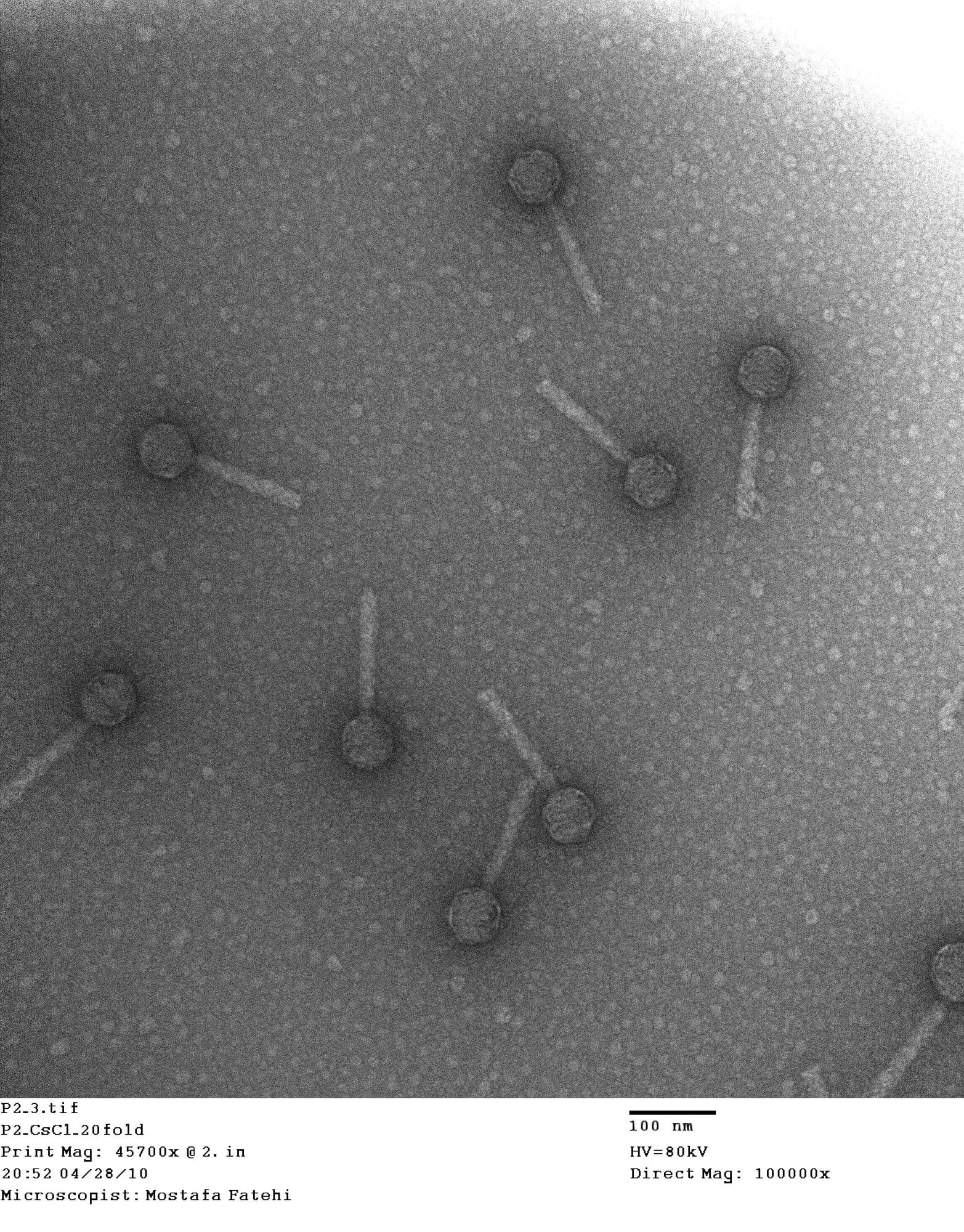
In coastal waters across the globe, bacterial populations are held in check by specialized predatory viruses known as bacteriophages. These viruses outnumber their bacterial hosts and act as continuous regulators of marine microbial abundance. Yet as seasonal weather extremes alter coastal water temperatures, acidity, and salinity, the delicate biological balance between predator and prey can tilt unexpectedly. When ocean waters warm or shift in chemical balance, bacteria often continue multiplying while the viruses that hunt them struggle to replicate.
This dynamic carries direct consequences for marine ecosystems, global aquaculture, and human public health. Members of the bacterial genus Vibrio inhabit estuaries and coastal seas worldwide, functioning as sensitive biological barometers of ocean change.1 Certain Vibrio species also cause severe disease. Vibrio parahaemolyticus represents a major global cause of human gastroenteritis contracted through raw or undercooked shellfish, while Vibrio anguillarum infects dozens of fish species, generating substantial mortality in commercial aquaculture facilities. If environmental fluctuations allow these bacterial populations to outpace their natural viral controls, pathogenic blooms can emerge more readily.
The biological reason for this vulnerability lies in the sequential nature of viral reproduction. A bacteriophage cannot generate its own energy or synthesize proteins independently. To replicate, the viral particle must first drift into contact with a susceptible bacterial cell and bind to specific receptor structures on the outer membrane. The phage then injects its genetic material across the bacterial cell wall. Once inside, the viral genes take control of the host cell metabolic machinery, repurposing bacterial enzymes and nucleotides to synthesize new viral genomes and structural proteins. These components assemble into intact daughter phages over a resting window called the latent period. Finally, specialized viral enzymes break open the bacterial cell wall, releasing a burst of newly formed phages to infect adjacent cells. Because every phase of this cycle relies entirely on host biochemistry and delicate viral protein conformations, changes in ambient temperature, acidity, or salt concentration can disrupt viral assembly even when the host bacterium remains capable of basic cellular survival.
How do environmental extremes alter viral replication windows?
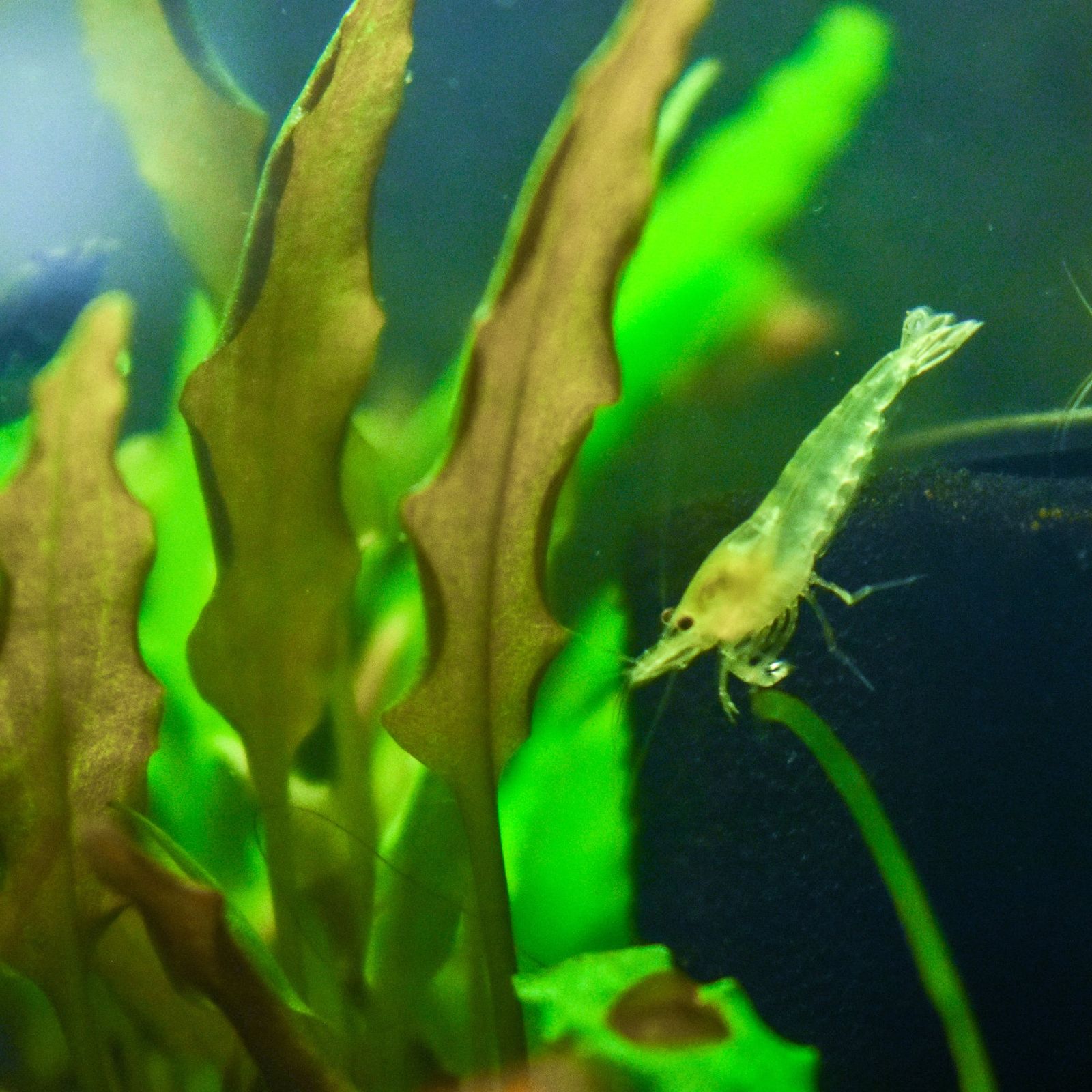
Oceanic phages replicate across noticeably narrower ranges of temperature, pH, and salinity than the host bacteria they infect, according to a study published in Frontiers in Microbiology by researchers investigating marine vibriophages.1 The research team isolated a previously uncharacterized lytic bacteriophage, named PvVp2, from Pacific white shrimp, Penaeus vannamei, exhibiting signs of acute hepatopancreatic necrosis disease in Baja California Sur, Mexico. The authors characterized this phage against the pandemic KX strain of Vibrio parahaemolyticus, an O3:K6 clone responsible for global gastroenteritis outbreaks since the mid-1990s. The authors then compared its physiological limits against phage CHOED, a lytic virus originally isolated from mollusks in southern Chile that targets the cold-adapted aquaculture pathogen Vibrio anguillarum strain PF4.
Through systematic laboratory trials, the paper reports that both phages operated within much narrower environmental envelopes than their respective hosts.1 While the host bacteria maintained cell division across broad physiological gradients, phage replication ceased abruptly outside optimum zones. In temperature trials, phage PvVp2 replicated efficiently from 22 degrees Celsius to 40 degrees Celsius, matching the warm-water preference of Vibrio parahaemolyticus.1 In contrast, phage CHOED replicated only between 14 degrees Celsius and 30 degrees Celsius, reflecting the cooler native waters of Vibrio anguillarum.1 When ambient conditions drifted away from these thermal optima, the phages suffered severe kinetic penalties: their latent periods lengthened substantially, while the burst size, representing the total number of infectious viral progeny released per ruptured cell, dropped sharply.1
The investigators also tested viral performance across wide salinity gradients, spanning 0% to 10% weight per volume, and across pH levels ranging from 3 to 9.1 The host bacteria demonstrated resilience across substantial portions of these ranges, but the phages exhibited sharp replication drop-offs at chemical extremes. Deviations in pH or salt content impaired viral replication kinetics long before completely stopping host bacterial metabolism. In 24-hour infection trials measuring cumulative bacterial suppression, phage CHOED showed robust lytic destruction of its host at 14 degrees Celsius and 25 degrees Celsius, whereas phage PvVp2 demonstrated lower but more uniform lytic activity across the warm temperatures evaluated.1
When questioned about the biochemical mechanisms responsible for these replication failures, study author Roberto said in response to questions from Primary that multiple molecular stages falter simultaneously under non-ideal conditions. Roberto noted that DNA polymerases have optimal operating temperatures, explaining that when temperatures deviate from that point, viral genome synthesis loses efficiency and suppresses the production of new virions. Roberto added that the physical assembly of structural capsid proteins faces similar thermal disruption, making it difficult to isolate a single enzymatic bottleneck behind the observed collapse in burst size.
What mechanisms govern the distinct tolerances of these phages?
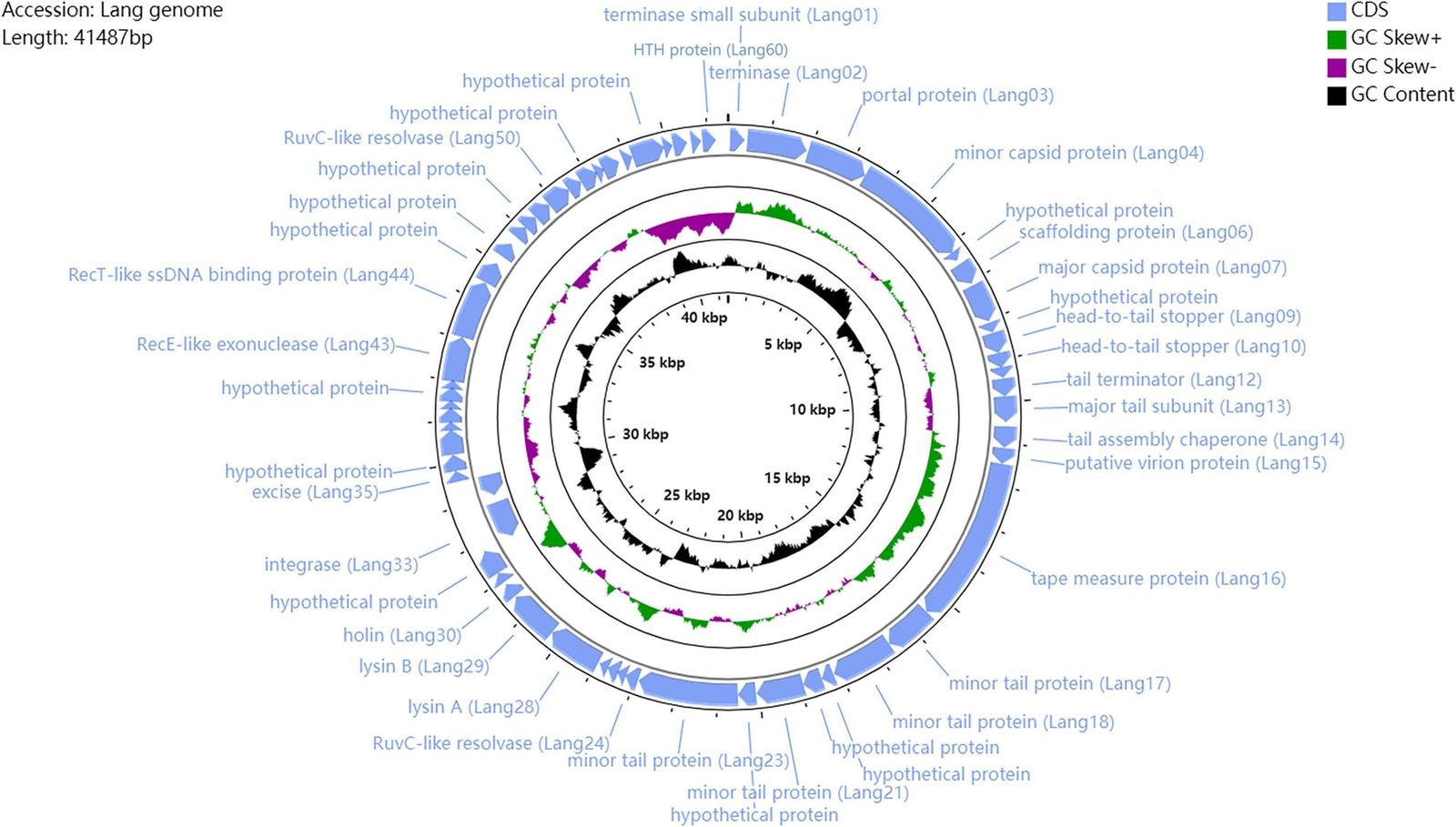
Whole-genome sequencing of the newly isolated phage PvVp2 revealed structural features that align with its specialized environmental adaptation. The authors found that PvVp2 possesses a double-stranded DNA genome comprising 43,158 base pairs.1 Bioinformatic annotation revealed that the viral genome encodes a MazG-like pyrophosphatase, an auxiliary metabolic gene commonly acquired by marine phages to help sustain host nucleotide metabolism during viral infection under nutritional stress.1 Phylogenetic analyses grouped PvVp2 tightly alongside vibriophages vB_Vc_SrVc2 and vB_Vc_SrVc9, sharing nearly 100% nucleotide identity across their structural and functional genetic sequences.1
The role of this metabolic gene remains subject to experimental confirmation outside computational predictions. Asked why the putative MazG-like pyrophosphatase did not shield PvVp2 from replication failure under suboptimal conditions, Roberto told Primary that the finding currently rests on predictive bioinformatic analysis rather than measured protein expression. Roberto pointed out that even if the viral gene is transcribed, the resulting enzyme would possess its own distinct environmental envelope, meaning that conditions outside the phage comfort zone would impair the enzyme functionality as well.
To quantify viral reproduction across environmental gradients without interference from viral competition, the authors deployed short four-hour replication assays at an initial multiplicity of infection of 0.02.1 This low ratio ensured that an individual bacterial cell was rarely infected by more than one phage particle at the start of the experiment. Roberto explained that deploying a low infection ratio produces more reproducible measurements by preventing viral competition and maximizing the likelihood of single-phage infections. The researchers tracked bacterial cultures diluted to 10 million colony-forming units per milliliter in synthetic seawater, added viral stocks, and extracted surviving phages after four hours using chloroform.1 Final phage concentrations were quantified by plaque assays against ancestral host bacteria at 25 degrees Celsius, allowing the authors to calculate specific replication rates from the logarithmic increase in viral titers over the four-hour incubation period.1
Addressing whether fixing the assay temperature at 25 degrees Celsius introduced measurement bias for cold-adapted or heat-adapted phages, Roberto told Primary that standardizing the final enumeration avoided severe confounding factors. Roberto explained that changing temperature conditions during the plaque assay would alter host bacterial lawn formation and obscure viral plaque visibility. Furthermore, Roberto noted that because the experimental treatments lasted only four hours, the phages could not have undergone rapid adaptive evolution, making standardized plaque measurement the soundest protocol available.
The team resolved the underlying replication mechanics by performing one-step growth experiments under optimal and suboptimal conditions. For phage CHOED, viral titers were tracked every five minutes across a 100-minute window at temperatures of 14, 25, and 30 degrees Celsius, pH values of 5, 7, and 9, and salinities of 0.85%, 3.5%, and 7% weight per volume. For phage PvVp2, sampling occurred every five minutes over 60 minutes, supplemented by sampling intervals of two minutes during the active lysis phase at 37 degrees Celsius.1 Modeling these kinetics using four-parameter sigmoidal regressions confirmed that suboptimal environmental conditions consistently prolonged the latent phase and suppressed final viral yields, directly explaining why phage performance diminishes rapidly outside physiological comfort zones.
What are the boundaries of these laboratory findings?
These findings describe viral replication dynamics measured under controlled laboratory conditions rather than within natural coastal marine ecosystems. In open coastal environments, microbial communities encounter simultaneous, fluctuating shifts in temperature, salinity, and pH, whereas these experiments altered single parameters while holding all other factors constant. The laboratory assays utilized synthetic seawater supplemented with nutrient broth in static polystyrene well plates, environments that lack the organic matter diversity, competing microorganisms, and solar radiation present in natural marine waters. Furthermore, the experiments evaluated two specific phage isolates paired against individual laboratory bacterial strains, which cannot capture the full genetic diversity, phenotypic plasticity, or immune resistance mechanisms found across wild marine Vibrio populations.
The relevance of these narrow replication windows also varies considerably depending on the specific environmental factor examined. Roberto noted that while wild marine bacteria and phages rarely encounter extreme shifts in pH or salinity in open waters, temperature fluctuations represent an immediate, real-world challenge. In coastal Chile, for example, average sea surface temperatures hover near 14 degrees Celsius, yet intertidal mussels colonized by these bacteria can experience hours of intense solar exposure during low tide, pushing internal tissue temperatures toward 30 degrees Celsius.
What do these performance limits mean for coastal waters?
Understanding the physiological limits of bacteriophages provides critical insight into the ecology of marine infectious diseases. If coastal seawater warming pushes marine environments outside the replication comfort zone of natural phages, pathogenic bacteria such as Vibrio parahaemolyticus and Vibrio anguillarum may experience temporary release from viral predation. Such ecological release could facilitate larger bacterial blooms in coastal shellfish beds, elevating the risk of foodborne intestinal illness in human populations and driving destructive disease outbreaks in aquaculture pens.
However, long-term evolutionary release remains improbable. Roberto emphasized that bacteriophages have coexisted with bacterial hosts over millions of years and possess high adaptive capacity across varied thermal regimes. While transient bacterial surges remain plausible during abrupt marine heatwaves or extreme weather events, natural viral populations are expected to maintain predation pressure over broader ecological timescales.
These findings also present direct operational guidelines for the development of phage therapy in commercial marine hatcheries. Phage cocktails designed to protect farmed fish and shrimp against Vibrio infections must be formulated using viral strains whose thermal and chemical performance windows match the operational conditions of aquaculture rearing tanks. If a treatment relies on a virus whose burst size collapses at peak summer temperatures or during salinity changes, the intervention will fail to suppress bacterial pathogens. Future research will need to determine how fluctuating multivariable conditions in open waters govern viral persistence, and whether wild Vibrio populations can exploit environmental refuges where bacterial growth outpaces predatory viral replication.
The record
24 sentences trace to 1 source and 1 contributor.
-
1
F
Frontiers Document · frontiersin.org · 1 Oct 2026 Effect of environmental conditions on two vibriophages and their host See the source
- 2 Contribution — Roberto Bastías 9 statements added to this article
Other consulted pages1 page
Article history
-
Published 21 Oct 2026, 18:51Assembled by the Primary desk from 1 source · 1 contributor · 24 cited sentences
-
Roberto Bastías
- Go to the sentence: Roberto noted that DNA polymerases have optimal operating temperatures, explaining that when temperatures deviate from that point, viral genome synthesis loses efficiency and suppresses the production of new virions.
- Go to the sentence: Roberto added that the physical assembly of structural capsid proteins faces similar thermal disruption, making it difficult to isolate a single enzymatic bottleneck behind the observed collapse in burst size.
- Go to the sentence: Asked why the putative MazG-like pyrophosphatase did not shield PvVp2 from replication failure under suboptimal conditions, Roberto told Primary that the finding currently rests on predictive bioinformatic analysis rather than measured protein expression.
- Go to the sentence: Roberto pointed out that even if the viral gene is transcribed, the resulting enzyme would possess its own distinct environmental envelope, meaning that conditions outside the phage comfort zone would impair the enzyme functionality as well.
- Go to the sentence: Roberto explained that deploying a low infection ratio produces more reproducible measurements by preventing viral competition and maximizing the likelihood of single-phage infections.
- Go to the sentence: Roberto explained that changing temperature conditions during the plaque assay would alter host bacterial lawn formation and obscure viral plaque visibility.
- Go to the sentence: Furthermore, Roberto noted that because the experimental treatments lasted only four hours, the phages could not have undergone rapid adaptive evolution, making standardized plaque measurement the soundest protocol available.
- Go to the sentence: In coastal Chile, for example, average sea surface temperatures hover near 14 degrees Celsius, yet intertidal mussels colonized by these bacteria can experience hours of intense solar exposure during low tide, pushing internal tissue temperatures toward 30 degrees Celsius.
- Go to the sentence: Roberto emphasized that bacteriophages have coexisted with bacterial hosts over millions of years and possess high adaptive capacity across varied thermal regimes.