Tidal Thames fish numbers reveal fragile gains since historical collapse
Decades after being declared biologically dead, London's tidal river hosts over 115 recorded fish species, but recent net samples show subtle declines under changing environmental pressures.
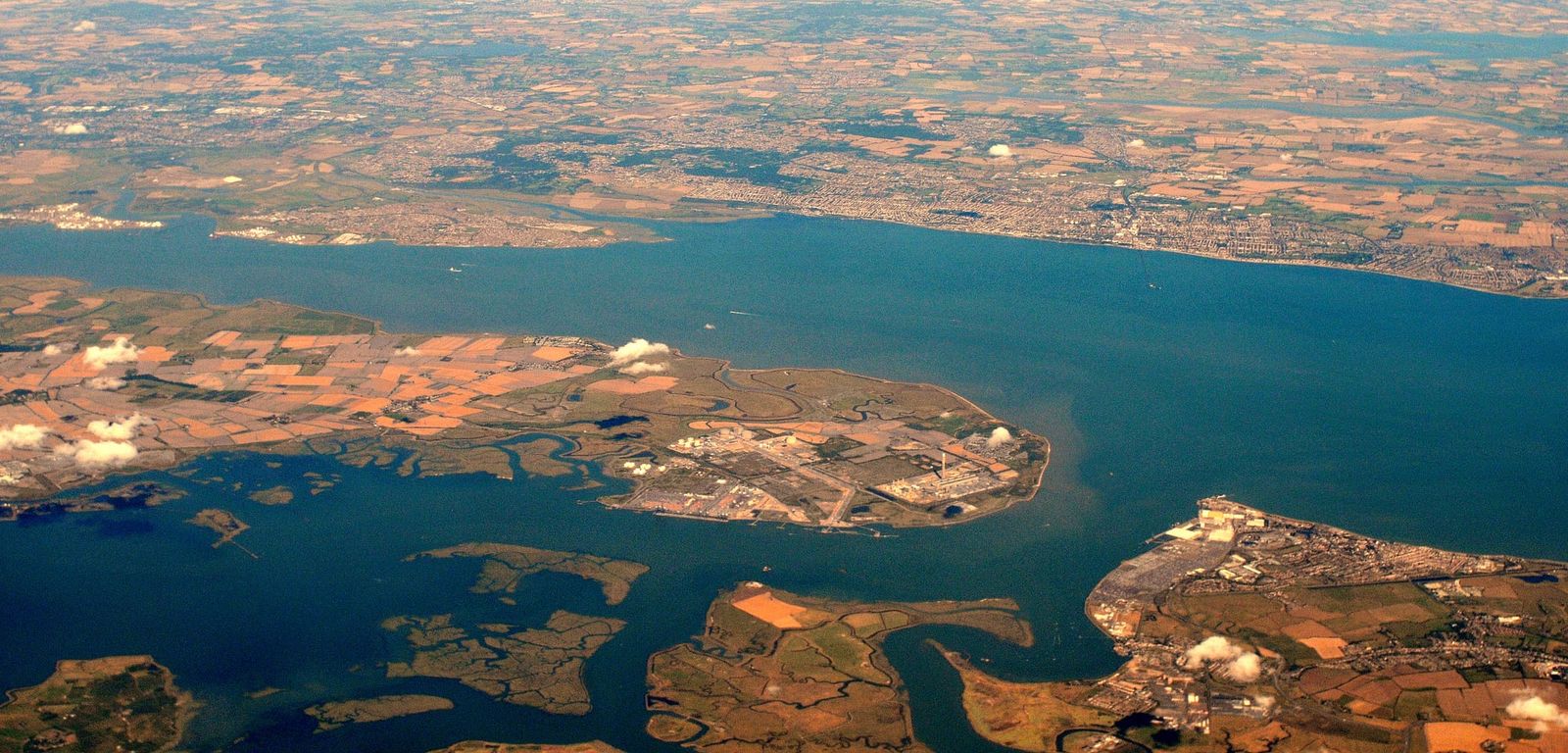
In the middle of the twentieth century, the tidal reach of the River Thames was so deprived of oxygen that virtually no fish could survive in it. Decades of untreated domestic sewage and industrial discharges turned the waterway between western London and the sea into an anaerobic barrier.1 Migratory fish could not pass through, resident estuarine populations vanished, and by 1957 biological surveys declared the tidal river dead.1 Today, that same stretch supports a complex food web that includes juvenile seahorses, seasonal sharks, and breeding seal colonies, demonstrating how rapidly an urban waterway can regenerate when waste management improves.12 Yet long-term ecological monitoring indicates that biological recovery is rarely a straight line, and recent sampling reveals subtle declines in the variety of fish captured across typical river reaches.1
Understanding how an estuary sustains aquatic life depends on a simple ecological sequence. Rain and freshwater tributaries flow down from the hills, meeting salt water pushed inland by tides twice a day. As these waters mix, oxygen from the atmosphere dissolves into the surface layer, providing the breath that fish, crabs, and bottom-dwelling invertebrates need to survive. When large volumes of untreated organic waste pour into the river, aquatic bacteria multiply rapidly to break down the organic matter, consuming vast amounts of dissolved oxygen in the process. If oxygen levels fall below critical thresholds, fish either flee into cleaner sea reaches or suffocate. Once interceptor sewers and treatment works trap that waste, bacterial consumption slows, dissolved oxygen rebounds, and fish eggs, larvae, and adult swimmers can return to recolonise the estuary.
On January 19, 2026, the Zoological Society of London published the second edition of The State of the Thames, a comprehensive assessment evaluating the health of the tidal river five years after its inaugural 2021 review.13 The report reveals that more than 115 fish species have been recorded in the Tidal Thames since the 1957 declaration of biological death.1 Drawing on 21 distinct environmental indicators compiled by specialists from 21 organisations, the assessment documents major environmental improvements, including rising dissolved oxygen levels and substantial drops in toxic copper and zinc concentrations.1 However, the report also rates the river's overall fish indicator as deteriorating over the long term, driven by a slight but statistically significant decline in the average number of species captured per net haul between 1992 and 2023.1
How did an uninhabitable river recover its fish?
The return of fish to the Tidal Thames followed direct historical interventions in wastewater infrastructure that restored breathable oxygen to the water column.23 In a 1998 historical ecological volume edited by M. J. Attrill, records show that fish had been largely absent from Fulham downriver to Tilbury between 1920 and 1964.12 Industrial effluents, bomb damage sustained during World War II, and overloaded Victorian drainage networks had pushed water quality to historic lows. Extensive upgrades to regional sewage treatment works beginning in the 1960s reduced the organic burden entering the river, allowing dissolved oxygen concentrations to climb back from near zero.1 As oxygen levels improved, marine species moved inland from the North Sea while freshwater species expanded down from the upper non-tidal catchment above Teddington Lock.12
Over the following decades, biological surveys compiled a running inventory of species using the estuary at different life stages. The Zoological Society of London noted that the river now provides habitat for juvenile short-snouted seahorses, while the wider mouth of the Greater Thames Estuary towards the North Sea shelters three shark species: tope, starry smoothhound, and spurdog.1 Furthermore, long-term monitoring demonstrates that concentrations of toxic metals such as copper and zinc have dropped below levels known to cause aquatic harm.3 The Zoological Society of London reported that by 2024, zinc concentrations were half of their 1990 levels, while copper concentrations had fallen to one quarter of their 1990 baseline, illustrating how regulatory limits on industrial waste have steadily cleansed the estuarine sediments.3
Why are recent fish surveys catching fewer species?
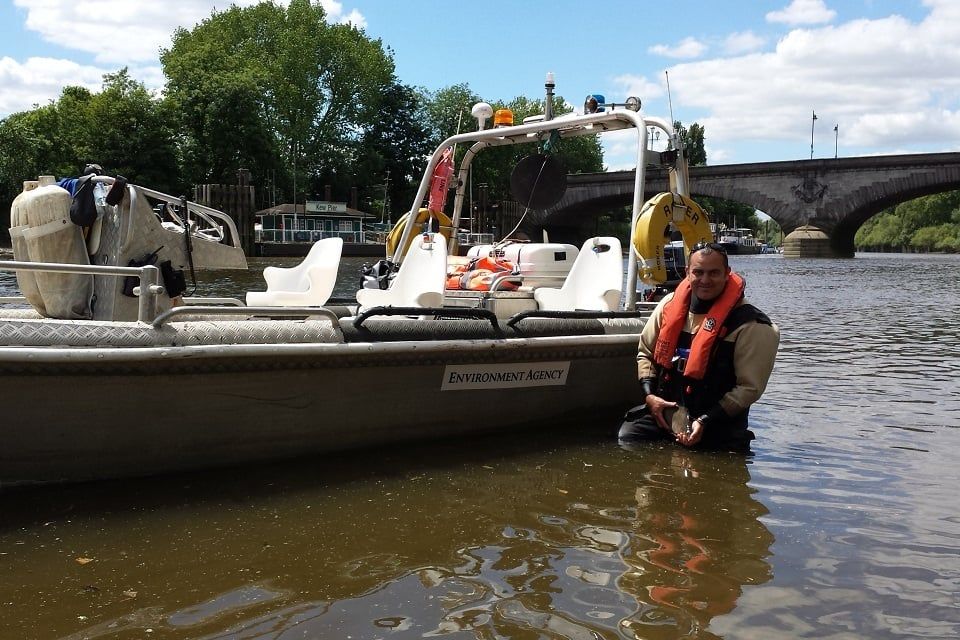
Seine-net surveys conducted by the Environment Agency show that the average number of fish species caught in each sample across the Upper and Middle Tidal Thames declined slightly between 1992 and 2023. A seine net is a long monitoring net anchored to the riverbank and pulled round in a wide semicircle to enclose and count fish before releasing them.1 While the Zoological Society of London found no statistically significant trend in species per haul between 2014 and 2023, the longer 31-year downward slope was enough to trigger a deteriorating rating for the fish indicator over the multi-decade horizon.1 The report notes that this reduction might reflect alterations in sampling methodology over time, or it could indicate genuine environmental pressures operating either locally in the Thames or further afield in surrounding marine waters.1
Emeritus professor of estuarine and coastal sciences at the University of Hull, Mike Elliott, who was not involved in the report, noted that the headline total of more than 115 species represents a cumulative tally over seven decades rather than a snapshot of current daily diversity.1 "The Thames can be regarded as a success story even if it literally took a 'stink' over a century ago to get MPs and others take notice," Elliott said.1 He explained that historical peaks of around 120 recorded species included freshwater wanderers and marine stragglers washed in accidentally by tides or floods.1 Elliott pointed out that global and European analyses indicate that an estuary of this geographic scale should typically support between 100 and 120 species.1 He suggested that routine seine netting is sensitive to numerous transient factors, while also pointing out that ongoing sewage overflow events continue to put water quality under strain.1
What does the broader estuary reveal about emerging pressures?
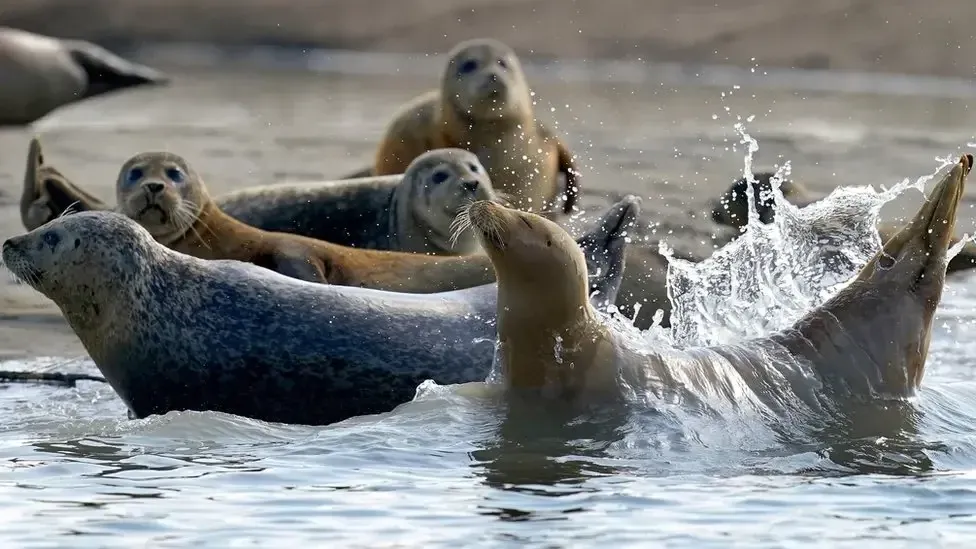
Estuarine predators and water quality chemistry show mixed ecological conditions across the outer estuary and tidal tributaries. Aerial and boat-based counts of marine mammals conducted between Gravesend and the outer limits at Felixstowe and Deal estimate that the estuary hosted approximately 599 harbour seals and 2,987 grey seals in 2024.1 The harbour seal count peaked at 796 animals in 2017 before slipping downward to 599 by 2024, falling below its 2013 baseline and earning a deteriorating rating over the short term.1 Conversely, grey seal populations have expanded to about 3.5 times their 2013 counts.1 The Zoological Society of London reported that growing grey seal numbers could place competitive pressure on harbour seals for shared prey and resting sites, while raising transmission risks for phocine distemper virus.1
Water quality measurements present a similar mixture of structural gains and persistent chemical inputs. While dissolved oxygen has shown improvements on both short-term and long-term timescales, nitrate concentrations derived from continuous sewage effluent and urban runoff are rated as deteriorating over the long term.1 Data gathered across the estuary show that summer river water temperatures have climbed by an average of 0.13 degrees Celsius per year since 2007, an accumulated increase that accelerates bacterial activity and reduces the water's capacity to hold gas.132 Major infrastructure projects continue to target these inputs: the £4.6 billion Thames Tideway Tunnel, a 25-kilometre interception sewer designed to capture millions of tonnes of untreated storm spills, was fully connected to the capital's network in 2025.13
These ecological records cannot function as absolute counts of every organism present in the river today.1 They represent standardized snapshots gathered through fixed seine nets, aerial seal transects, and chemical sensors placed at select monitoring stations. The running total of 115 fish species records every creature documented since 1957, including rare visitors that entered the estuary only briefly.1 Furthermore, open estuarine systems are deeply connected to the North Sea, meaning that population shifts among migratory fish and seals often reflect broader oceanic conditions rather than local habitat changes alone.1 The Zoological Society of London noted that Thames Water funded the preparation of the report, while affirming that editorial content remained independent of the water utility.13
Future ecological stability in the Thames will depend on how the estuary absorbs both urban growth and climatic shifts. Although the connection of the Thames Tideway Tunnel provides a major barrier against raw storm sewage overflows, rising baseline water temperatures and high nitrate levels remain unresolved stresses for sensitive species.1 Further investigation by estuarine biologists will focus on clarifying whether falling fish sample counts stem from subtle shifts in gear and netting protocols or represent systemic food web stress across southeastern England.1 For an estuary that spent the mid-twentieth century written off as an ecological wasteland, maintaining hard-won biodiversity requires continuous observation of the invisible chemistry beneath the surface.
The record
36 sentences trace to 3 sources.
-
1
JB
Justin Brown Document · scienceblog.com · 20 Oct 2026 The Tidal Thames was declared biologically dead in 1957 with zero fish species, and over 115 have been recorded since, ZSL’s 2026 report says, though species per sample have slipped since 1992. See the source
-
2
E
ebsco.com Third-party reporting · ebsco.com Thames River ecosystem | Science | Research Starters | EBSCOhost See the source
-
3
W
waterbriefing.org Third-party reporting · waterbriefing.org Report says health of River Thames continues to improve – but warns climate change and pollution put estuary in fragile position See the source