France reports first human infection from livestock virus Shamonda
A severely immunocompromised patient in Lyon died after contracting the midge-borne animal pathogen that spread across European farms this summer.
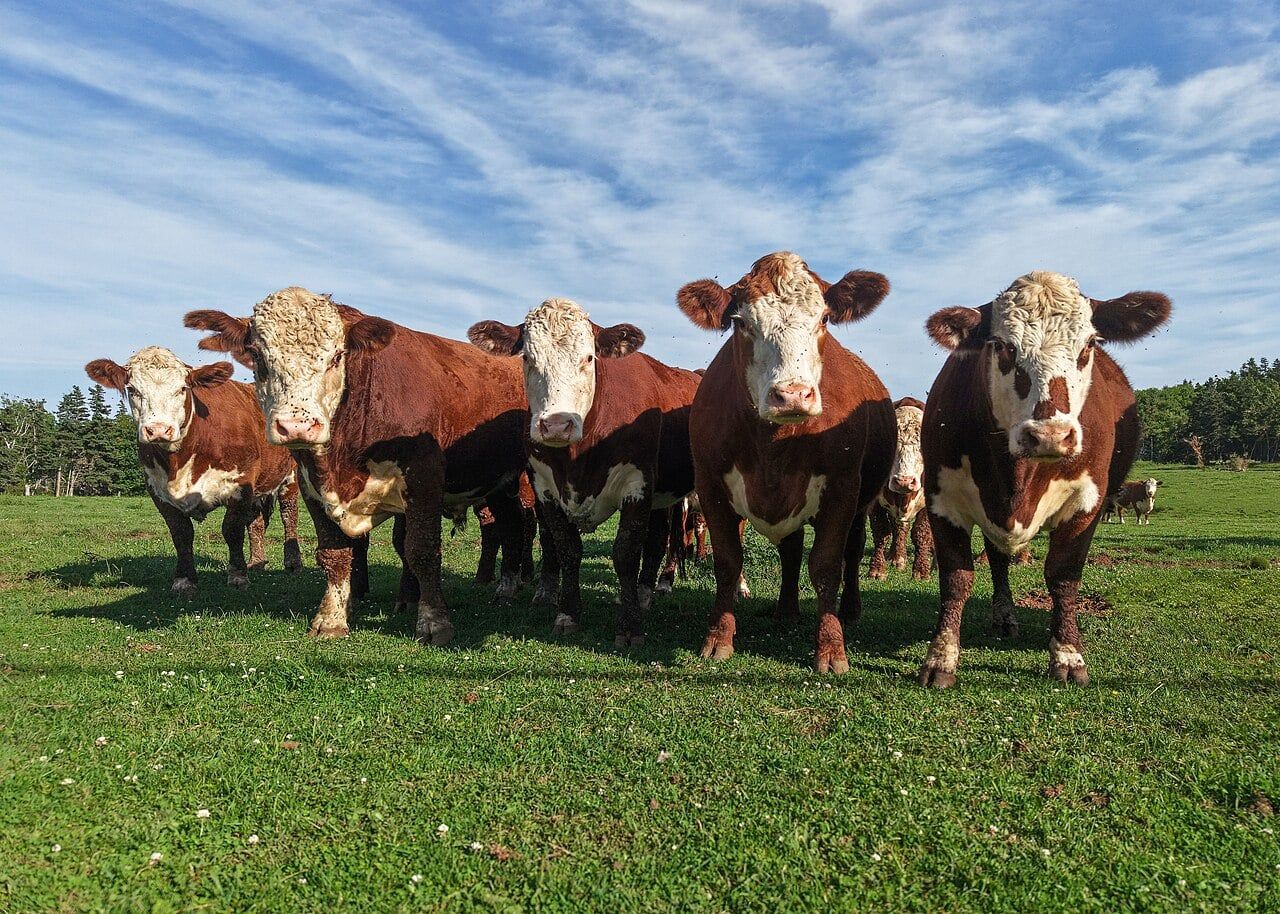
French health authorities have confirmed the first known human case and subsequent death linked to the Shamonda virus in an immunocompromised patient treated in Lyon.12 The pathogen, an Orthobunyavirus primarily spread between ruminants by biting midges, had never previously been documented in a human host.23 Government agencies and international monitoring bodies announced that the case appears exceptional and presents no active health risk to the wider public.12
The patient died in early October at the Hospices Civils de Lyon after receiving hospital care for a serious underlying condition.24 Initial microbiological testing detected viral presence across multiple biological samples taken before death, according to a public health assessment released by Santé publique France.25 Health officials said preliminary evidence indicates the individual contracted the pathogen from an insect bite in eastern France, where animal infections had first emerged months earlier.34
Investigators observed severe brain complications in the patient prior to death.41 In a joint ministerial statement, French agricultural and health authorities stated that neurological complications observed before the patient died were very likely linked to infection with the virus.34 Clinical, biological, and epidemiological evaluations remain underway in partnership with the World Health Organization and the European Centre for Disease Prevention and Control to determine whether the infection directly caused or contributed to the fatal outcome.42
An established livestock pathogen
Shamonda virus was first isolated in Nigeria during the mid-1960s.12 For decades, veterinary surveillance recorded sporadic outbreaks among livestock populations across western, eastern, and southern Africa, alongside occasional detections in Japan.41 Cattle function as the primary host species because they develop visible symptoms, whereas sheep and goats typically present without clinical signs despite harboring the infection.14

When dairy cows and adult cattle contract the virus from midges belonging to the genus Culicoides, the typical incubation period lasts two to three days.12 The resulting illness causes fever, lethargy, diarrhea, and marked drops in daily milk production.41 Infections occurring during bovine pregnancy can trigger spontaneous abortions or severe congenital malformations in developing calves.12
Beyond typical ruminant populations, agricultural authorities have occasionally identified the virus in small ruminants, alpacas, and horses.32 Testing in France confirmed the virus in the central nervous system of a horse exhibiting neurological symptoms in the southern department of Hérault.25 The pathogen has also appeared in sheep located in the Oise and Aveyron departments.25
The European animal outbreak
European veterinary agencies considered the continent entirely free of Shamonda virus until mid-2026.13 A newly identified lineage, designated Shamonda-Europe, was first detected among cattle herds in Switzerland during late July.13 The strain moved swiftly across international borders, establishing infections in farm herds across Germany, Austria, Belgium, the Netherlands, Luxembourg, Liechtenstein, Italy, Spain, Portugal, Ireland, and the island of Jersey.41
Genetic surveillance conducted by agricultural ministries identified two circulating lineages within the region. Spain's Ministry of Agriculture, Fisheries, and Food noted that two distinct forms, named Shamonda Type 1 and Shamonda Type 2, have circulated simultaneously.1 By late October, French surveillance data compiled through the national animal health platform confirmed cattle detections across 52 administrative departments.25
Livestock producers possess few medical interventions to counter the outbreak. There is currently no approved vaccine against Shamonda virus for animals or humans.1 Veterinary management relies on insecticidal treatments, chemical repellents, and housing adjustments aimed at reducing exposure to biting midges in pastures.1
Evaluating human transmission risk
Public health agencies moved quickly to contextualize the human death, emphasizing that the general population faces minimal exposure. In an official bulletin, Santé publique France stressed that no human-to-human transmission has been detected and no broader public health threat exists.25 The agency pointed out that decades of endemic viral circulation across Africa and Asia had never produced an identified human infection.32
Specialists in viral disease noted that severe immunosuppression alters vulnerability to pathogens that ordinary immune defenses neutralize. Ben Brennan, a professor of virology at the University of Glasgow, explained in a statement that the Lyon patient had a serious underlying illness leaving them vulnerable to opportunistic infections, adding that researchers do not yet know whether Shamonda virus caused the death.1 Global health monitors also pointed to seasonal vector biology, with the World Health Organization noting that transmission of midge-borne viruses declines during cooler autumn and winter weather.3
Ecological researchers described the spillover as consistent with wider patterns in vector-borne diseases. David Roiz, a researcher at the Institute for Game and Wildlife Research in Spain, stated that many animal viruses circulate naturally among mammals in warmer zones and generate sporadic spillovers.1 Roiz noted that expanding global transport networks and shifting climatic conditions make sporadic transmission events unsurprising, calling for sustained vector monitoring and active farm surveillance rather than public alarm.1
Ongoing investigations
Health authorities across France are running parallel inquiries to reconstruct how the Lyon patient encountered the pathogen. Field investigators are examining the individual's travel history, local residence, and potential direct exposure to livestock farms or vector habitats.25 Laboratory scientists at the National Reference Center for Arboviruses and the French Agency for Food, Environmental and Occupational Health and Safety reference laboratories are completing full genomic sequencing of the human sample to compare its sequence directly against local animal strains.25
The agency also coordinates with the National Veterinary School of Toulouse and regional health networks to evaluate midge collections gathered throughout the biting season.25 The European Centre for Disease Prevention and Control stated that the specific species of Culicoides midge responsible for transmitting the virus to the patient remains unconfirmed.4 Surveillance networks intend to track both insect populations and equine neurological cases to determine whether viral adaptations facilitated the crossing from livestock into a human host.25
The record
35 sentences trace to 5 sources.
-
1
W
WIRED Document · wired.com · 22 Oct 2026 What to Know About Shamonda Virus Following the First Reported Human Infection See the source
-
2
S
santepubliquefrance.fr Third-party reporting · santepubliquefrance.fr Shamonda Virus: First Human Case Detected in France—What Do We Know? | Santé publique France See the source
-
3
BN
BBC News Third-party reporting · bbc.com · 22 Oct 2026 First human case of Shamonda virus detected in France, officials say See the source
-
4
E
euronews.com Third-party reporting · euronews.com · 22 Oct 2026 First human case of animal virus Shamonda confirmed in France See the source
-
5
S