Hepatitis B could surge in children if universal birth vaccination ends
Delaying the first vaccine dose or leaving the decision to individual consultations may leave millions of young adults vulnerable to severe liver damage, according to a mathematical projection.
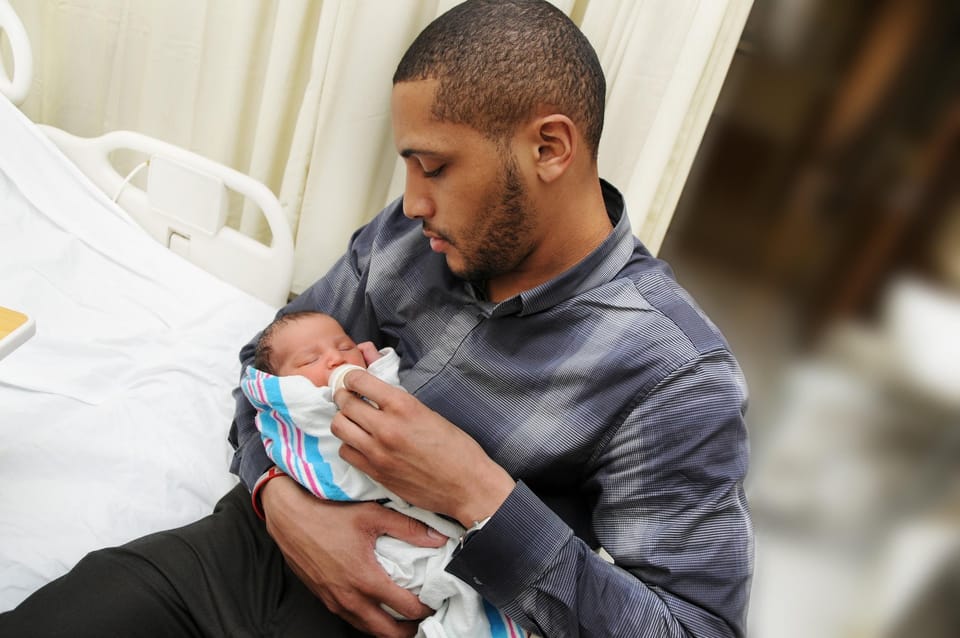
The hepatitis B virus poses a distinct biological danger to young children that differs sharply from an infection acquired later in life.1 In infants and young children, the virus has a far higher tendency to establish a lasting foothold than in individuals exposed as adults.1 That early infection leads to chronic viral carriage that can persist quietly across decades, creating long-term risks of severe organ damage.1
For decades, public health policy in the United States countered that specific vulnerability by immunizing infants within hours of birth.1 That universal birth-dose vaccination, alongside prenatal screening during pregnancy and antibody treatments for babies born to mothers who test positive, transformed pediatric health across the country.1 Annual childhood hepatitis B infections in the United States fell from over 25,000 cases in 1985 to fewer than 100 documented cases by 2024.1
Now, that long-standing protection faces a potential reversal following proposed changes to federal immunization guidance.1 A mathematical simulation study led by Amir Mohareb, an infectious-diseases physician-investigator at Massachusetts General Hospital and Harvard Medical School, published on October 19 in the Annals of Internal Medicine, examined what would happen if public health recommendations step back from giving the vaccine to every newborn.1
How does early exposure lead to chronic hepatitis B infection?
Infants and young children face an unusually high risk that an initial hepatitis B infection will transform into a permanent medical condition.1 When contracted during early childhood or infancy, over 90 percent of hepatitis B infections develop into chronic conditions.1 Between 15 percent and 25 percent of patients diagnosed with chronic hepatitis B eventually develop severe liver scarring termed cirrhosis, a primary liver malignancy called hepatocellular carcinoma, or other chronic hepatic conditions.1
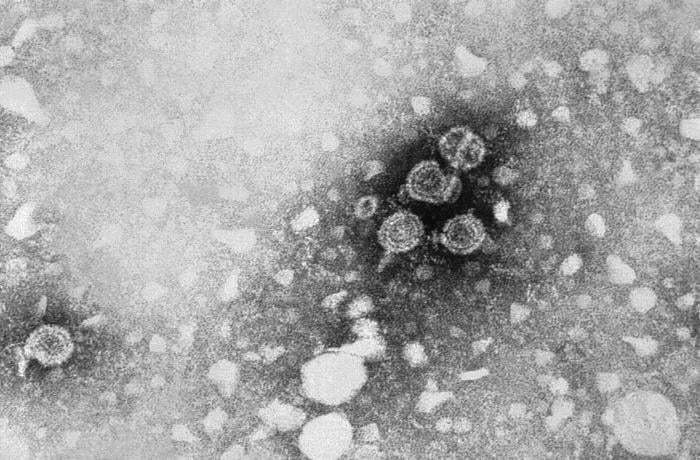
Transmission of the virus during early development does not require an infected mother.1 While the virus can spread from mother to child during birth, hepatitis B is exceptionally transmissible and spreads through contact with minuscule amounts of bodily fluids, such as blood from a minor scratch.1 Even when an infant is born to an uninfected mother, an unvaccinated baby can contract the virus after birth through contact with infected household members, relatives, or other children.1 Without immediate vaccine-induced protection, that early exposure allows the virus to establish a chronic infection before routine pediatric visits begin.1
What happens if newborn vaccination is delayed or made optional?
Delaying the initial hepatitis B immunization to two months of age increases chronic infections by 19 percent by age 20 among children born in 2026, according to the modeling study published in the Annals of Internal Medicine.1 The study evaluated policy changes that originated in December 2025, when the Advisory Committee on Immunization Practices recommended ending universal birth-dose vaccination and the Centers for Disease Control and Prevention accepted that advice.1 Under that proposed guidance, only infants born to mothers who test positive for hepatitis B, or whose status is unknown, would routinely receive the birth dose.1
For mothers who test negative, the proposed guidance instructs parents to consult their physicians to decide whether their child needs a birth dose, an approach the Centers for Disease Control and Prevention calls shared clinical decision-making.1 The proposed recommendation further advises that families consult doctors to decide when or if their child will begin the hepatitis B vaccine series at all.1 When Mohareb and his colleagues evaluated this shared decision-making scenario, they found that chronic hepatitis B infections acquired by age 20 would increase by 83 percent compared with universal birth-dose vaccination.1
The researchers projected that 83 percent surge because discretionary recommendations historically lead to steep drops in childhood immunization coverage.1 While about 87 percent of children were estimated to complete the vaccine series by age two under a two-month deferral, the researchers estimated that only 50 percent would complete it under shared clinical decision-making, noting that other vaccines using similar guidance had uptake fall as low as 25 percent.1 Under that 50 percent coverage rate, between 50 percent and 70 percent of individuals born under the policy would remain susceptible to hepatitis B infection at age 20.1 That susceptibility represents approximately 1.8 million young people in that cohort each year, compared with fewer than 250,000 individuals under universal birth-dose policies.1 Norah Terrault, a transplant hepatologist at the Keck School of Medicine of the University of Southern California, noted that this surge creates a large population vulnerable to viral exposure during early adulthood through sexual contact and drug use.1

Why does maternal screening fail to catch every infection?
Targeting vaccines only to infants of mothers who test positive fails to prevent all early infections because prenatal screening systems contain gaps at every stage of medical care.1 Mohareb pointed out that not every pregnant person undergoes screening for hepatitis B.1 Even among those who are tested, laboratory test results can be inaccurate, and healthcare systems sometimes fail to deliver the proper post-screening care after an expectant mother tests positive.1 Because errors can occur at any step in the testing and treatment sequence, delivering the vaccine dose at birth provides an essential safety net.1
To quantify those clinical gaps, Mohareb and his co-authors constructed a simulation model using published national data on hepatitis B prevalence and screening rates among pregnant individuals.1 The model incorporated the sensitivity of maternal hepatitis B tests, the proportion of children fully vaccinated by age two, the differing risks of developing chronic infection across age groups, and estimates of how often children encounter the virus through infected household or community members.1 To evaluate the stability of their projections, the team varied the most uncertain inputs across wide ranges and ran the simulation 1,000 times, finding that giving the vaccine at birth consistently yielded lower rates of chronic infection than deferred or discretionary approaches across every run.1 Mohareb noted that while the specific magnitude of change depends on how many parents defer vaccination, the conclusion that birth doses prevent more infections remained consistent across all simulations.1
What limits the projections and what happens next?
The findings provide mathematical projections rather than direct observational records of future clinical diagnoses.1 The researchers noted uncertainty regarding how the public would respond to loosened recommendations, as exact behavioral responses to discretionary guidance cannot be known in advance.1 In addition, the modeling study did not calculate the exact number of liver disease or cancer cases that would result from the rise in infections.1 However, Terrault explained that liver failure, cirrhosis, and liver cancer would be anticipated to increase as missed prevention opportunities accumulate.1
Implementation of the proposed federal recommendation currently remains on pause due to legal action.1 Health experts widely criticized the proposed changes when they were announced, and specialists such as Brian McMahon, a hepatologist and director of the Liver Disease and Hepatitis Program at the Alaska Native Medical Center, emphasized that abandoning universal birth-dose vaccination would inevitably cause more hepatitis B infections early in life.1 While Mohareb noted that doctors and patients should always make medical choices together, he emphasized that the public relies on public health agencies to define policies that protect the health of the entire nation.1
The record
40 sentences trace to 1 source.
-
1
CB
 Clarissa Brincat
Document
· livescience.com · 27 Oct 2026
Hepatitis B could surge, infecting millions more in childhood, under proposed CDC guidance
See the source