Memory shields cherished art after an artist falls from grace
People retroactively downgrade their views of a fallen creator to resolve moral distress, while leaving nostalgic enjoyment of the art itself untouched.
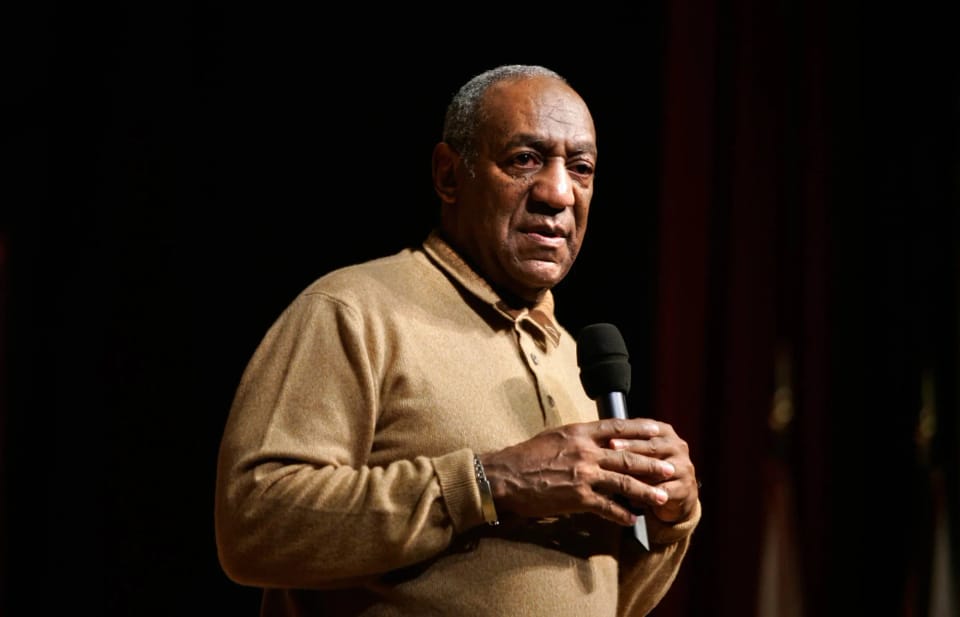
When an admired artist is revealed to have committed serious harm, audiences face an uncomfortable dilemma. Listening to an album, watching a comedy, or admiring a film suddenly collides with disturbing revelations about the creator. Walking away completely can feel like discarding a genuine piece of personal history, because people attach memories of family gatherings, friendships, and formative years to specific songs, books, and screen performances. Yet continuing to celebrate a disgraced creator can feel like moral betrayal.
To resolve that emotional conflict, the human brain executes a sequence of mental steps. First, an individual learns that an admired creator committed a moral transgression. That negative discovery immediately clashes with the high opinion previously held of both the creator and the creative work.1 Because discarding cherished memories would inflict emotional distress, the mind avoids rewriting the entire past.23 The brain separates the memory into two paths: it lowers its assessment of the creator while leaving the memory of enjoying the creation intact.21
That mental divergence is documented in new experimental research led by Sally MyungJin Shin, assistant professor of marketing at the University of South Florida Muma College of Business.24 Writing in the Journal of Experimental Social Psychology with coauthors Paul Rozin of the University of Pennsylvania and Gal Zauberman of Yale University, Shin examined how learning about an artist's misconduct reshapes retrospective attitudes across five preregistered experiments.12

How does the mind protect nostalgic memories from moral disgrace?
The human mind resolves the emotional clash of a cultural scandal by rewriting memories along two divergent paths.23 This psychological response allows people to preserve fond recollections of an artwork while retroactively lowering their regard for the creator.23 The authors described this selective adjustment as differential memory reconstruction, showing that negative revelations trigger revisions of past attitudes rather than merely damaging present admiration.21
The authors reported that fans carry out what they termed moral surgery on their recollections.21 When confronted with evidence of misconduct, people rewrite how they remember feeling about the creator in the past, while leaving their memories of appreciating the art untouched.23 Shin and her colleagues noted that this cognitive maneuver resolves an inner dilemma by allowing individuals to maintain personal nostalgia without appearing to endorse bad behavior.23 The researchers found that this selective shield exists only when looking back in time, enabling supporters to protect their past happiness from being spoiled by modern revelations.23
What happens when fans learn about past wrongdoing?
When fans learn about a creator's moral transgressions, their present-day admiration for both the creator and the artwork declines immediately.23 However, their recalled evaluations of how much they loved the artwork in the past remain positive and shielded against the negative revelation.12 The researchers documented this divergence across five preregistered experiments examining participants before and after they received negative revelations about artists.21 The psychological pattern held across multiple creative domains, including television, film, and music.21
In one historical case examined in the research, lawsuits that emerged against Bill Cosby in 2014 forced fans to reevaluate affection for the comedian and his prime-time television broadcast, The Cosby Show.23 While participants downgraded their past opinions of Cosby as a person, recalled enjoyment of his television series remained protected.23 A similar dynamic appeared when listeners learned about musicians.23 When participants learned about parental negligence in the life of Ray Charles, present opinions of him and his music fell, yet memories of loving his music remained positive.23 When introduced to the history of physical abuse committed by John Lennon, participants similarly lowered current admiration for Lennon and his songs, but still remembered loving his music as before.23
Can people truly separate the art from the artist?
People can mentally separate the art from the artist, but that separation occurs exclusively when they reconstruct past memories.23 In present-day judgments, a creator's misconduct reliably taints the perception of both the person and their creations.21 The psychological ability to sever the creation from its author functions as a retrospective tool that applies to past memories.21
These experimental findings describe cognitive memory adjustments within structured laboratory designs, and they carry distinct boundaries. The research paper reports that the observed effects held across incentive-compatible tests, multi-wave longitudinal surveys, and designs with separated measurements, which ruled out alternative explanations such as low cognitive effort, temporal proximity, and demand characteristics.1 Even so, the laboratory experiments cannot predict how individuals will behave in public spaces where social pressure, community norms, and boycotts shape artistic choices. The studies measure how people reconstruct internal memories after receiving specific pieces of negative information, leaving questions about future financial support or streaming habits for later investigation.
Understanding this split helps explain why public debates over disgraced cultural figures remain intractable. People evaluating someone else's fandom often expect moral disgust to wipe away all affection for a catalog of songs or a television show. For individuals who grew up with the work, memory acts as an internal preservative, safeguarding earlier feelings of joy even as the creator is condemned.23 Future investigations may clarify whether similar retrospective revisions occur in other domains, such as politics, where followers reconcile historical loyalty to a leader with later revelations of misconduct.
The record
26 sentences trace to 4 sources.
- 1 Selected Abstracts See the source
-
2
US
 U. South Florida
Document
· futurity.org · 28 Oct 2026
How your brain can trick you after a beloved artist’s scandal
See the source
- 3 Can we separate the art from a fallen artist? Only in our memories, USF study finds See the source
- 4 About See the source