American women provide three more years of elder care than men
A widening gap in lifetime family assistance stems from support for parents and friends rather than spouses, according to a demographic study.
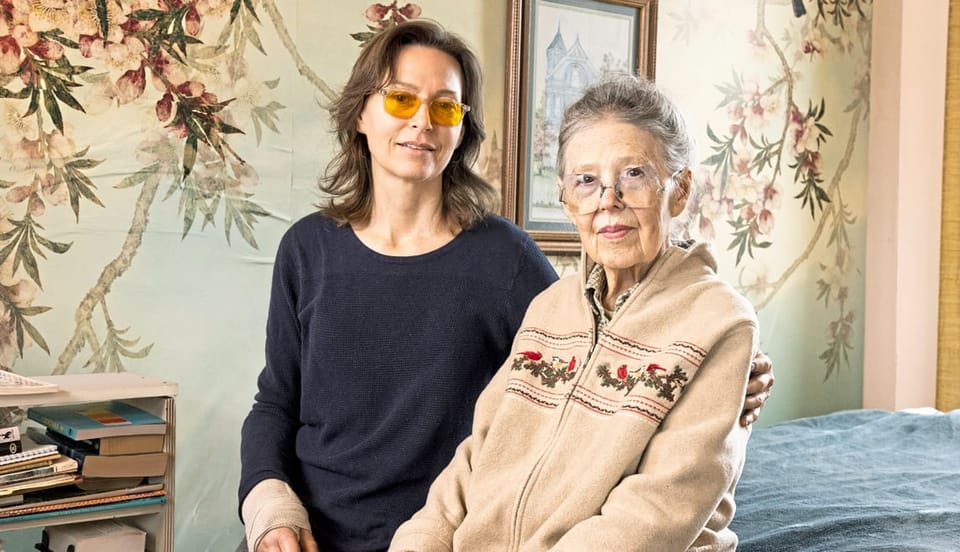
Caring for an aging relative or friend often begins as a response to an immediate medical crisis, but over decades it accumulates into a substantial portion of an adult life. In the United States, that unpaid labor is spreading unevenly across households. Even as public awareness of male caregivers increases, the total span of time that women devote to older adults across their lifetimes has continued to pull away from the time spent by men.
Family caregiving involves helping older adults with daily personal routines such as bathing and dressing, managing household chores, organizing transportation, and handling complex medical tasks.12 When these duties persist for months or years, the accumulated hours directly influence career trajectories, physical well-being, retirement savings, and emotional reserves.
For family care to accumulate across an entire lifetime, several conditions link together in sequence. An adult first lives into older age with functional limitations or chronic illnesses that prevent them from managing daily tasks alone. Because professional nursing facilities and paid home aides are often expensive or difficult to access, families step in to fill the daily gap. Within extended social circles, cultural expectations and personal relationships dictate who steps forward to assist. When one demographic group routinely shoulders the responsibility for aging kin outside marital partnerships, those isolated weeks and months compound into years of unpaid labor over a full adult lifespan.

Where does the growing caregiving divide come from?
The divergence in lifetime caregiving comes from assistance provided to parents, grandparents, and extended family rather than from care provided to spouses.12 In a study published in the Journals of Gerontology, Series B: Psychological Sciences and Social Sciences, researchers found that American women can expect to provide 7.1 years of care to older adults over their lifetimes, based on 2023 data.21 By comparison, American men can expect to provide 4.2 years of care over their lifetimes, leaving a gap of nearly three years between the sexes.21
That divide has expanded over the past decade. For women, estimated lifetime caregiving increased by one full year between 2011 and 2023, rising from six years to seven years.12 For men, the estimate held steady at four years across the same period.12 Yet when the researchers examined care given to a husband, wife, or partner, the disparity disappeared. Men and women both spend an average of about 1.5 years of their adult lifetimes caring for an aging spouse or partner.13
The differences emerge when care recipients sit outside that primary partnership. Women can expect to provide more than one additional year of care for an aging parent, several more months of care for a grandparent, and more than an additional year assisting extended relatives and friends.13 The imbalance also held true across every category of assistance examined, including bathing, dressing, housework, transportation, and medical routines.12
How do demographers measure lifetime care across generations?
Demographers measure lifetime care by combining population survival curves with the age-specific rates at which people currently assist older adults.21 Rather than tracking an individual participant over 50 years, the technique pools data across age brackets to model how many years of care an adult would provide if current conditions hold throughout their remaining life. Lead author Vicki A. Freedman, a research professor at the University of Michigan Institute for Social Research, conducted the analysis with coauthor Yee To Ng using federal survey records.12
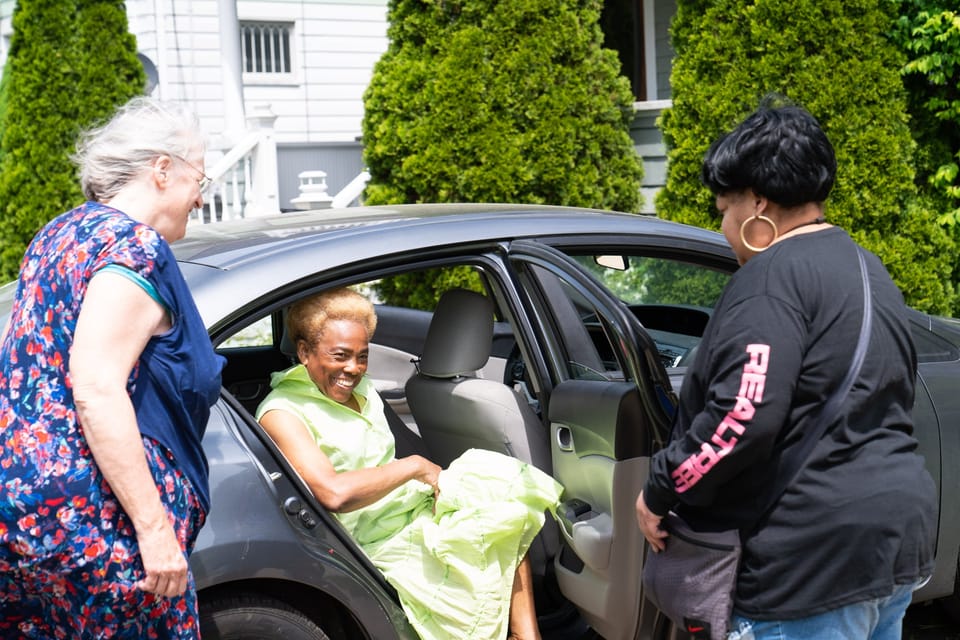
The researchers examined data from nearly 8,500 interviews in the National Study of Caregiving, a survey linked to Medicare beneficiaries ages 65 and older, alongside population records from the Current Population Survey.23 Their calculations focused on the expected remaining years of care for adults who reach age 20.21 Across the broader United States population, the total pool of family caregivers assisting people ages 65 and older grew from 18 million in 2011 to more than 24 million in 2023.13
These estimates represent demographic projections rather than forecasts for any specific household. The calculations demonstrate what an adult would experience if contemporary rates of elder care remain unchanged across several decades. Real-world care patterns will inevitably shift as economic conditions, public support policies, and family structures evolve over time. The findings also rely on survey self-reports from caregivers, which may capture varying thresholds of daily help.
What happens as family networks shrink?
Demographic changes in the aging population are poised to increase the demand for care provided outside traditional immediate family ties. A growing share of older Americans is reaching late life without a surviving spouse or adult children.12 As the proportion of older adults living without close kin continues to expand, individuals will increasingly rely on friends, nieces, nephews, and neighbors to help them manage physical impairments.
Research supported by the National Institute on Aging indicates that without changes in social norms or the availability of paid assistance, the reliance on female extended relatives and friends may deepen.12 Whether that gap widens further will depend on how communities fund professional caregiving options and whether expectations surrounding elder care become more evenly shared across genders.
The record
16 sentences trace to 3 sources.
-
1
UM
 U. Michigan
Document
· futurity.org · 31 Oct 2026
The caregiving gap between men and women has grown
See the source
-
2
P
 pubmed.ncbi.nlm.nih.gov
Official record
· pubmed.ncbi.nlm.nih.gov
Lifetime family caregiving for older U.S. adults by men and women, 2011 and 2023 - PubMed
See the source
- 3 Caregiving Gap Between Women And Men Has Grown See the source