Midday shade cools leaves but alters harvest yields across specialty crops
Protecting crops during peak afternoon heat shields cellular machinery and lowers leaf temperatures, yet the resulting drop in available sunlight shifts plant growth depending on which organ farmers harvest.
When summer heat spikes, crops face a double hazard from the sky. Solar radiation delivers the energy plants require to build carbohydrates through photosynthesis, but intense sunlight also deposits more thermal energy than leaves can easily dissipate. If leaf tissues become too hot, cellular proteins destabilise and photosynthetic systems stall, forcing crops to consume stored resources simply to endure the afternoon.
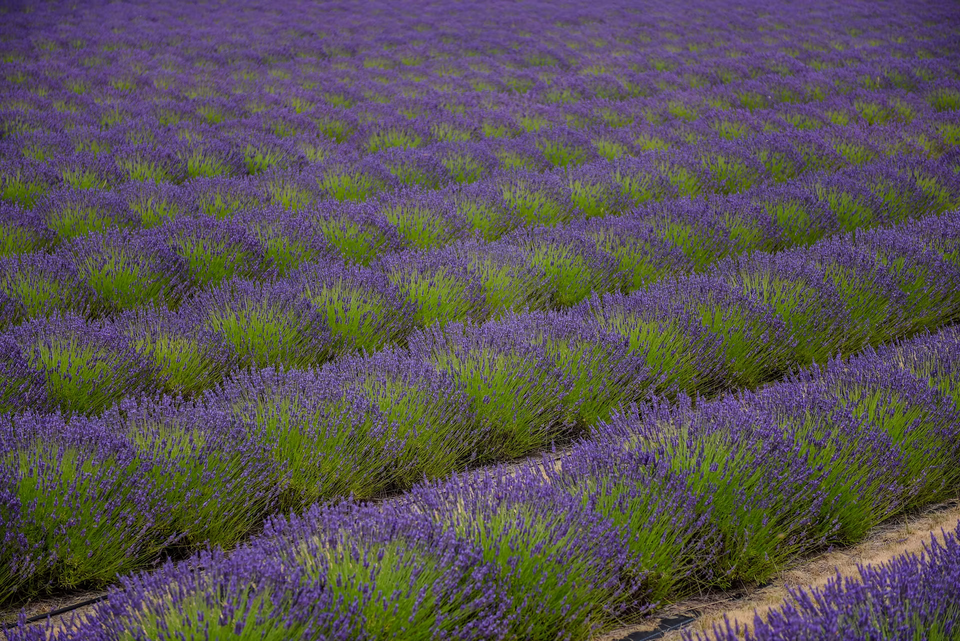
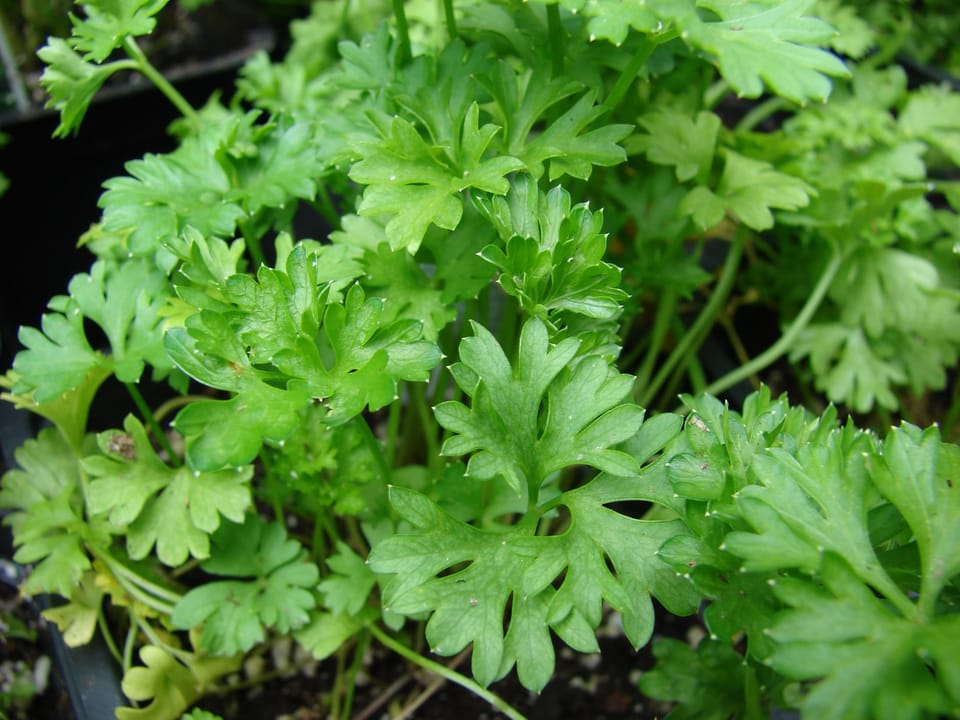
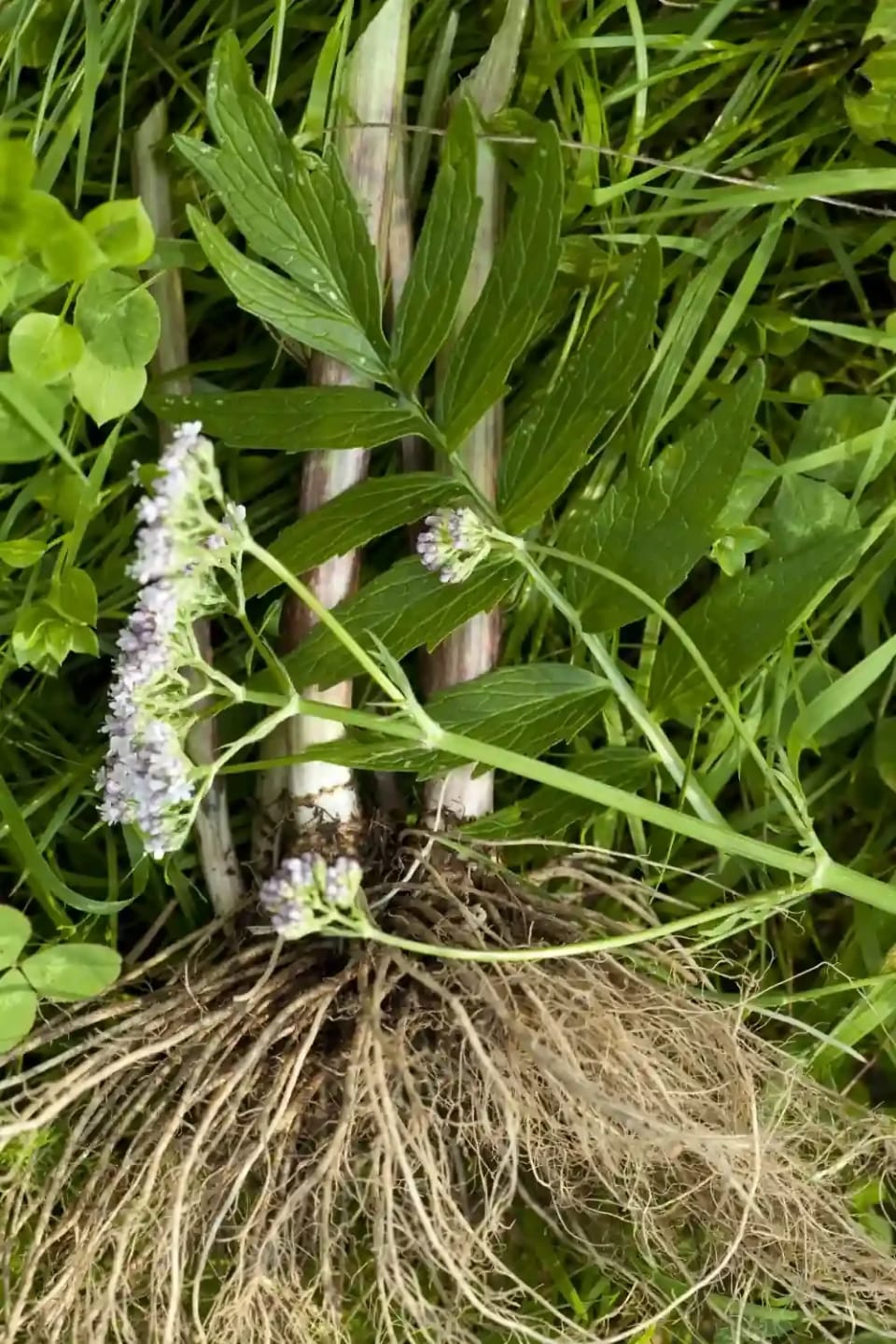
Agricultural producers often consider shading crops to blunt these extremes, but permanent covers create a severe penalty by blocking the light that plants require to grow. A study posted on the preprint server bioRxiv by O. Decuy and colleagues evaluated whether temporary midday shading could offer a middle path for specialty crops.1 The investigation examined how shielding crops during the hottest midday hours alters tissue temperatures, cellular stress, and eventual harvest yields across three different medicinal and aromatic plant species: lavandin (Lavandula x intermedia), curly parsley (Petroselinum crispum), and valerian (Valeriana officinalis).1
How does extreme heat disrupt a plant?
Extreme sunlight and elevated temperatures disrupt the balance between energy absorption and energy consumption inside plant foliage. A green leaf functions somewhat like a solar collector linked to an evaporative cooler. Sunlight strikes chlorophyll pigments, initiating electron transport chains that convert water and carbon dioxide into sugars. To keep cool under strong irradiation, plants open tiny surface pores called stomata and release water vapour into the atmosphere.
When ambient temperatures surge and sunlight peaks, this cooling mechanism reaches physical limits. If the surrounding air becomes hot and dry, water evaporates from tissues faster than roots can replenish it, compelling the plant to close its stomata. Without evaporative cooling, foliage temperatures can climb several degrees above the surrounding air temperature. Inside the leaf cells, excessive heat degrades photosystem II, a membrane-bound protein complex that performs the initial light-dependent water-splitting reactions of photosynthesis. Once this photochemical machinery sustains damage, overall carbon assimilation slows down.
Does blocking midday sun protect leaves?
Midday shading significantly cools leaf tissues and prevents photochemical damage across all examined species. To test whether brief intervals of protection could alleviate heat stress without depriving plants of light all day, Decuy and colleagues installed vertical shade nets over experimental plots across two growing seasons.1 The temporary netting intercepted sunlight during the central hours of the day, reducing daily photosynthetically active radiation, the spectrum of light between 400 and 700 nanometres that plants use for photosynthesis, by 19.9% to 55.9%.1
The shade netting produced only weak effects on surrounding air temperature and vapor pressure deficit, which measures the drying power of the atmosphere.1 Even so, leaf temperatures fell substantially. At solar noon, leaf temperature decreased by 6.9 degrees Celsius in lavandin, 5.6 degrees Celsius in valerian, and 3.0 degrees Celsius in curly parsley compared to unshaded plants.1 Midday shading improved both light-adapted and maximum photochemical efficiencies of photosystem II in all three plant species.1 In lavandin, which grows as a woody perennial shrub, shading also reduced branch dehydration during heatwaves.1
The cooling variation between species highlights how different plant structures manage heat loads. Stephane, a researcher on the project, told Primary that the four-degree difference in cooling between lavandin and parsley reflects multiple interacting factors rather than a single trait. Stephane noted that leaf cooling through transpiration depends on water status and stomatal regulation, but architectural features also matter. In particular, the finely divided leaves of parsley thin the surrounding boundary layer of still air, which aids convective heat dissipation, while surface reflectance and internal tissues alter how much radiation turns into heat.
Preserving the health of photosystem II also depends on easing two distinct pressures simultaneously. Stephane explained that midday shading simultaneously modifies both the photon flux hitting the photosynthetic apparatus and the overall radiative load heating the leaf. Because photosystem performance reflects the balance between incoming energy and the temperature-dependent capacity of cellular enzymes to process that energy, Stephane said that the observed recovery in photosystem II efficiency resulted from relieving both thermal and radiative stress at once.
Why do harvest yields diverge under shade?
Harvest yields diverge under midday shade because the physiological trade-off between heat alleviation and reduced carbon capture produces different outcomes depending on which botanical organ is harvested. While shading protects delicate cellular apparatus during the hottest hours, it simultaneously cuts down the total photon intake available to drive carbohydrate synthesis. In the experiments by Decuy and colleagues, curly parsley produced greater leaf biomass under midday shading, and valerian produced greater root biomass.1 Conversely, lavandin grown under midday shading produced less floral biomass than unshaded controls.1
These opposing growth patterns mirror the ecological niches and production targets of each crop. Stephane explained to Primary that in vegetative crops like parsley and root-storing species like valerian, mitigating midday thermal and radiative stress supported plant development. In contrast, for a sun-loving perennial like lavandin, reducing photosynthetically active radiation appeared to constrain the resources available for developing floral spikes. Essential oil concentration in harvested tissues did not change under the treatment for lavandin or valerian.1 Stephane noted that while concentration stayed flat, total essential oil production per plant shifted directly alongside overall biomass yield.
What remains uncertain about shading specialty crops?
Current results come from a single field trial across two growing seasons and cannot predict outcomes under every climate regime or irrigation level. The manuscript is a preprint posted on bioRxiv that has not yet undergone formal peer review. While the measurements confirm substantial drops in midday leaf temperature, the vertical net design influenced daily radiation across a wide range, between 19.9% and 55.9%, depending on sun angle and plot layout.1 Addressing this variation, Stephane clarified that the wide range in light reduction stemmed primarily from seasonal changes in solar elevation rather than differences in net orientation, with shading proving weakest when the sun sat highest at the summer solstice.
The experimental setup maintained steady irrigation for parsley and valerian, which buffered water availability and may have amplified the positive growth response under shade. Stephane pointed out that under drier conditions or extreme heatwaves, the balance could change: severe moisture deficits might make shade nets essential, or conversely, excessive heat could overwhelm the protective benefit entirely. Furthermore, the trial could not independently isolate the exact physiological contributions of ambient leaf cooling versus lowered photon interception, nor did it establish the precise light thresholds at which vegetative gains peak before carbon deficits erode commercial returns.
What questions should growers consider next?
Future agricultural trials must establish crop-specific light thresholds to determine where the benefit of thermal relief is overtaken by the penalty of reduced light availability. Because essential oil concentrations remained stable in lavandin and valerian, commercial oil producers will need to calculate how changes in total harvested tissue translate to field-scale extraction volume. Stephane noted that ongoing research is currently evaluating whether midday shading alters the chemical composition and fine aromatic profiles of essential oils, even though gross concentration remained unaffected.
Wider adoption on commercial farms will ultimately depend on matching shade netting intensity to the specific ecological tolerances of each crop. Farmers cultivating leafy greens or root commodities may find that temporary shading delivers a valuable buffer against worsening summer heat spikes. For floral and sun-loving crops, however, growers must weigh the protective cooling of shade against the unavoidable loss of harvestable flowers.
The record
23 sentences trace to 1 source and 1 contributor.
-
1
DO
 Decuy, O., Lemaire, B., Bozonnet, C., Morel, S., Paredes, C., Barroux, L., Walser, P., Balandier, P., Herbette, S.
Paper
· biorxiv.org · 22 Sep 2026
Midday shading alleviates thermal stress but has contrasting agronomic effects across medicinal and aromatic plants
Preprint · may not have been peer reviewed
See the source
- 2 Contribution — Stephane 18 statements added to this article
Article history
-
Published 2 Nov 2026, 13:19Assembled by the Primary desk from 1 source · 1 contributor · 23 cited sentences
-
Stephane, a researcher on the project
- Go to the sentence: The temporary netting intercepted sunlight during the central hours of the day, reducing daily photosynthetically active radiation, the spectrum of light between 400 and 700 nanometres that plants use for photosynthesis, by 19.9% to 55.9%.
- Go to the sentence: At solar noon, leaf temperature decreased by 6.9 degrees Celsius in lavandin, 5.6 degrees Celsius in valerian, and 3.0 degrees Celsius in curly parsley compared to unshaded plants.
- Go to the sentence: Midday shading improved both light-adapted and maximum photochemical efficiencies of photosystem II in all three plant species.
- Go to the sentence: Stephane, a researcher on the project, told Primary that the four-degree difference in cooling between lavandin and parsley reflects multiple interacting factors rather than a single trait.
- Go to the sentence: Stephane noted that leaf cooling through transpiration depends on water status and stomatal regulation, but architectural features also matter.
- Go to the sentence: In particular, the finely divided leaves of parsley thin the surrounding boundary layer of still air, which aids convective heat dissipation, while surface reflectance and internal tissues alter how much radiation turns into heat.
- Go to the sentence: Stephane explained that midday shading simultaneously modifies both the photon flux hitting the photosynthetic apparatus and the overall radiative load heating the leaf.
- Go to the sentence: Because photosystem performance reflects the balance between incoming energy and the temperature-dependent capacity of cellular enzymes to process that energy, Stephane said that the observed recovery in photosystem II efficiency resulted from relieving both thermal and radiative stress at once.
- Go to the sentence: In the experiments by Decuy and colleagues, curly parsley produced greater leaf biomass under midday shading, and valerian produced greater root biomass.
- Go to the sentence: Conversely, lavandin grown under midday shading produced less floral biomass than unshaded controls.
- Go to the sentence: Stephane explained to Primary that in vegetative crops like parsley and root-storing species like valerian, mitigating midday thermal and radiative stress supported plant development.
- Go to the sentence: In contrast, for a sun-loving perennial like lavandin, reducing photosynthetically active radiation appeared to constrain the resources available for developing floral spikes.
- Go to the sentence: Essential oil concentration in harvested tissues did not change under the treatment for lavandin or valerian.
- Go to the sentence: Stephane noted that while concentration stayed flat, total essential oil production per plant shifted directly alongside overall biomass yield.
- Go to the sentence: While the measurements confirm substantial drops in midday leaf temperature, the vertical net design influenced daily radiation across a wide range, between 19.9% and 55.9%, depending on sun angle and plot layout.
- Go to the sentence: Addressing this variation, Stephane clarified that the wide range in light reduction stemmed primarily from seasonal changes in solar elevation rather than differences in net orientation, with shading proving weakest when the sun sat highest at the summer solstice.
- Go to the sentence: Stephane pointed out that under drier conditions or extreme heatwaves, the balance could change: severe moisture deficits might make shade nets essential, or conversely, excessive heat could overwhelm the protective benefit entirely.
- Go to the sentence: Stephane noted that ongoing research is currently evaluating whether midday shading alters the chemical composition and fine aromatic profiles of essential oils, even though gross concentration remained unaffected.