Intensive lifestyle changes can reverse early-onset type 2 diabetes
Young adults diagnosed with diabetes can achieve clinical remission and preserve muscle mass through very low-calorie diets and supervised workouts, according to an international clinical trial.
When type 2 diabetes appears in young adulthood, medical convention has long treated it as a progressive, lifelong illness requiring expanding courses of pharmaceutical management.12 Diagnoses occurring in someone's twenties or thirties carry a uniquely aggressive trajectory, damaging sensitive blood vessels decades earlier than late-onset cases.12 Yet emerging metabolic evidence reveals that this metabolic breakdown is not necessarily permanent. In many patients, the underlying disease process can be halted entirely when excess fat is stripped from vital organs.
For people diagnosed before age 45, the condition presents an acute challenge because it shortens overall life expectancy and elevates the risk of microvascular complications affecting the eyes, nerves, and kidneys.32 At that stage of life, patients are frequently establishing careers, pursuing education, and raising young families.3 While metabolic surgery can induce remission, surgical intervention remains invasive and difficult to access, and daily drug regimens carry unknown consequences across multiple decades of continuous use.34
The biological mechanism connecting body weight to diabetes remission hinges on how the body stores surplus fuel. When fat tissue exceeds its storage capacity, lipids accumulate aberrantly inside the liver and the pancreas. Fat buildup in the liver triggers insulin resistance, preventing that organ from moderating its glucose production. At the same time, fat accumulation inside the pancreas impairs insulin-producing beta cells, crippling their ability to release sufficient insulin after meals. Drastically lowering daily caloric intake forces the body to burn off these ectopic fat stores, allowing the liver and pancreas to recover their normal metabolic function.
Standard approaches to rapid weight loss carry a major physiological liability: when people cut calories drastically, the body routinely breaks down lean muscle alongside adipose tissue to satisfy its energy requirements. Losing muscle compromises physical strength, lowers baseline metabolic rates, and increases the long-term risk of physical frailty. If an individual later regains weight, that rebound mass typically returns as adipose tissue rather than lean tissue. Preserving muscle during weight loss requires consistent resistance exercise, which stimulates muscle protein synthesis and signals muscular tissue to adapt and remain intact.
A randomized clinical trial has demonstrated that combining an intensive low-energy diet with structured exercise can safely reverse diabetes while defending lean muscle.31 The study, named the RESET for Remission trial, appeared in The Lancet Regional Health – Americas after being conducted at medical centers in Britain and Canada.31 Researchers reported that 54 percent of younger adult participants assigned to the lifestyle intervention achieved diabetes remission after six months, compared to 4 percent among participants who received usual medical care.13
How does severe calorie restriction reverse the disease?
Cutting energy intake forces the human body to clear harmful fat deposits from internal organs that govern blood glucose regulation. Over the initial 12 weeks of the trial, participants in the intervention cohort adhered to a tightly controlled dietary target providing between 800 and 900 calories per day.12 This energy limit represents less than half the daily requirements of typical adults, creating a sharp energy deficit that compelled the body to metabolize stored organ lipids.1
To ensure strict nutritional compliance and safety during this initial phase, participants consumed only meal-replacement products for the first two weeks.12 From the third through the twelfth week, participants continued the same daily calorie limit but introduced one conventional meal each day, which incorporated lean protein, fruit, and non-starchy vegetables.21 Licensed dietitians guided participants toward daily targets that included 60 to 90 grams of protein, a portion of fruit, and two servings of vegetables, alongside at least 2 liters of calorie-free fluids each day.
Under close medical oversight, physicians halted participants' glucose-lowering drugs and blood pressure prescriptions as calorie restriction began.15 Clinical remission was defined by the trial investigators as maintaining an HbA1c blood sugar level below 6.5 percent after remaining off all diabetes medications for at least 12 weeks.23 By the conclusion of the six-month study, 27 of the 50 participants assigned to the program met this remission threshold, whereas only 2 of the 46 patients receiving usual care achieved the same outcome.31
What happened when patients combined dieting with strength training?
Participants in the intervention group experienced substantial reductions in body weight while improving their physical strength and aerobic endurance. Across the 24-week study period, individuals enrolled in the program lost an average of 7.5 kilograms (16.5 pounds) more body weight than individuals receiving usual care.13 In that cohort, all 14 participants who successfully reduced their baseline body weight by at least 10 percent achieved complete diabetes remission.1
The study paired nutritional restrictions with supervised physical workouts to test whether targeted exercise could protect lean mass during rapid slimming. Beginning in week three, participants completed two weekly supervised training sessions that combined aerobic walking with resistance exercises, in addition to one unsupervised workout completed each week.12 During the final 12 weeks of the protocol, patients transitioned to an ordinary food-based maintenance diet while continuing their exercise routines independently.32
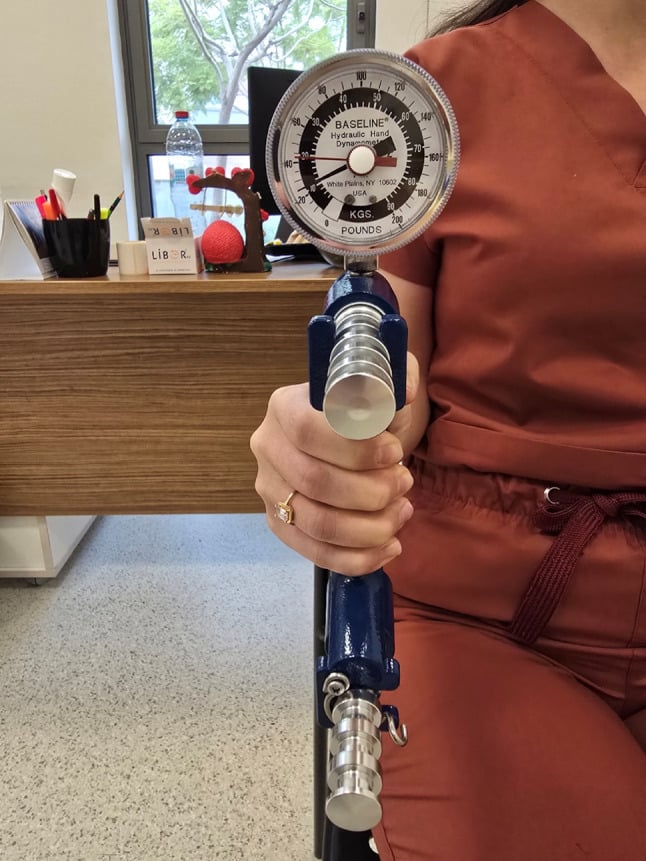
Magnetic resonance imaging scans demonstrated that participants shed fat from their liver, pancreas, and skeletal muscles, while their total muscle volume was largely preserved.15 Relative to the usual-care group, participants in the program increased their handgrip strength by 7.6 percent and boosted their cardiovascular fitness relative to body weight by 10.3 percent.13 The participants also recorded reductions in resting blood pressure, fewer depressive symptoms, and lower levels of diabetes-related emotional distress.13
Why is preserving muscle crucial during rapid weight loss?
Muscle mass serves as the body's primary reservoir for disposing of dietary glucose and sustaining baseline metabolic expenditure. When patients lose substantial weight through crash diets or appetite-suppressing drugs without resistance training, lean tissue often accounts for a substantial fraction of the shed mass. Preserving functional muscle ensures that patients maintain physical strength, metabolic capacity, and physical independence as they age.
The trial enrolled 96 adults between the ages of 18 and 45 who were living with obesity and had received a type 2 diabetes diagnosis within the previous six years, with an average participant age of 38 and an average body mass index of 35.2.21 None of the recruited individuals were taking insulin.25 The investigation was led by Kaberi Dasgupta, a senior scientist at the Research Institute of the McGill University Health Centre, and Tom Yates, a professor at the University of Leicester, with clinical sites in Montreal, Edmonton, and Leicester.4
In their published findings, the researchers concluded that "our findings indicate muscle mass preservation is achievable with rapid weight loss."1 By verifying that muscle volume stayed stable while ectopic fat vanished, the trial showed that severe calorie restriction does not inevitably degrade physical conditioning when paired with structured workouts.31
What are the limits of a six-month trial?
The six-month clinical trial cannot establish whether participants maintain their normal blood sugar levels once regular daily life resumes without structured supervision.12 Lifestyle interventions for metabolic disease frequently encounter high rates of weight regain over multi-year horizons, which can cause blood glucose levels to deteriorate back into diabetic ranges.1 The trial ended at 24 weeks, leaving the multi-year durability of the intervention untested.
The study design also did not include a diet-only comparison cohort, meaning the researchers could not experimentally isolate the distinct contribution of physical training from that of caloric restriction.35 Although the retention of muscle volume and the gains in handgrip strength align with known adaptations to resistance training, the protocol evaluated the two therapies solely as a combined package. Additionally, the small sample of 96 participants recruited across three academic centers limits the immediate generalizability of the findings across broader demographic populations.25
Adhering to the demanding protocol proved challenging for many participants. Only 40 percent of the intervention group fulfilled every adherence benchmark across the full 24 weeks.1 Although no serious adverse events occurred, 43 of the 50 participants in the lifestyle group reported mild or moderate side effects, including headaches, constipation, dizziness, and fatigue, particularly during the initial weeks of severe calorie restriction.13 Some patients also experienced exercise-related muscle soreness and minor strains.1
The findings nevertheless indicate that early-onset type 2 diabetes can be reversed without surgical intervention in motivated patients who receive structured clinical support.32 Because the approach relies on temporary meal replacements and targeted workouts rather than lifelong medication, it may offer practical advantages for younger adults, particularly those who are planning a pregnancy.3 The researchers noted that future trials must evaluate whether community-based programs can replicate these results over longer periods in everyday healthcare settings.35
The record
37 sentences trace to 5 sources.
-
1
TP
 Tibi Puiu
Document
· zmescience.com · 4 Nov 2026
More Than Half of Young Adults with Type 2 Diabetes Went into Remission After Following This Program
See the source
- 2 Type 2 Diabetes: 54% Young Adults Enter Remission with Diet, Exercise See the source
- 3 Half of young adults with type 2 diabetes reach remission through diet and exercise - Health e-News See the source
- 4 Randomized trial shows 54% of younger adults achieve type 2 diabetes remission — Evidence Review See the source
-
5
F
 foxnews.com
Third-party reporting
· foxnews.com · 3 Nov 2026
Type 2 diabetes patients 21 times more likely to achieve remission with intensive lifestyle changes
See the source