Ancient tomb in Siberia reveals the earliest known ritual cannabis use
Chemical traces preserved in ancient hair suggest nomadic pastoralists used the psychoactive plant nearly three millennia ago, potentially easing the final moments of victims in sacrificial funerary rites.
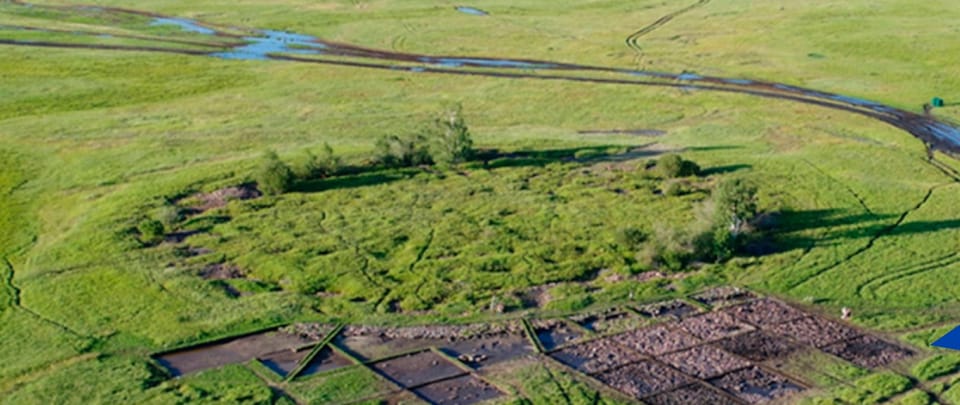
Across the steppes of Central Asia, ancient communities sent their dead into the afterlife surrounded by livestock, timber chambers and carefully chosen personal possessions. Funerary customs among nomadic pastoralists frequently involved intricate ceremonies designed to mark the transition of high-status individuals, often demanding substantial sacrifices from the living community. In southern Siberia, ancient graves have yielded preserved clothing, horse tack and timber architecture, but the exact cultural practices that accompanied these early burials have long remained difficult to reconstruct from physical remains alone.
Understanding what took place during these burial ceremonies matters because it clarifies how prehistoric cultures managed death, communal mourning and social hierarchy. When high-status figures died, burial rituals served as public demonstrations of power and belief, shaping relationships between rulers and subjects. Organic residues that survive within these tombs offer rare, direct testimony about the specific plants and substances that early steppe societies integrated into their spiritual and medicinal traditions.
How does ritual plant use leave a trace in ancient remains?
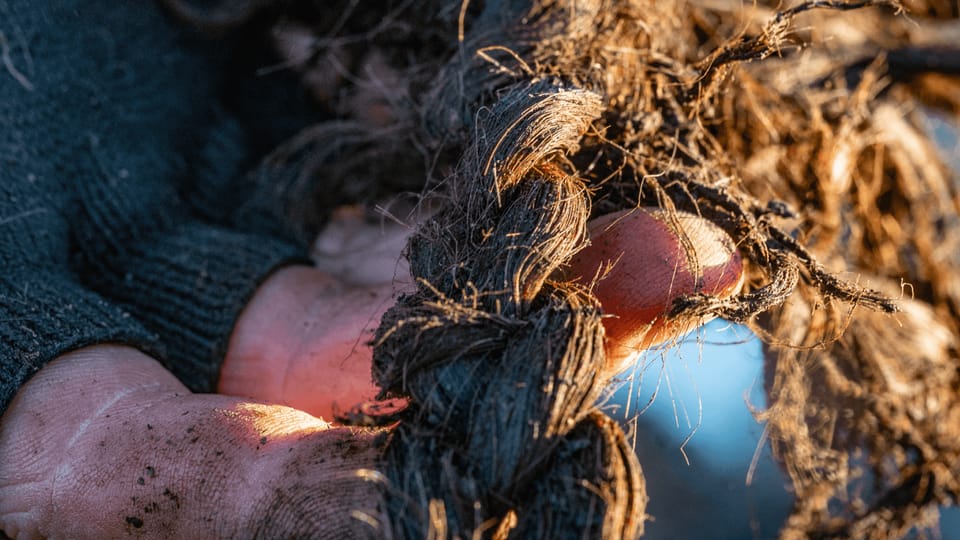
Hair acts as a lasting chemical archive of what a person ingested during life because circulating compounds enter hair follicles through the bloodstream and bind permanently into growing keratin strands. When someone inhales or digests plant material, the body breaks down the chemical constituents, releasing active molecules and their metabolic byproducts into systemic circulation. As hair cells divide and mineralize, those compounds become locked within the protein matrix, remaining stable over millennia if the surrounding soil remains cold, dry and undisturbed. Finding both whole botanical specimens and those matching molecular compounds inside a single grave allows archaeologists to connect physical plant deposits with actual human consumption.
Archaeologists working in the Uyuk valley of southern Siberia have uncovered evidence showing that people used cannabis for its psychoactive properties roughly 2,800 years ago.1 A research team led by Gino Caspari, an archaeologist at the Max Planck Institute of Geoanthropology in Jena, Germany, examined an elite burial mound known as a royal mound at the Tunnug archaeological site.1 The researchers discovered that mourners deposited cannabis alongside deceased individuals whose burials coincided with large-scale sacrifices, pushing back the confirmed timeline of psychoactive cannabis consumption by roughly three centuries.1
Earlier research had already established that steppe populations engaged with cannabis, but the chronology of its psychoactive exploitation remained uncertain. The ancient Greek historian Herodotus recorded in the fifth century B.C. that Scythian nomads inhaled the fumes from burning hemp seeds in small tents. Physical evidence of cannabis use had previously surfaced at an ancient cemetery in China dated to approximately 500 B.C., which until now represented the oldest confirmed archaeological evidence of such consumption.1 The Tunnug discovery demonstrates that communities in Siberia actively sought the intoxicating properties of the plant hundreds of years before those historical accounts and Chinese finds.1
What did archaeologists uncover inside the Siberian burial mound?
Excavations at the Tunnug site revealed wooden chambers containing log coffins, positioned beneath layers of sacrificed horses and human remains. Archaeologists found four distinct wooden structures built from logs in the center of the mound, each housing several log coffins.1 Directly above these timber burial enclosures lay horse skeletons that once formed what researchers describe as a spectral cavalcade, reflecting an ancient Scythian funerary custom involving the deliberate sacrifice of horses and people.1 Inside the central timber chambers, the team recovered more than 1,000 whole cannabis seeds and roughly 500 partial seeds scattered among the grave goods.1
Radiocarbon dating of the recovered seeds placed the burial between 800 and 760 B.C., firmly establishing the site within the early Scythian cultural horizon.1 The seeds belonged to Cannabis ruderalis, a wild variety of cannabis native to the region.1 To confirm whether the plants were present merely as raw materials or had been consumed, the researchers analyzed several human hair samples recovered from the grave shafts.1 Laboratory testing detected molecular traces matching cannabinol and tetrahydrocannabinol, commonly known as THC, the primary psychoactive compounds produced by cannabis plants.1
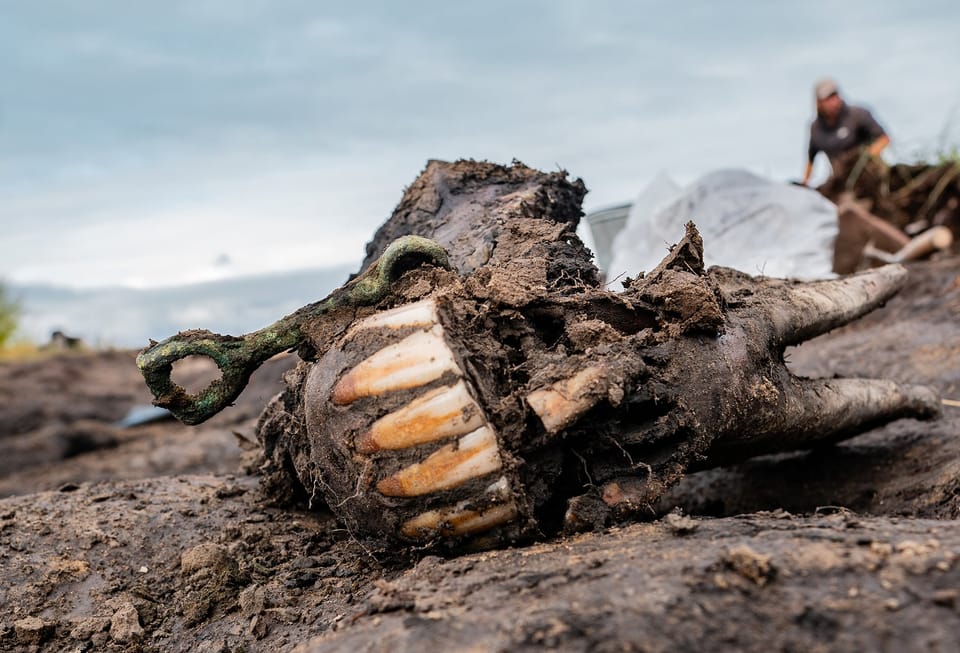
The physical context of the tomb suggests the drug may have played a specific role in managing violent funeral rites. The burial was accompanied by horse sacrifices and, according to the researchers, human sacrifices as well.1 In a statement on the discovery, Caspari said: “The molecular traces in the hair and the cannabis seeds come from the same grave and suggest that cannabis was used for its intoxicating properties.”1 The authors noted in the study that the customary inclusion of human victims would have potentially made the plant a useful agent to calm individuals who were selected for ritual execution.1
What are the limits of the archaeological evidence?
The chemical signals detected in the hair samples cannot reveal the precise quantity of cannabis the buried individuals consumed or the frequency of their intake. While analytical instruments successfully identified tetrahydrocannabinol and cannabinol molecules locked within keratin fibers, the tests could not establish dosage levels or determine whether consumption occurred over months or in a single administration before death.1 The findings represent physical residues from a single elite burial complex rather than a continuous record of regional drug habits across ordinary steppe settlements. Furthermore, the conclusion that the plant was administered specifically to sedate human sacrifice victims remains an informed interpretation based on the presence of sacrificed bodies, rather than an indisputable certainty recorded in text or imagery.
The study, published in the journal Science, changes historical understanding of how early Asian societies utilized local flora.1 Cannabis originated in Asia and saw widespread cultivation thousands of years ago, providing fibers for durable ropes and textiles as well as seeds grown as an oilseed crop starting around 6,000 years ago.1 The Tunnug artifacts prove that pastoral communities in Central Asia had already recognized and harnessed the neurological effects of wild hemp varieties by the early eighth century B.C.1
Where does research at the Tunnug site go next?
Future investigations will focus on the genetic history of the plant remains to trace how ancient people domesticated and transported wild cannabis strains across the continent. Caspari noted that researchers have already begun sequencing genetic material from some of the botanical samples retrieved from the burial mound.1 Comparing the ancient DNA of the Tunnug seeds with modern and archaeological cultivars will help geneticists map the geographic routes along which cannabis spread as nomadic trade networks expanded across Eurasia.
The record
20 sentences trace to 1 source.
-
1
KK
 Kristina Killgrove
Document
· livescience.com · 5 Nov 2026
2,800-year-old tomb in Siberia has evidence of the earliest use of cannabis — possibly as a way to calm human sacrifice victims
See the source