Rerouting commercial ships around whale shark hotspots adds little fuel burn
Slowing down on short routes and steering around whale shark aggregation zones on longer voyages adds less than one percent to tanker fuel use, according to voyage simulations.
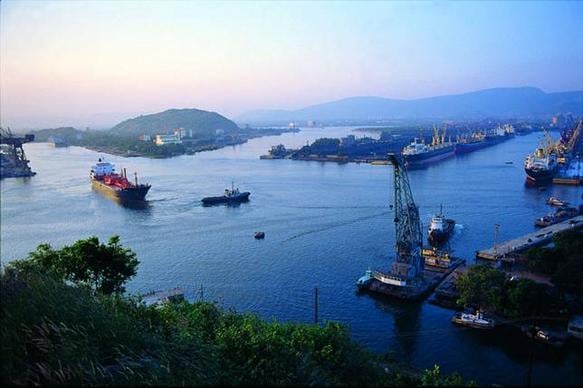
Vessel strikes pose a persistent threat to large ocean animals across commercial shipping lanes. Cargo ships and crude oil tankers share deep-water channels with at least 75 marine species that surface to feed or migrate, including whale sharks, the largest fish in the sea.1 A longstanding assumption across maritime transport has held that altering established navigation channels or diverting ships around vulnerable marine habitats would consume excessive amounts of marine fuel, driving up operating overhead and industrial greenhouse gas pollution.
A ship cruising through open water burns fuel at a rate governed by engine workload, travel distance, and hull speed. When a vessel approaches an aggregation zone where ocean megafauna gather, captains have two primary options: alter course to navigate around the perimeter, or reduce speed until the ship clears the corridor. A longer course adds nautical miles, which burns additional fuel if propulsion remains constant. Slowing the vessel down, however, sharply reduces hydrodynamic drag against the hull, which allows marine engines to operate at higher fuel efficiency over the same distance.
A study published on November 1, 2026, in the journal Royal Society Open Science reveals that avoiding sensitive habitats imposes only a minor fuel penalty on longer commercial voyages.1 Researchers Ryan R. Reisinger, Przemyslaw A. Grudniewski, Freya C. Womersley, David W. Sims, and Adam J. Sobey used commercial shipping trip optimization software to evaluate alternative sailing plans.1 The authors mapped whale shark aggregation sites against typical commercial lanes and simulated eight crude oil tanker crossings originating in the Persian Gulf and the Gulf of Mexico.1 Their calculations indicate that diverting tankers around critical wildlife habitats requires only 1 percent extra fuel on trips lasting six days or longer, and only 0.5 percent more fuel on voyages that exceed 12 days.1
How much extra fuel does avoiding marine wildlife require?
Diverting large crude oil tankers around designated whale shark habitats increases voyage fuel consumption by 0.5 to 1 percent relative to baseline optimized routes on extended ocean voyages.1 For voyages running six days or longer, Reisinger and colleagues determined that navigating around no-go conservation zones increases total voyage fuel burn by 1 percent.1 On crossings exceeding 12 days, the simulated fuel penalty fell to 0.5 percent relative to unconstrained routes.1 For shorter journeys, rerouting caused a steeper percentage rise in fuel consumption because the detour added a larger relative distance to the overall voyage.1
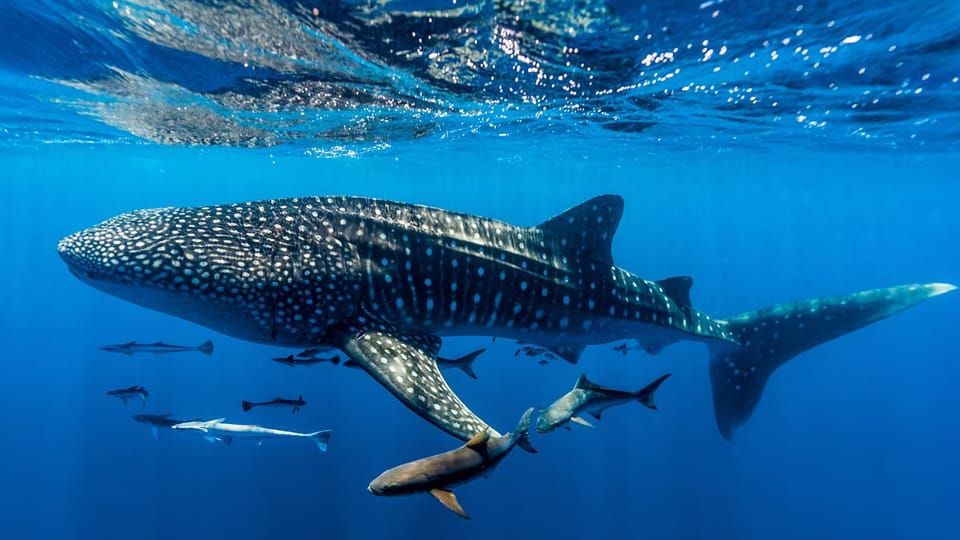
Restricting travel speed produced a completely different fuel profile. When the researchers modeled speed reduction zones with a 10-knot limit across core whale shark habitats, the slower travel pace improved overall fuel efficiency on shorter passages while reducing the likelihood of physical collisions with animals.1 The modeling revealed that speed reduction generally resulted in lower fuel impacts across voyages owing to limited speed adjustments and shorter direct travel paths compared with circular perimeter diversions.1
Why does slowing down save fuel while rerouting burns more on short voyages?
Slowing vessel speed reduces fuel consumption because water resistance against a tanker hull drops rapidly as speed decreases, whereas circumnavigating a zone adds fixed mileage. On a short crossing, steering a tanker around a protected perimeter requires the ship to travel significantly farther than its baseline path, causing fuel use to rise substantially. On voyages spanning thousands of nautical miles over two weeks, adding a small detour around an aggregation site represents an insignificant portion of total transit distance, keeping fuel increases below 1 percent.
The study notes that whale shark populations have documented declines over recent decades.1 While conservation campaigners frequently attribute that decline to vessel strikes by merchant shipping, other factors including indigenous fishing also affect population numbers.1 Because commercial vessels are massive, the true frequency of lethal strikes across the 75 affected marine species remains difficult to verify directly from ship decks.1
What prevents shipping fleets from adopting these changes?
Commercial disparities and international regulatory fragmentation prevent global shipping fleets from voluntarily adopting wildlife avoidance corridors.1 In maritime commerce, a 1 percent change in total fuel expense represents a substantial financial sum over annual operating budgets.1 Shipping operators in competitive international markets face disincentives to absorb route detours unilaterally if foreign competitors, such as state-supported fleets from China, refuse to follow identical constraints and continue using direct routes without emissions restrictions.1
The research relies on computer simulations rather than direct fleet-wide trial runs. Reisinger and colleagues modeled eight specific crude oil tanker routes departing from the Persian Gulf and the Gulf of Mexico, using voyage optimization algorithms to compare no-go restricted zones against 10-knot speed zones.1 The simulations cannot determine whether global shipping operators will observe conservation zones without compulsory international mandates. Reisinger and colleagues argue that democratic nations must enact mandatory navigation policies because commercial carriers are unlikely to alter routes voluntarily.1 Establishing whether international maritime regulators will turn these simulation models into enforceable navigation corridors remains an open question.
The record
19 sentences trace to 1 source.
-
1
S2
 Science 2.0
Document
· science20.com · 11 Nov 2026
Activists Claim Rerouting Ships To Avoid Whales Is Too Much Pollution - Science Says No
See the source