A chameleon vine might simply change leaves with the weather
Controlled tests show a South American vine alters foliage across seasons rather than copying the trees it climbs
A climbing vine in the temperate rainforests of Chile and Argentina has long puzzled botanists with its apparent capacity to copy the leaves of trees supporting it.12 According to field reports over the past decade, Boquila trifoliolata, a twining woody vine, appears to modify the size, outline, and coloration of its foliage to match whatever host it ascends.12 Some researchers even proposed that the vine might perceive visual cues from nearby plants, or receive genetic signals from plant-dwelling microbes, altering its growth to avoid hungry herbivores. Yet this striking imitation may rest on a much simpler misunderstanding of how the plant develops.
Understanding plant appearance matters because genuine mimicry requires dedicated evolutionary adaptations, whereas ordinary structural variation is common across the plant kingdom. If a vine can sense and imitate unrelated species without physical connection, evolutionary biologists would have to rethink plant perception and signalling. If the vine simply produces different kinds of leaves on its own, the mystery dissolves into ordinary biology.
For true mimicry to take place, a plant must take in a distinct cue from an adjacent organism, translate that information through internal chemical pathways, and direct developing buds to alter their final form to match that external model. When those cues are absent, genuine mimicry ceases. If diverse shapes continue to emerge without any model present, those physical changes must be driven by internal genetic programs or basic seasonal conditions.
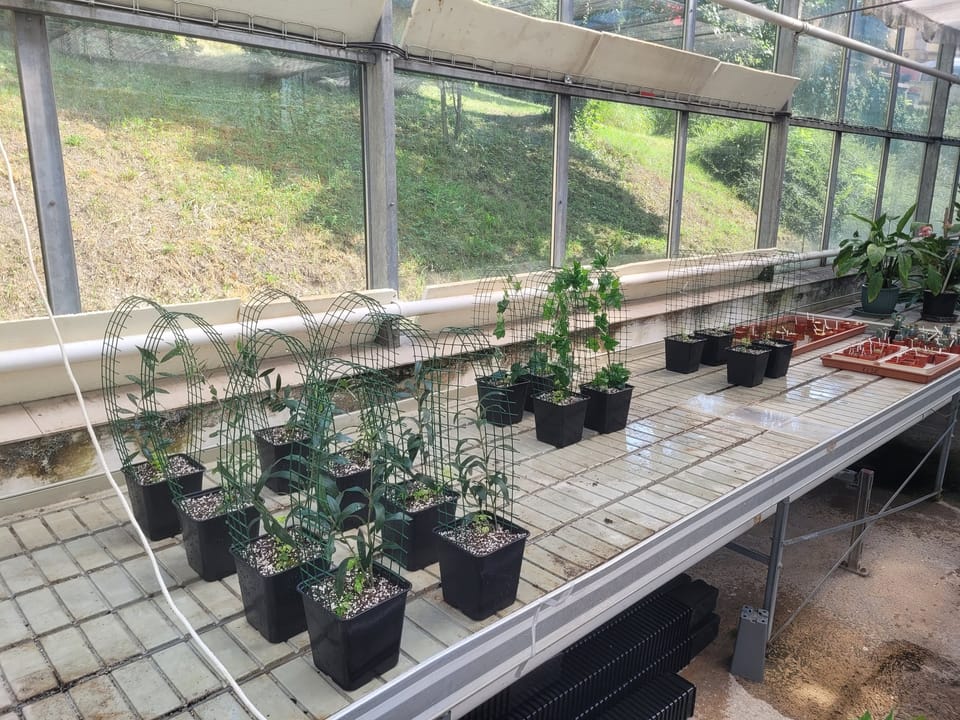
New research indicates that Boquila trifoliolata produces its unusual range of leaf outlines regardless of whether any host plant is nearby. In a preprint posted on bioRxiv on September 7, 2026, researchers at Charles University in Prague reported that clonal cuttings grown under controlled greenhouse conditions developed diverse leaf contours, including shapes resembling English ivy, in completely empty settings without any host contact.2
Did the vine change shape to match its hosts?
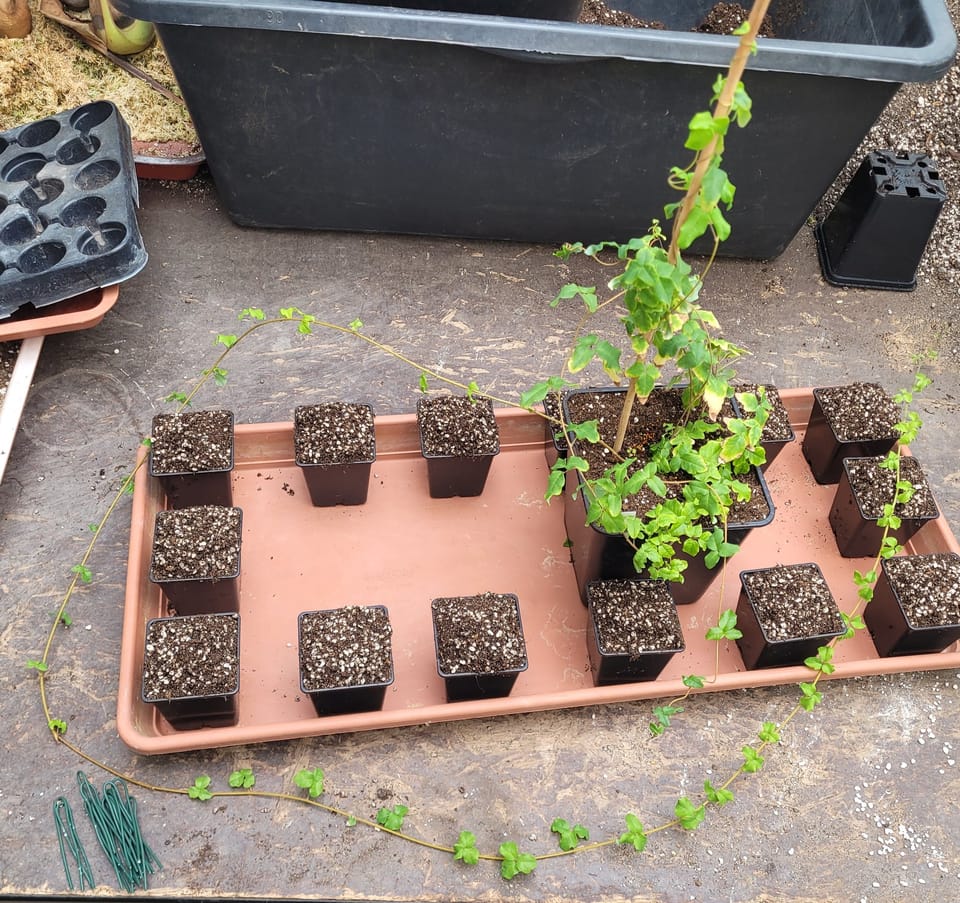
The vine produced variable foliage under controlled conditions without showing any measurable preference or matching response to nearby plants.23 Fatima Cvrčková, a researcher at Charles University, and colleagues cultivated genetically identical cuttings of Boquila trifoliolata in a greenhouse, providing them with living olive trees (Olea europaea), artificial plastic olive decoys, or artificial plastic ivy supports.2 While the climbing stems developed a broad spectrum of leaf shapes, the authors reported that statistical comparisons revealed no correlation between leaf geometry and the identity, presence, or surface texture of any companion host.23
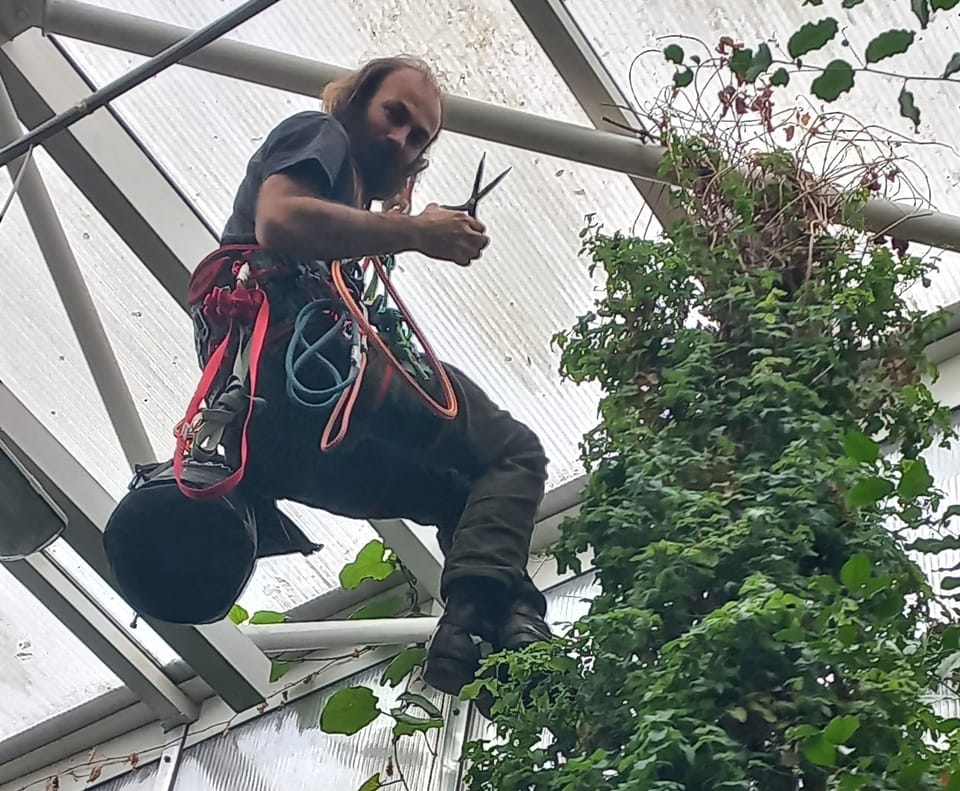
The scientists documented that isolated vines cultivated entirely without support structures still developed distinctly lobed and variable leaflets.23 Fatima told Primary that seeing those lobed forms in empty enclosures did not surprise the team because their hypothesis envisioned a continuous response rather than an all-or-nothing reaction. She said the team expected "something like a gradual shift towards greater similarity to the host" rather than an immediate transformation, leading them to collect comprehensive measurements before drawing conclusions.
Statistical evaluation confirmed that climbing on an olive branch did not narrow or simplify the leaflets to match the companion plant. Fatima explained to Primary that finding a measurable transition toward simpler outlines would have provided clear evidence of imitation, observing that "olive stood quite far apart from any Boquila leaves we measured" according to their geometric criteria. A shift of leaf geometry toward the olive form would have substantiated mimicry, but the measured plants showed no such adjustment.
What causes the leaves to change if not a host?
Leaf morphology shifted according to broad environmental factors, including the annual season in which the foliage grew.23 The study found that leaf geometry changed substantially between growth periods, pointing to cyclical seasonal cues rather than neighbor recognition as the primary driver of leaf variation. Fatima told Primary that seasonal shifts in day length and temperature are already known to govern leaf geometry in other species, citing cultivated grapevines as an example of marked structural plasticity that occurs without any suspicion of mimicry.
Plants regulate their structural growth by tracking light and temperature through internal biological systems. Fatima explained to Primary that plant cells use a molecular circadian clock to measure day length and track prolonged cold periods to prevent mistimed developmental transitions. A specialized light receptor called phytochrome enables plants to assess shading by distinguishing light filtered through competing canopy vegetation from shadow cast by inert objects. Internal hormonal signals like phytohormones then adjust cellular expansion, causing leaves that unfurl during distinct seasons or under specific lighting conditions to develop markedly different outlines.
These findings suggest that field naturalists observing vines winding through forest canopies may have mistaken discontinuous leaf plasticity, an inherent capacity to produce varied forms under changing temperature and light, for active imitation.23 When a vine produces distinct types of leaves in response to canopy light levels or temperature cycles, a casual observer might easily pair each leaf shape with a neighboring branch and conclude that an intentional copy occurred.
What can the greenhouse experiment leave unanswered?
The experimental setup tested only a single genetic line of Boquila trifoliolata supported by artificial structures and cultivated Mediterranean olive plants.23 Olive trees do not exist in the temperate forests of southern Chile, meaning the vine encountered an ecologically foreign species rather than an evolutionary companion. Fatima noted that a specimen cultivated in a greenhouse for more than a decade might have become "quite 'spoiled'" and lost some of the developmental responsiveness retained by wild forest populations. Furthermore, the greenhouse cuttings never formed the serrated leaf margins observed in wild photographs, while their lobed, ivy-like leaflets had not been documented in earlier field surveys.
Prior field research published in 2021 in Scientific Reports by Ernesto Gianoli and colleagues indicated that wild vines shared distinctive endophytic bacterial communities with native host trees such as Rhaphithamnus spinosus, a thorny woodland tree. That field study showed that mimetic vine leaves shared 255 unique bacterial operational taxonomic units with their host tree, compared to only 79 shared between non-mimetic vine leaves and the tree.1 Fatima stated in response to questions from Primary that although the Prague greenhouse maintained a complex community of resident microbes rather than sterile air, differences in airborne or leaf-dwelling bacteria between central Europe and Chilean forests could influence morphology. She noted that wild vines might possess chemical relationships with native trees that an artificial setup cannot detect.
Furthermore, the work is a preprint that has been posted to bioRxiv and has not yet undergone formal peer review by independent experts. The experimental findings describe leaf outlines measured in glasshouse pots rather than long-term observations in Chilean old-growth canopies. The trial was limited to one cloned plant line growing on artificial supports and non-native potted trees, leaving open the question of whether diverse wild genotypes exhibit specialized responses when twining around native hosts.
What happens next for the mimicry debate?
Resolving the debate will require testing wild forest vines across their native geographical range with standardized morphometric tools. Fatima told Primary she hopes the methodology will encourage researchers to visit the Valdivian rainforests of Chile or Argentina to sample hundreds of matched leaf pairs, pointing out that researchers need only a standard office scanner, a personal computer, and open-source software to quantify foliage outlines. Systematic field measurements could determine whether vine leaves vary continuously along natural light gradients before botanists seek exotic explanations like plant vision.
Fatima described the existence of leaf mimicry in Boquila trifoliolata as an unresolved question, concluding that the Prague project provides quantitative tools to test wild populations rigorously. Systematic mapping across natural canopy microclimates will ultimately determine whether this rainforest climber possesses an extraordinary sensory capacity or simply an unusually flexible leaf development program.
This piece was prepared from the bioRxiv preprint and public records together with answers from Fatima to 6 questions from the Primary news team, completed September 2026.
The record
25 sentences trace to 3 sources and 1 contributor.
-
1
N
 nature.com
Paper
· nature.com
Endophytic bacterial communities are associated with leaf mimicry in the vine Boquila trifoliolata - Scientific Reports
Journal article
See the source
-
2
CF
 Cvrckova, F., Sonka, J., Bezvoda, R., Krtkova, J., Konradova, H., Zarsky, V.
Paper
· biorxiv.org · 7 Sep 2026
Endogenous and environmentally modulated leaf shape plasticity in Boquila trifoliolata: how good is the evidence for mimicry?
Preprint · may not have been peer reviewed
See the source
-
3
B
biorxiv.org
Paper
· biorxiv.org
Endogenous and environmentally modulated leaf shape plasticity in Boquila trifoliolata: how good is the evidence for mimicry?
Preprint · may not have been peer reviewed
See the source
- 4 Contribution — Fatima 14 statements added to this article
Other consulted pages2 pages
biorxiv.org1 page
Article history
-
Published 13 Nov 2026, 14:16Assembled by the Primary desk from 3 sources · 1 contributor · 25 cited sentences
-
Fatima
- Go to the sentence: Fatima told Primary that seeing those lobed forms in empty enclosures did not surprise the team because their hypothesis envisioned a continuous response rather than an all-or-nothing reaction.
- Go to the sentence: She said the team expected "something like a gradual shift towards greater similarity to the host" rather than an immediate transformation, leading them to collect comprehensive measurements before drawing conclusions.
- Go to the sentence: Statistical evaluation confirmed that climbing on an olive branch did not narrow or simplify the leaflets to match the companion plant.
- Go to the sentence: Fatima explained to Primary that finding a measurable transition toward simpler outlines would have provided clear evidence of imitation, observing that "olive stood quite far apart from any Boquila leaves we measured" according to their geometric criteria.
- Go to the sentence: A shift of leaf geometry toward the olive form would have substantiated mimicry, but the measured plants showed no such adjustment.
- Go to the sentence: Fatima told Primary that seasonal shifts in day length and temperature are already known to govern leaf geometry in other species, citing cultivated grapevines as an example of marked structural plasticity that occurs without any suspicion of mimicry.
- Go to the sentence: A specialized light receptor called phytochrome enables plants to assess shading by distinguishing light filtered through competing canopy vegetation from shadow cast by inert objects.
- Go to the sentence: Internal hormonal signals like phytohormones then adjust cellular expansion, causing leaves that unfurl during distinct seasons or under specific lighting conditions to develop markedly different outlines.
- Go to the sentence: Olive trees do not exist in the temperate forests of southern Chile, meaning the vine encountered an ecologically foreign species rather than an evolutionary companion.
- Go to the sentence: Fatima noted that a specimen cultivated in a greenhouse for more than a decade might have become "quite 'spoiled'" and lost some of the developmental responsiveness retained by wild forest populations.
- Go to the sentence: Furthermore, the greenhouse cuttings never formed the serrated leaf margins observed in wild photographs, while their lobed, ivy-like leaflets had not been documented in earlier field surveys.
- Go to the sentence: She noted that wild vines might possess chemical relationships with native trees that an artificial setup cannot detect.
- Go to the sentence: Fatima told Primary she hopes the methodology will encourage researchers to visit the Valdivian rainforests of Chile or Argentina to sample hundreds of matched leaf pairs, pointing out that researchers need only a standard office scanner, a personal computer, and open-source software to quantify foliage outlines.
- Go to the sentence: Fatima described the existence of leaf mimicry in Boquila trifoliolata as an unresolved question, concluding that the Prague project provides quantitative tools to test wild populations rigorously.