Divided doses of LSD ease mouse depression without triggering full hallucinations
Giving mice twenty minute fractions of a psychedelic drug over an hour reduced despair-like behavior while blunting the classic twitching response tied to a sensory trip.

A drug that alters the brain does not always produce the same biological outcome when its delivery changes. In medicine, the spacing and velocity of a chemical entering the bloodstream frequently dictate whether target cells adapt, shut down, or initiate alternative signaling cascades. When a therapeutic molecule binds to receptors on cell membranes, delivering the compound in rapid succession or across a sustained taper can redirect the internal pathways activated beneath the surface.
That distinction between chemical identity and delivery schedule is central to treating major depressive disorder with psychedelic compounds. Conventional psychedelic therapies require an intense, multi-hour hallucinogenic experience that demands continuous supervision by trained clinicians in specialized settings. If the cellular mechanisms that lift mood can be triggered independently from the pathways that induce intense perceptual alterations, treatments could become far more accessible and easier to administer.
A study published on October 23, 2026, in Nature Neuroscience by a research group in Shanghai indicates that changing the rhythm of administration can separate those behaviors in rodents.1 By dividing an otherwise potent amount of lysergic acid diethylamide, commonly known as LSD, into twenty minute fractions injected every three minutes over an hour, the scientists preserved prolonged antidepressant-like responses in mice while dampening the physical movements associated with psychedelic intoxication.1
How does the timing of a dose change its biological impact?
The speed at which a drug reaches target cells determines how cellular receptors respond to its presence. When receptor proteins on a cell surface encounter an abrupt flood of molecules, they often react by triggering immediate physiological reactions. In contrast, gradual or rhythmic exposures can allow receptor complexes to recruit different intracellular partner proteins, altering downstream biochemical cascades before the primary signaling system reaches full activation.

Similar timing dependencies exist across modern pharmacology. For example, parathyroid hormone accelerates bone degradation when levels remain constantly elevated in systemic circulation, yet the same hormone stimulates new bone formation when administered as a single daily spike.1 In a pivotal clinical trial of 1,637 postmenopausal women receiving daily injections or a placebo, new spinal fractures occurred in 5 percent of women receiving a 20-microgram dose compared with 14 percent of participants receiving the placebo.1 Nicotine similarly produces far more addictive neurochemical reinforcement when inhaled rapidly through cigarette smoke than when absorbed steadily through a transdermal patch.1
In standard psychedelic therapy, the entire chemical quantity arrives at once, triggering an intense sensory trip that occupies substantial clinical resources. In a trial evaluating an LSD-based drug for depression, participants required an average duration of 5.8 hours, with a median of 5.1 hours, to satisfy the company criteria for concluding a clinic session.1 Regulators have maintained cautious oversight over these protocols: the Food and Drug Administration has agreed to evaluate a psilocybin application under a rolling review process, while the United States Department of Veterans Affairs participates in 20 active clinical trials exploring psychedelic compounds.1
Why would tiny sequential injections blunt a hallucinogenic response?
Molecules of LSD linger unusually long inside the serotonin 2A receptor, technically designated the 5-HT2A receptor, which sits on the outer membrane of neurons.1 Because the drug detaches slowly from the binding pocket, small micro-quantities administered minutes apart accumulate progressively across the available receptor population.1 Psilocin, the biologically active metabolite of psilocybin, releases from the receptor far more quickly, which the authors suggest explains why the two substances responded differently during laboratory assays.1
The serotonin 2A receptor communicates through at least two separate internal signaling routes inside brain cells.1 One immediate pathway, mediated by a protein group called G-alpha-q, corresponds with intense perceptual shifts and acute psychedelic actions.1 A secondary signaling chain, involving an intracellular regulatory protein called beta-arrestin 2, appears necessary for establishing lasting antidepressant-like actions.1 In laboratory assays, mice genetically modified to lack beta-arrestin 2 failed to exhibit the one-week behavioral improvements, leading the authors to argue that sequential staircase dosing biases signaling toward this sustained cascade.1
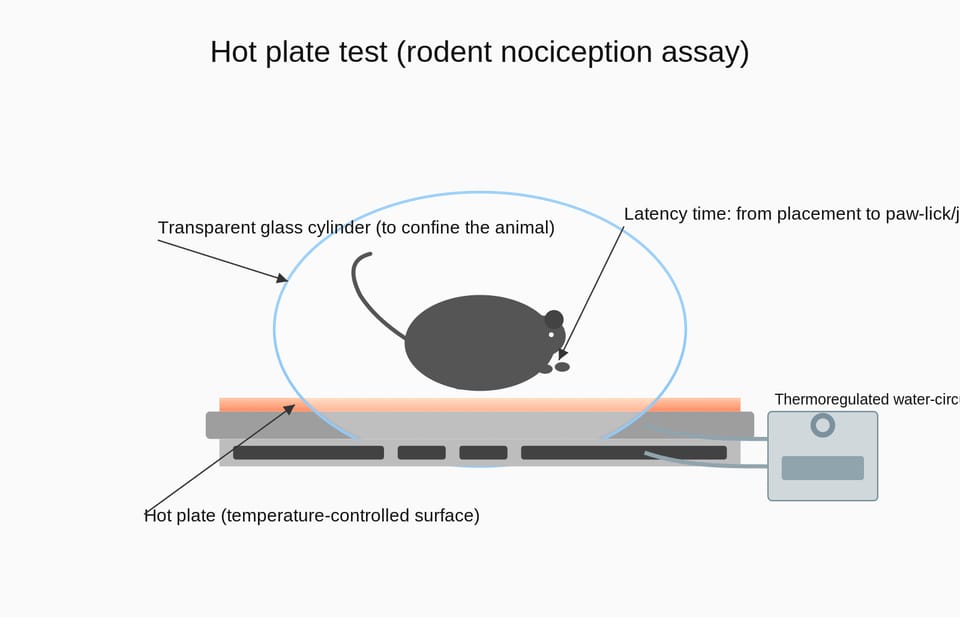
To evaluate that biological hypothesis in live animals, the researchers injected eight mice per experimental cohort with twenty small doses spaced three minutes apart.1 Following the hour-long regimen, the mice demonstrated behavioral changes typically associated with antidepressant action, remaining mobile longer when suspended by the tail and showing greater interest in drinking sweetened water.1 A single injection of the miniature micro-dose produced no observable behavioral shift, whereas a conventional single dose four times larger produced comparable performance on the tail suspension test.1 Furthermore, mice pretreated with the twenty sequential fractions exhibited significantly fewer head twitches when subsequently exposed to a large challenge dose of LSD.1
What are the limits of testing human depression in mice?
Rodent behavioral assays do not capture the emotional complexity of human clinical depression. Rodent reactions during stress evaluations represent survival strategies rather than medical mood disorders, making cross-species extrapolation fundamentally uncertain. The laboratory results reflect drug activity within isolated animal nervous systems rather than verified psychiatric recovery in people.
Adam Halberstadt, an associate professor of psychiatry at the University of California San Diego, cautioned against interpreting rodent immobility as an emotional analogue.1 “Immunity in the FST or TST doesn’t model a specific symptom of depression; rather, it is an adaptive energy-conserving response of a rodent to an inescapable stressor,” Halberstadt stated regarding the behavioral evaluations, adding that while the compounds remain behaviorally active, the metrics lack clear translational relevance to human depression.1 Halberstadt noted equivalent reservations regarding sugar consumption experiments, pointing out that depressed people do not show altered sucrose preference in clinical evaluations.1
External specialists also question whether the reduction in head-twitch movements reflects targeted intracellular signaling or basic pharmacological tolerance. Repeated activation of the 5-HT2A receptor frequently prompts the cell to pull the receptor inward, a process known as internalization that temporarily removes it from service.1 While the researchers reported no obvious drop in receptor binding in the frontal cortex, that measurement evaluated three mice per group without formal statistical analysis.1 In addition, preliminary balance tests in three macaques showed mixed outcomes: only one monkey maintained clear stability on a balance beam following the challenge dose, though two males tested on food retrieval performed better.1 Several authors on the paper also hold commercial stakes, with eight investigators listed on university patent applications covering new 5-HT2A compounds.1
How could split dosing affect future psychiatric treatments?
Pharmaceutical developers are attempting to separate the therapeutic properties of psychedelic compounds from their perceptual effects to simplify treatment delivery. In October 2025, biotechnology firm Delix announced that the Food and Drug Administration had accepted an investigational Phase 2 protocol to assess an at-home compound designed to avoid hallucinogenic actions, following an early 18-patient evaluation that lacked a placebo control group.1 Removing the acute trip could allow patients to take neuroplasticity-promoting medicines at home instead of spending an entire working day under clinical observation.
Translating an animal injection protocol into practical psychiatric care faces steep obstacles. Administering twenty discrete injections over the span of an hour is impractical for human patients, requiring bioengineers to devise continuous infusion pumps, specialized transdermal patches, or controlled oral-release tablets to mimic the pharmacokinetic curve. Matthias Liechti, a clinical pharmacologist at University Hospital Basel, observed that human metabolic rates operate much more slowly than rodent systems, meaning that tolerance dynamics and desensitization timelines will differ substantially between species.1 Determining whether sequential micro-dosing genuinely isolates therapeutic cellular pathways will require clinical trials that compare split-dose administration directly against an identical total quantity given as an individual bolus.
The record
27 sentences trace to 1 source.
-
1
SC
 Sanchana Charles
Document
· scienceblog.com · 14 Nov 2026
Twenty tiny doses of LSD, three minutes apart, had antidepressant-like effects in mice. Is it the rhythm, or just tolerance?
See the source