Permafrost thaw is turning Arctic rivers bright orange
Thawing ancient soils in remote northern watersheds are releasing high concentrations of trapped metals into clear waterways, altering river chemistry across dozens of pristine valleys.
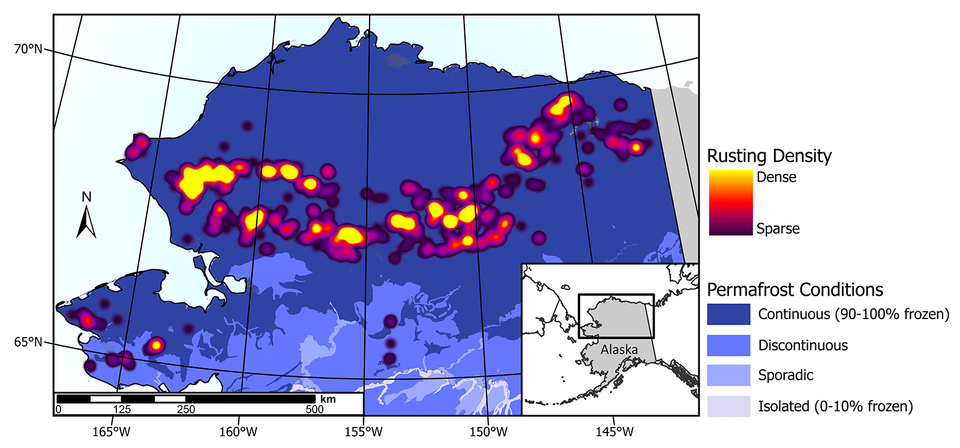
Across the remote valleys of northern Alaska, waterways that once flowed crystal clear are shifting to the color of rust.1 These cold northern streams, which wind through roadless terrain, support communities of fish, aquatic insects, mammals, and migratory birds.1 The sudden discoloration marks an unexpected chemical transformation occurring across untouched northern watersheds.
For decades, scientists regarded these wilderness catchments as relatively insulated from direct surface disturbance because they sit far from industrial sites, roads, and active mines. The dramatic shift in water color indicates that rising temperatures can reshape aquatic environments from below the ground, altering the fundamental chemistry of rivers that wildlife and surrounding ecosystems rely upon.
The transformation follows a direct sequence of subterranean events. Waterways in cold northern regions rest on permanently frozen ground known as permafrost, which functions like a frozen subterranean seal. Deep within these frozen soils, ancient mineral deposits containing iron, sulfur, and other compounds remain locked away from oxygen and liquid water. When regional atmospheric warming melts this permafrost, liquid water percolates deep into newly thawed earth.1 The newly thawed minerals come into contact with oxygen and water, oxidizing to create acidic runoff that leaches heavy metals into surrounding tributary streams.
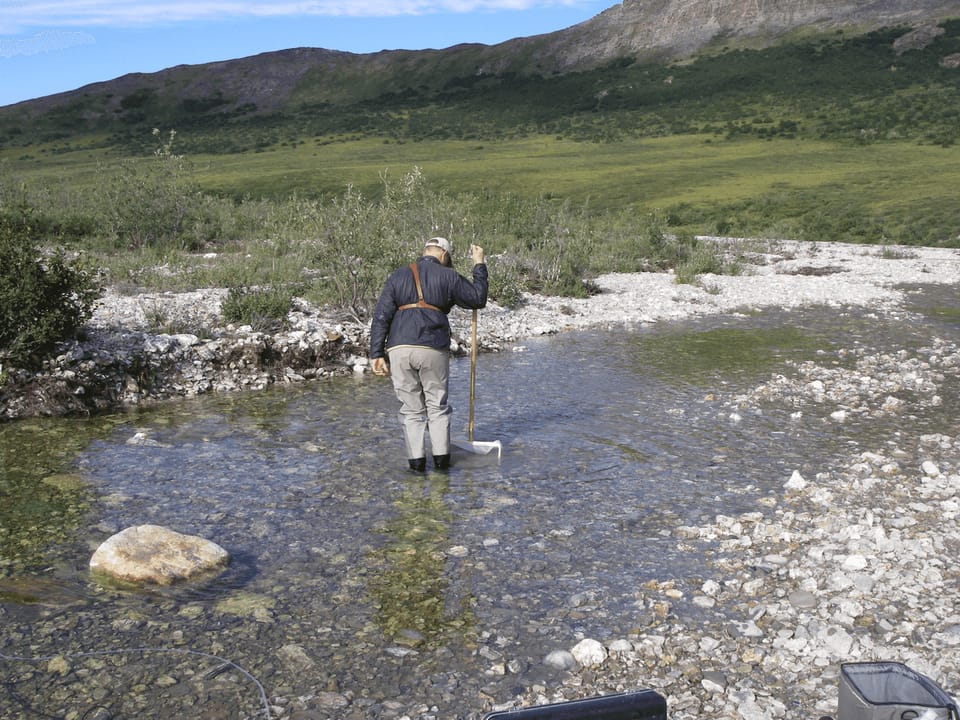
This chemical reaction, known as acid rock drainage, releases both sulfuric acid and dissolved minerals into the aquatic network.1 While acid rock drainage is commonly associated with commercial open-pit mining operations, the Alaskan watersheds experiencing this phenomenon are completely pristine.1 Instead, climate-driven permafrost degradation is driving the process naturally across the landscape, turning dozens of clear mountain channels into turbid, orange-tinted flows.1
How did scientists uncover the spreading discoloration?
The widespread nature of the phenomenon first came to light after biologists noticed an abrupt, total transformation in a single waterway.1 In 2017, Mike Carey, a research fish biologist with the United States Geological Survey, surveyed a remote northern stream and found thriving aquatic life, collecting healthy counts of macroinvertebrates and fish.1 When Carey returned to the exact same tributary in 2018, the small river had turned entirely orange, and he could not locate any fish remaining in the stream.1
What initially seemed like an isolated local event soon revealed itself as a regional pattern. Field researchers from the United States Geological Survey, the National Park Service, and the University of California, Davis, ultimately documented more than 70 separate cases of similar water discoloration across remote parts of Alaska.1 In 2024, a collaborative study published in the journal Communications Earth and Environment established that climate-driven permafrost thaw was triggering the mineral release across these northern river systems.1
Unusual weather patterns during the late 2010s accelerated the underground chemical reaction.1 Warm and wet conditions during 2018 and 2019 intensified the rate of subsurface thaw.1 Alaska recorded its hottest month on record in July 2019, which was followed immediately by an unusually snowy winter.1 Taylor Evinger, a doctoral student at the University of California, Davis, and lead author on the research, noted that heavy winter snow acted as a thick insulating blanket over the ground, preventing the thawed soil from refreezing and allowing water to penetrate deeper into mineral-rich layers.1
How far downstream do the mobilized metals travel?
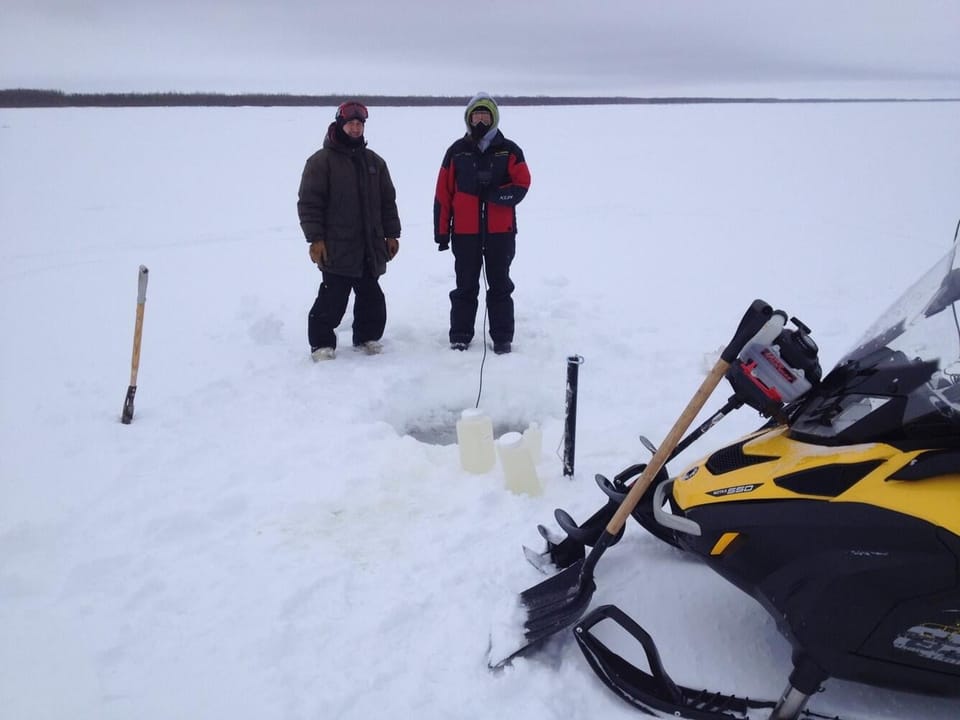
Dissolved minerals and heavy metals travel tens of miles away from their original subterranean thaw zones. In a follow-up investigation published in the journal AGU Advances, researchers from the same collaborative institutions monitored six Alaskan watersheds from 2022 to 2024 to trace the downstream fate of the mobilized metals.1 Water sampling revealed that metal concentrations, including iron, aluminum, manganese, zinc, nickel, and cadmium, remained up to 70 times higher than normal background levels at sampling sites roughly 60 miles downstream from where the drainage originated.1
Despite the high volume of dissolved minerals moving through the tributaries, larger river channels have demonstrated notable natural resilience. Brett Poulin, a researcher at the University of California, Davis, and senior author of the study, reported that larger river mainstems maintained their neutral pH balance by naturally buffering the influx of acidic tributary water.1 That natural buffering capacity prevents the broader river network from becoming excessively acidic, even as elevated levels of metals continue traveling long distances toward coastal estuaries.1
What can the current findings reveal about northern ecosystems?
Current monitoring observations are limited to measured water chemistry and do not represent a comprehensive forecast of long-term biological mortality. Although earlier fish populations vanished from the initial tributary Carey sampled, scientists have not documented massive, widespread fish die-offs in the larger river systems.1 Furthermore, researchers have not observed immediate drinking water contamination issues for local villages downstream.1
The findings illustrate an evolving environmental baseline rather than a static ecological collapse. Researchers have now observed comparable water discoloration in permafrost-rich boreal zones across Canada and other high-latitude landscapes.1 Because millions of square miles of northern soil contain similar mineral structures, the continued thaw of ancient permafrost could steadily alter stream chemistry throughout the circum-Arctic over decades to come.
The record
22 sentences trace to 1 source.
- 1 In a Remote Part of Alaska, a Biologist Returned to a Stream One Year Later and Found It Orange, With No See the source