Severe droughts could strip hundreds of cactus species of their desert habitats
Factoring intense dry spells and rising heat into ecological forecasts reveals that many drought-adapted desert plants face widespread habitat collapse by the end of the century.
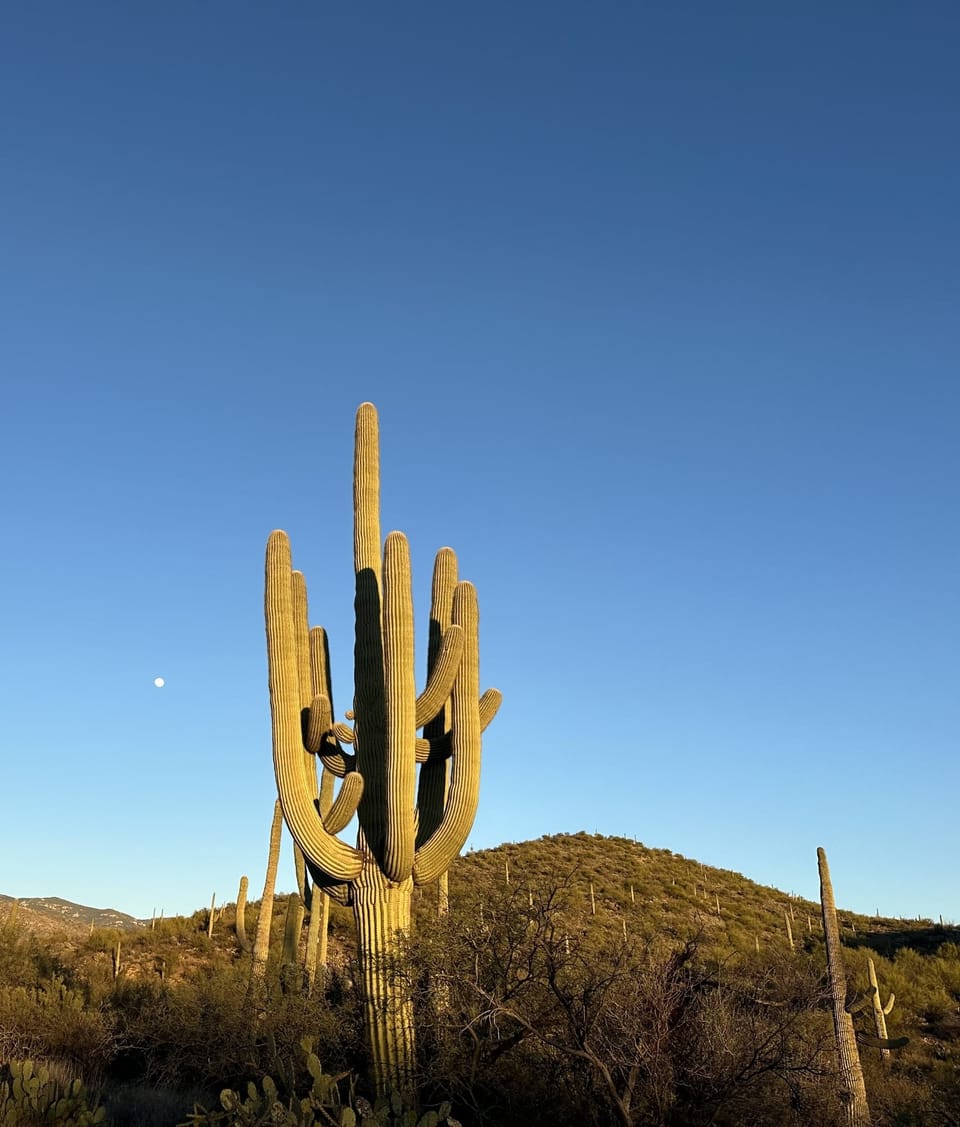
Desert plants have long served as symbols of endurance in the driest corners of the planet. Cacti survive where most vegetation withers, drawing upon thick stems, spiny surfaces, and waxy outer skins that lock in moisture gathered during rare, brief rainstorms.12 These adaptations allow them to anchor fragile arid ecosystems, providing nectar for nocturnal bats, nesting cavities for desert birds, and fruit for thirsty animals during parched seasons.13
Yet even specialized water storage systems have physiological thresholds. A cactus gathers moisture when soil conditions allow, stores that water within cellular tissues, and regulates transpiration by keeping its pores closed throughout the hot daylight hours. To avoid dehydration, the plant opens those pores only during cooler nights to absorb carbon dioxide.1 If the surrounding air stays hot at night, the plant cannot respire without losing vital fluids.1 If rain fails to arrive across consecutive seasons, the plant depletes its stored moisture, suspends flowering, sheds roots, and eventually dies of cellular dehydration or tissue rot.
When intense heat waves and multi-year dry spells strike simultaneously, that survival buffer collapses. A team of researchers led by Michiel Pillet, a conservation ecologist affiliated with the University of Arizona and the University of South Florida, examined how compound climatic extremes reshape living conditions for these plants across the Western Hemisphere.134 The investigation, published in November 2026 in the journal Nature, found that factoring severe drought into ecological distribution forecasts sharply elevates the expected loss of suitable living space across the Americas.4
Why do conventional climate forecasts underestimate risks to desert flora?
Standard species distribution models usually depend on long-term climate averages while leaving out extreme weather events.56 These traditional methods analyze general trends in annual rainfall and mean temperature over many decades. In doing so, they assume that organisms adapted to arid climates can comfortably withstand fluctuations around a historical mean.
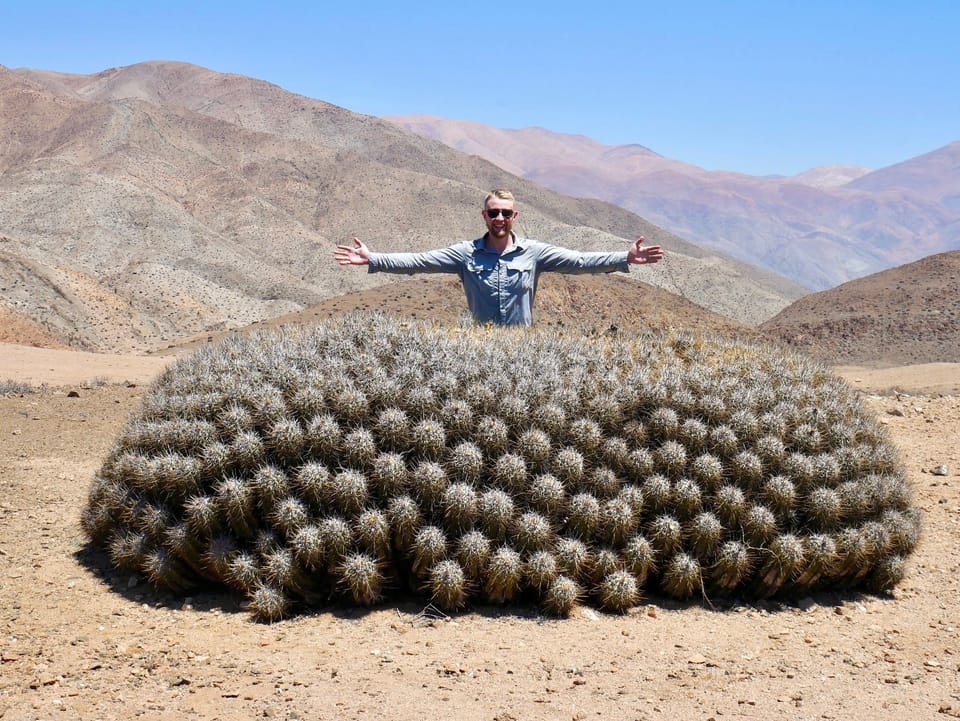
That assumption overlooks the nonlinear damage inflicted by acute climatic shocks. An environment may appear stable in decadal averages while experiencing acute heat waves or consecutive seasons without precipitation that exceed the physiological limits of local flora. Pillet and his colleagues assembled 648,316 wild cactus occurrence records, drawing on biodiversity databases, field surveys, and citizen observations shared through the community science platform iNaturalist.54 The team then combined those records with spatial projections of severe drought that incorporated the drying pressure of warmer ambient temperatures.53
The mathematical evaluation tested whether models that account for severe drought better describe species distributions than models relying solely on average climate conditions. In 91 percent of the cases evaluated, the extreme-drought framework proved superior to conventional mean-climate models.53 Across the 993 evaluated species in the family Cactaceae, the inclusion of drought extremes markedly expanded projected ranges of habitat loss under every global emissions scenario considered.53
How much habitat could cactus species lose by the end of the century?
Projections indicate that more than a quarter of all analyzed cactus species could lose at least 80 percent of their suitable climatic range by 2100.146 When models assume that plants can disperse seeds up to 100 kilometers into newly suitable territory, adding severe drought shifts the share of species experiencing range contractions from 58 to 61 percent up to 69 to 72 percent across different emissions pathways.53 The proportion of species projected to lose more than a quarter of their existing range rises from 26 to 43 percent under mean climate models to 55 to 58 percent when severe droughts are factored into the projections.53
The crisis intensifies if plant populations cannot shift their ranges across fragmented desert landscapes. Under a scenario where dispersal is restricted entirely, meaning species cannot track shifting climate envelopes across agricultural zones or physical boundaries, between 84 and 85 percent of all evaluated cactus species face net reductions in suitable climatic space.53 Five distinct ecological bioregions across the Western Hemisphere are projected to lose more than 25 percent of their local cactus species richness, with particularly heavy losses concentrated across diversity centers in Chile, Peru, and northeastern Brazil.534
These extreme droughts do not act in isolation. Cacti already face compounding stresses from agricultural expansion, suburban sprawl, and aggressive commercial poaching of wild specimens for private plant collections.14 In coastal environments, different climate-driven pressures take over: sea level rise in southern Florida, for instance, drove a wild population of the Key Largo tree cactus to local extinction through saltwater intrusion.1 Across inland deserts, extreme nighttime heat prevents plants like the giant saguaro from exchanging respiratory gases safely, causing prolonged stress that stops flowering and seed production long before adult stems dry out.1
What can these distribution models tell us about the future?
These projections describe shifts in potential climatic suitability across geographic space, meaning they do not predict precise population numbers or the exact date an individual cactus will perish. Ecological niche models map where temperature and precipitation combinations match historical conditions that allow a species to persist. They do not simulate every biological interaction, such as how local pollinators will react to climate disruption or how soil microbiomes might alter plant stress responses.
The study also assumes that future greenhouse gas emissions and associated dry spells will track standard socioeconomic pathways developed by international climate consortia. If global emissions deviate substantially from these pathways, or if regional atmospheric circulation patterns shift in unforeseen ways, the spatial footprint of severe drought will change accordingly. Furthermore, the models evaluate species-level boundaries rather than local microclimates that might provide sheltered pockets of moisture in rugged canyon terrain.
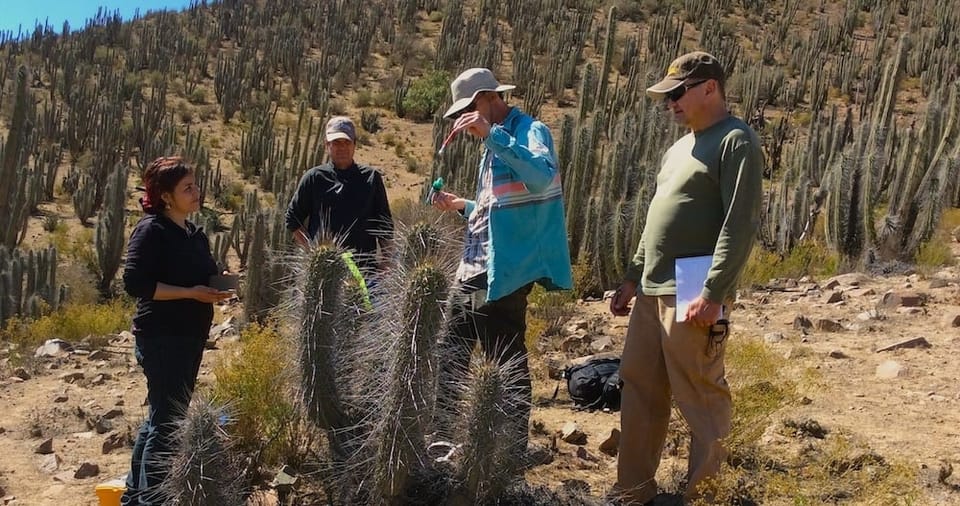
Earlier research published in 2022 in Nature Plants by members of the same research group showed that roughly 60 percent of cactus species would experience reduced climatic suitability based on shifting temperature and rainfall averages.4 Adding extreme drought to that baseline reveals that severe weather anomalies compress suitable habitats far more abruptly than gradual warming trends suggested. Brian Maitner, an assistant professor of integrative biology at the University of South Florida St. Petersburg and co-author of the study, noted that field specialists across North and South America confirmed that the severe decline patterns identified in the computational models matched observations already visible among wild populations.4
How can conservation specialists respond to rapid aridification?
Conservation managers are using these findings to direct intervention plans toward areas where climatic conditions are deteriorating most rapidly. Because desert ecosystems feature sparse water and high temperatures, damaged plant communities can require multiple decades to recover from ecological disturbance, and some degraded sites may fail to recover altogether.1 As natural habitats become inhospitable, botanical institutions are stepping in to collect seeds and establish cultivated assurance populations in botanical gardens.1 These cultivated reserves preserve genetic diversity outside the wild and create opportunities to reintroduce plants if conditions stabilize.
The findings also support calls to update international conservation priorities. Approximately 31 percent of cactus species were classified as threatened with extinction during the 2015 Global Cactus Assessment, but that evaluation focused heavily on land conversion and illegal collection.23 Incorporating severe drought impacts could qualify more species as Critically Endangered under the criteria maintained by the International Union for Conservation of Nature, potentially doubling the number of species assigned to that highest threat category.4 Researchers point out that the ecological vulnerabilities identified among cacti offer a baseline for evaluating other plant families that must endure escalating climate extremes.
The record
26 sentences trace to 6 sources.
-
1
W
 WIRED
Document
· wired.com · 15 Nov 2026
It’s Getting Too Dry for Even Cactuses to Survive
See the source
-
2
N
 nature.com
Paper
· nature.com
Elevated extinction risk of cacti under climate change - Nature Plants
Journal article
See the source
- 3 Even cacti face severe habitat loss as climate change intensifies droughts, study finds See the source
- 4 New research finds that even cacti are severely threatened in a warmer, drier world See the source
-
5
N
nature.com
Paper
· nature.com
Severe drought and warming increase the extinction risk of cacti - Nature
Journal article
See the source
-
6
N
nature.com
Paper
· nature.com
Cacti are severely threatened by drought in a warming world
Journal article
See the source