Sickle cell medication does not increase infection risks for African children
Long-term evidence from four sub-Saharan nations indicates that maximum doses of hydroxyurea protect young patients without raising their vulnerability to severe illness or malaria.
In wealthy countries, a once-a-day capsule has long served as the primary medical shield against the excruciating pain and organ damage caused by sickle cell anaemia.1 In sub-Saharan Africa, where the vast majority of patients live, clinicians have treated that same medication with caution for years.1 Medical providers feared that the drug, by dampening specific components of the immune system, could expose vulnerable children to deadly infectious illnesses in communities where parasites and bacteria are widespread.1
A decade-long study published in The Lancet Haematology has now established that this long-standing clinical concern is unfounded.1 Researchers who followed 606 children and young adults across four sub-Saharan African nations found that the medication, hydroxyurea, did not increase the incidence or severity of infections.1 The researchers documented that as patients gradually received higher doses of the daily drug, their clinical rates of illness, including malaria, actually decreased.1
The study, led by Tom Williams, a professor at Imperial College London's Institute of Global Health Innovation, evaluated more than 5,000 patient-years of medical follow-up data.1 Williams and his co-authors reported that there was "no increase of illness or death from infections" among participants taking the treatment, even when children reached the highest dose their bodies could safely tolerate.1 The evidence provides clear backing for public health advocates who argue that the drug should become a standard treatment for sickle cell anaemia in low-resource communities.
Why did doctors hesitate to prescribe hydroxyurea in Africa?
Doctors across sub-Saharan Africa hesitated to prescribe hydroxyurea because the medication reduces infection-fighting white blood cells in regions where infectious diseases such as malaria are widespread.1 Hydroxyurea lowers circulating levels of neutrophils, the primary white blood cells responsible for targeting bacterial and fungal invaders.1 In settings where medical clinics are located far from rural families and emergency care remains difficult to access, deliberately suppressing a child's white blood cell count appeared to many clinicians to be an unacceptably hazardous trade.1
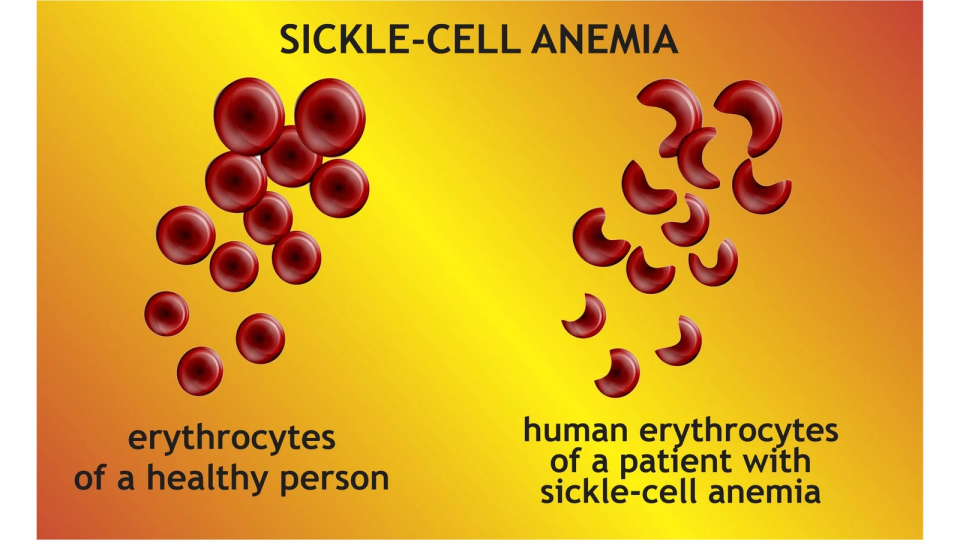
Sickle cell anaemia is the most common severe inherited blood disorder in humans.1 The disease affects red blood cells, which normally carry oxygen through flexible, round discs that slip easily through microscopic blood vessels. Inherited genetic mutations cause abnormal haemoglobin molecules to stick together inside those cells. When oxygen levels drop, the distorted haemoglobin forces the red blood cells into stiff, crescent shapes that resemble farm sickles.
These rigid cells quickly become stuck in small blood vessels, halting local circulation and starving tissues of essential oxygen.1 That vessel blockage triggers sudden, agonizing episodes of pain known as sickle cell crises.1 The blockage also damages vital organs over time, leading to strokes, kidney damage, and chronic organ deterioration. Children living with the condition experience persistent ill health and face an elevated vulnerability to bacterial and viral infections, which can turn fatal within hours.1
The disease carries an immense demographic toll across the African continent. Approximately 550,000 infants are born with sickle cell anaemia across the globe each year, and roughly 80 percent of those births occur in sub-Saharan Africa.1 Because infections represent one of the leading causes of early mortality for these infants, doctors working in low-income clinics worried that prescribing an immunosuppressive therapy might inadvertently make a lethal problem worse.
What happens in the body when patients take the medication?
Hydroxyurea stimulates the body to produce fetal haemoglobin, an oxygen-carrying protein normally made before birth that prevents red blood cells from warping into rigid crescents.1 In human infants, fetal haemoglobin dominates during gestation because it binds oxygen tightly from the maternal bloodstream. After birth, bone marrow switches production to adult haemoglobin, which carries the genetic defect in people born with sickle cell anaemia.
When a patient takes hydroxyurea, the compound signals blood-forming cells in the bone marrow to reactivate dormant genetic pathways and manufacture fetal haemoglobin alongside the defective adult version. Because fetal haemoglobin molecules do not bunch up into rigid polymers, their presence inside a red blood cell prevents the entire cell from distorting. Preserving a rounded, pliable shape allows red blood cells to travel smoothly through narrow capillaries without clogging microvascular networks.
By preventing cellular blockages, hydroxyurea reduces painful vaso-occlusive crises, curbs chronic organ destruction, and lessens the severe anaemia caused when deformed red blood cells rupture prematurely. However, because hydroxyurea belongs to a wider family of chemotherapeutic compounds that slow cellular division in the bone marrow, it naturally dampens the production of neutrophils. The theoretical hazard was that this chemical side effect would leave children exposed to severe malaria, pneumonia, and sepsis.1
How did infection rates respond to higher drug doses?
Clinical infection rates dropped significantly as doctors increased the daily dose of hydroxyurea toward each child's maximum tolerated level.1 The data emerged from REACH, a clinical trial funded by the National Institutes of Health that has operated in sub-Saharan Africa for more than ten years.1 Investigators enrolled children between the ages of one and 10 from 2014 to 2016 at dedicated research clinics in Angola, the Democratic Republic of the Congo, Kenya, and Uganda.1
Enrolled participants attended clinical evaluations every two to three months to monitor their health, test blood counts, and log any medical complications.1 In the trial protocol, each child began taking hydroxyurea at a standardized, fixed dose for six months.1 After that introductory phase, clinical teams carefully raised each patient's daily dose in controlled increments until reaching the maximum amount the child could tolerate without causing excessive bone marrow suppression.1

Earlier findings from the REACH trial had already established that hydroxyurea was safe and highly effective at preventing routine sickle cell complications in African settings.1 The extended investigation tracked what happened to infectious illnesses as doses reached their ceiling across 606 children.1 Rather than seeing infection rates climb alongside higher chemical exposure, researchers recorded substantial declines.
The risk of contracting malaria decreased by 51 percent among participants as their hydroxyurea dose increased.1 At the same time, the risk of developing non-malarial infections dropped by 38 percent.1 Russell Ware, a professor at Cincinnati Children's Hospital Medical Center and the study's senior author, noted that the data provide long-awaited evidence demonstrating that maximum tolerated doses of hydroxyurea remain safe over a decade of treatment.1 Ware stated that throughout ten years of therapy, infections did not multiply and instead became noticeably less frequent.1
What questions remain unanswered about the long-term data?
The trial findings cannot confirm infection diagnoses through contemporaneous laboratory testing because field clinics recorded most illness episodes retrospectively from routine medical histories.1 The research team captured illnesses that local medical staff diagnosed through clinical signs and symptoms during scheduled visits or hospital admissions, rather than through verified molecular or microbiological laboratory assays performed at the immediate moment of fever.
The study also functioned as an observational cohort drawn from an existing interventional trial where every enrolled child received the drug.1 Because there was no parallel comparison group of untreated children with sickle cell anaemia, the observed drop in illness represents an association with increasing medication dosage, not a direct clinical comparison against children taking a placebo.1 In addition, the participants naturally grew older over a decade of study, and childhood immune systems mature over time in ways that independently reduce vulnerability to common infections.1
Despite those diagnostic limits, the findings speak directly to the fundamental safety barrier that has restricted medical treatment. The central concern was whether escalating doses of hydroxyurea would cause infection rates to surge.1 They did not.1 Williams said the findings offer strong reassurance that neither extended use over ten years nor the highest tolerated dose increases the frequency or severity of infections.1
Funding for the study was provided by the National Heart, Lung, and Blood Institute alongside the Cincinnati Children's Research Foundation.1 The study authors concluded that healthcare systems in low-resource nations should move decisively to make hydroxyurea, delivered at the maximum tolerated dose, the standard of care for children living with sickle cell anaemia.1
The record
39 sentences trace to 1 source.
-
1
S
 scientificinquirer
Document
· scientificinquirer.com · 16 Nov 2026
Hydroxyurea Did Not Raise Infection Risk in African Children With Sickle Cell Anaemia, Decade-Long Study Finds
See the source