Heartbeats may explain why cancer rarely takes root in cardiac muscle
Continuous mechanical pumping physically alters the genetic controls of invading tumor cells, turning the body's hardest working organ into an inhospitable barrier against metastatic spread.

Cancer cells travel through the bloodstream like drifting seeds searching for fertile tissue, yet they almost never colonize the organ responsible for pumping them around the body. Primary heart tumors appear in fewer than 1 percent of autopsies, and secondary metastases from other tissues remain remarkably rare despite continuous exposure to circulating blood.12 The heart receives a rich, uninterrupted vascular supply that should logically present an accessible landing site for migrating cancer cells.12 For decades, oncologists recognized this stark discrepancy without possessing a definitive biological explanation for why cardiac muscle stays stubbornly inhospitable to malignancy.
Understanding why tumors fail to colonize the heart matters because metastatic spread causes the overwhelming majority of cancer fatalities. When malignant cells break away from a primary tumor, they seed secondary growths in organs such as the liver, lungs, brain, and bones, where they encounter favorable biochemical conditions. If the heart possesses an intrinsic mechanism that neutralizes arriving cancer cells, identifying that protective process could suggest new strategies to halt tumor expansion elsewhere. Replicating the physical conditions of cardiac tissue could open an entirely different therapeutic front based on mechanics rather than traditional pharmacology.
The protective chain begins with the physical environment created by cardiac muscle. To survive and multiply, a circulating cancer cell must first lodge in local tissue, anchor itself to surrounding structures, and enter a cycle of rapid cell division. That division requires the cell nucleus to unpack tightly wound strands of genetic material so that cellular machinery can copy growth genes. In a beating heart, muscle fibers stretch and compress without pause, subjecting every resident cell to intense mechanical forces. Those physical shocks travel through structural proteins into the cell interior, triggering molecular signals that force the genetic material to stay condensed and quiet.
Why does the heart resist tumor colonization?
Continuous mechanical motion creates a physical barrier that actively prevents malignant cells from multiplying inside cardiac muscle.12 A research study led by Giulio Ciucci and Serena Zacchigna at the International Centre for Genetic Engineering and Biotechnology in Trieste, Italy, reported that the physical forces generated by cardiac contractions suppress cancer growth by altering how tumor cells regulate their genes.12 Published in the journal Science, the findings demonstrated that the heart is not shielded merely by specialized metabolic traits or immune responses.12 Instead, the relentless mechanical strain of each heartbeat functions as an innate antitumor defence mechanism.21
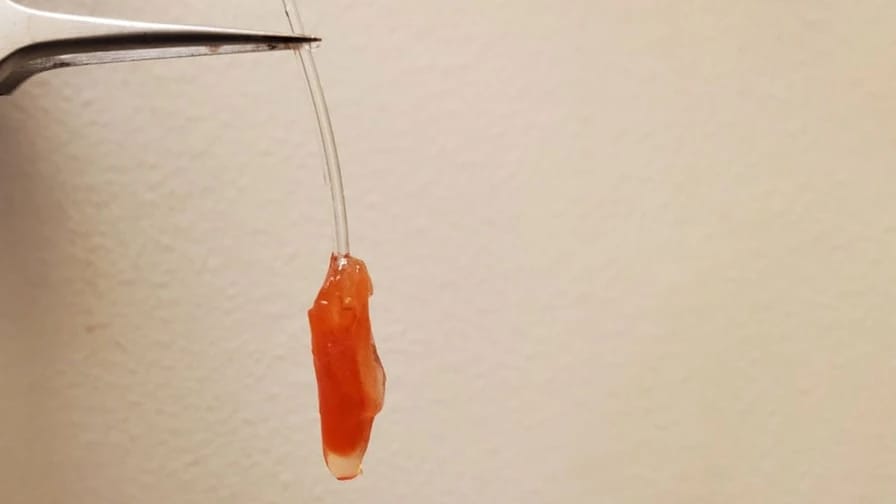
The investigation arose from a fundamental clue in developmental biology: shortly after birth, mammalian heart muscle cells permanently shut down most of their proliferative capacity.12 That transition coincides directly with a dramatic increase in the workload and mechanical pressure placed on the circulatory system.2 While this loss of regenerative ability makes repairing heart muscle after an infarction exceptionally difficult, it pointed Ciucci, Zacchigna, and their colleagues toward an intriguing possibility.1 They asked whether the very mechanical forces that lock adult heart cells out of the division cycle might exert the same restrictive brake on proliferating tumor cells.12
To test this hypothesis, the researchers evaluated how tumors behaved when mechanical forces were experimentally separated from normal cardiac anatomy. In genetically modified mice engineered to activate cancer mutations across multiple tissues including the liver, skeletal muscle, and heart, tumors formed in other organs while the heart remained entirely free of disease.1 The researchers then conducted a direct test by grafting an extra, donor heart into the neck of a recipient mouse.12 This transplanted heart remained viable and connected to the bloodstream, but it was spared the strenuous physical workload of pumping blood against vascular resistance.12
When the investigators injected cancer cells into both hearts, an unmistakable divergence appeared.1 In the unloaded transplanted hearts spared from pumping pressure, cancer cells expanded rapidly and established dense tumors.12 In the animals' own hearts, which continued to beat under full physiological load, the same cancer cells struggled to gain a foothold.12 The team observed an identical response in laboratory-engineered heart tissues: when the tissue was subjected to a normal mechanical load, tumor proliferation slowed markedly, but removing that mechanical load allowed lung adenocarcinoma, colon carcinoma, and melanoma cells to proliferate freely.12
How does physical force alter cancer cell behavior?
Physical tension reaches inside the cell through a specialized anchoring protein called Nesprin-2, which conveys mechanical strain directly to the nucleus.12 Nesprin-2 forms an essential part of the LINC complex, a molecular bridge that physically couples a cell's external structural scaffolding to its nuclear envelope.2 When cancer cells in the study endured the mechanical forces of a beating heart, Nesprin-2 became active and relayed that tension inward, reshaping how the cells handled their genetic instructions.12 DNA inside human cells is wound tightly around proteins like thread around spools, and physical force caused the cells to alter chemical marks that control which genes are unpacked and read.12

Analysis of rare human cardiac metastases confirmed this distinctive molecular signature.12 Tumor samples recovered from human hearts exhibited altered chromatin packaging, marked by increased levels of histone demethylases, reduced H3K9 trimethylation, and altered accessibility across genomic regions that govern cellular replication.2 When Ciucci and colleagues experimentally silenced Nesprin-2 in lung cancer cells, the mechanical protection broke down completely.12 Deprived of this molecular sensor, cancer cells implanted into actively pumping mouse hearts resumed unrestrained growth and produced large tumors, demonstrating that cells must actively sense and transmit physical force to be suppressed by cardiac contractions.12
"Our findings show that the heart’s pulsation is not merely a physiological function but may act as a natural suppressor of tumor growth," Zacchigna stated in a public release describing the investigation.1 "This suggests that the cardiac environment is unfavorable to cancer cells not only for immunological or metabolic reasons, but also because its continuous mechanical activity physically constrains their expansion."1 Independent specialists noted that the discovery establishes a direct bridge between physical forces and epigenetic gene control, illustrating that mechanical load alone can dictate cell fate in invading malignancies.12
What are the limits of the current findings?
The findings describe experimental observations in mice, lab-grown tissue constructs, and a small collection of human tissue samples, rather than a proven clinical treatment. While the molecular mechanism demonstrated consistent results across three distinct cancer types, human tumors grow within complex microenvironments shaped by diverse immune cells, variable vascular structures, and dense fibrous scar tissue that mouse models cannot fully replicate. The researchers measured epigenetic responses under controlled physical parameters, which cannot reveal how different stages of malignancy or diverse genetic mutations might alter a tumor's sensitivity to physical pressure. In addition, the experiments focused on primary resistance to colonization, leaving open whether established, advanced tumors would respond to mechanical strain in the same manner.
Could rhythmic motion inspire future cancer treatments?
Translating mechanical forces into clinical interventions represents a novel frontier that researchers are just beginning to explore. Zacchigna and her colleagues have begun collaborating with bioengineers to design wearable medical devices capable of delivering targeted rhythmic pressure to superficial malignancies, such as localized breast or skin cancers.1 Applying controlled mechanical stimulation directly to accessible tumor sites could theoretically mimic aspects of the cardiac environment and suppress tumor expansion. Early prototypes are currently undergoing preliminary evaluation to determine whether rhythmic compression can also increase the penetration and efficacy of standard chemotherapy or immunotherapy agents.1
Major therapeutic questions remain before mechanical stimulation could enter human oncology trials. Scientists must determine the exact frequency, amplitude, and duration of force necessary to trigger epigenetic suppression without damaging healthy neighboring tissues or accidentally encouraging cancer cells to dislodge and enter circulation. Different tumor varieties may also possess vastly different mechanosensitive thresholds, meaning a compressive regimen that restrains one cancer could prove ineffective against another. For now, the discovery reveals that the heart's unceasing rhythm provides more than circulation: the sheer physical exertion of every beat maintains a natural biological safeguard against disease.
The record
30 sentences trace to 2 sources.
-
1
TT
 Tudor Tarita
Document
· zmescience.com · 22 Nov 2026
Scientists May Have Found Why Cancer Almost Never Spreads to the Heart
See the source
- 2 Can the beating heart keep cancer at bay? See the source