Parental distress in rare genetic disease stems from mental habits alongside physical illness
A study of caregiver mental health suggests that distress tolerance and repetitive worry predict depression and anxiety independently of a child's medical impairment.

When a child receives a diagnosis of a rare genetic condition, the immediate assumption of clinicians and family members alike is that the child's medical fragility will dictate how much psychological suffering the parents experience. Medical common sense suggests a direct relationship where more severe physical disability, frequent medical emergencies, and intensive daily care routines produce correspondingly higher levels of parental depression, anxiety, and exhaustion. Yet across clinical genetics units, doctors often observe striking variations that defy this straightforward formula. Two families managing identical medical challenges and daily care demands can diverge entirely, with one household succumbing to persistent mental health crises while another navigates the same regimen with measurable psychological resilience.
This divergence carries profound consequences for healthcare systems and social services, because parental psychological collapse compromises the long-term care environment of medically complex children. If parental depression, anxiety, and chronic stress were driven entirely by the biological severity of a genetic syndrome, clinicians would have very few tools to relieve caregiver suffering, given that most rare genetic conditions remain lifelong and incurable. When support systems treat distress as a mere byproduct of physical illness, interventions remain restricted to physical respite care and symptom management. Discovering that internal cognitive processes independently govern how parents experience that caregiving burden reveals entirely new opportunities for therapeutic counseling and preventative mental health care.
The mental toll of caregiving unfolds through an orderly psychological chain of events. A parent first encounters a persistent external challenge, such as an ambiguous medical test result, a disruption to sleep, or a sudden change in their child's physical functioning. That external disruption immediately introduces uncertainty about what the coming days or years will bring. The parent must then interpret that uncertainty, decide whether unpredictable future threats require constant mental anticipation, and sit with the unpleasant physiological sensations of fear and fatigue. When an adult struggles to withstand negative emotional sensations and responds to ambiguity by generating continuous scenarios of future catastrophe, normal caregiving fatigue transforms into clinical depression and chronic anxiety.
A study published in the journal Frontiers in Psychiatry reveals that these internal psychological mechanisms predict parental depression, anxiety, and stress independently of how medically impaired the child actually is.1 The investigation reports that while physical illness severity correlates with emotional distress, two specific mental vulnerability factors, namely lower distress tolerance and a higher tendency to worry, account for substantial variations in parental mental health outcomes beyond the child's medical status.1 The paper demonstrates that how a parent interprets threat and endures emotional discomfort acts as a powerful, distinct engine of psychological distress in households managing rare genetic diseases.1
Why does medical severity fail to explain every caregiver crisis?
Medical severity fails to account for every caregiver crisis because external physical demands are always filtered through the cognitive vulnerabilities that individual adults bring to the caregiving role. A parent who encounters an ambiguous symptom may view the unknown as a routine challenge to be monitored, whereas another parent interprets that same ambiguity as an intolerable threat that demands urgent mental rumination. The researchers note that rare disorders collectively affect an estimated 6 to 10 percent of the general population across 6,000 to 8,000 distinct clinical conditions, defined individually as diseases affecting fewer than five in 10,000 people.1 Around 80 percent of these conditions stem from genetic origins, creating lifelong developmental, neurological, or physical impairments that frequently involve diagnostic delays, unpredictable trajectories, and scarce treatment options.1
Previous studies cited by the authors document that between 39 percent and 67 percent of parents of children with rare genetic conditions report clinically significant anxiety, alongside elevated rates of depression and diminished quality of life.1 Even so, the authors point out that objective measures of disability leave substantial variations in caregiver suffering unexplained.1 To evaluate the cognitive processes operating beneath these differences, the study examined three established transdiagnostic cognitive vulnerabilities: intolerance of uncertainty, distress tolerance, and the tendency to worry.1 Transdiagnostic concepts refer to psychological mechanisms that appear across multiple psychiatric diagnostic categories rather than belonging exclusively to a single condition such as major depression or generalized anxiety disorder.

Intolerance of uncertainty reflects an underlying disposition to perceive ambiguous situations as unacceptable and distressing, serving as a distant vulnerability factor that predisposes people to misinterpret neutral unknowns as dangerous.1 The tendency to worry operates as a more direct cognitive habit, consisting of repetitive, negative mental rehearsals directed at potential future catastrophes, colloquially recognized as unproductive what-if thinking.1 Distress tolerance represents a distinct behavioral capacity, defined as an individual's perceived ability to experience and endure negative emotional discomfort without becoming completely disorganized.1 The study hypothesized that these cognitive styles would independently predict parental distress after controlling for the child's actual health status.1
How did the researchers measure parental vulnerabilities and health status?
Researchers measured these relationships by assessing a sample of 278 parents recruited through clinical and community health facilities in Belgrade.1 Borjanka, an author of the study, confirmed this distribution when discussing the cohort, noting that "Of the 278 parents included in the study, 184 were parents of children with rare genetic disorders, while 94 comprised the control group."1 The investigation, conducted at the Department of Clinical Genetics within the University Children's Clinic in Belgrade and approved by the clinic's ethics committee, enrolled 184 parents of children with confirmed rare genetic disorders, structured as 92 mother-father pairs.1 For a comparison baseline, the researchers recruited 94 parents of healthy children, consisting of 14 mother-father pairs and 66 individual parents, who were attending routine pediatric wellness visits at two primary healthcare centers.1 Across both groups, parents completed standardized questionnaires administering paper-and-pencil assessments in quiet settings during clinical visits.1
The clinical conditions represented in the target group were medically diverse, with pediatric specialists classifying the children into four diagnostic categories to capture the breadth of rare genetic diseases: neurogenetic disorders, which accounted for 82 parents or 44.6 percent of the target sample; congenital malformations, representing 36 parents or 19.6 percent; inherited disorders affecting internal organs, comprising 20 parents or 10.9 percent; and other rare genetic disorders, making up 46 parents or 25 percent.1 The average age of children in the genetic disorder group was 5.85 years with a standard deviation of 4.76 years, while their parents had a mean age of 37.86 years with a standard deviation of 7.63 years.1 Within this clinical group, mothers averaged 35.92 years of age and fathers averaged 39.8 years.1 In the control group, children had an average age of 3.92 years with a standard deviation of 4.14 years, and parents had an average age of 34.54 years with a standard deviation of 6.76 years.1
To capture the biological burden in a standardized manner, the authors used the Royal Alexandra Hospital for Children Measure of Function, known as the RAHC MOF scale, which classifies pediatric health-related functioning into 10 ordered categories ranging from superior functioning down to constant medical supervision and high dependency.1 This measure integrates mobility, emotional and behavioral functioning, developmental milestones, social relationships, and the intensity of daily medical care required. The authors note that validation data for the instrument show parents select the same or an adjacent category as attending clinicians in 89.7 percent and 82.9 percent of cases across outpatient samples, confirming its consistency for research comparisons.1 In the current study, scores of four or higher indicated moderate-to-severe pediatric health impairment.1 Borjanka explained that this benchmark was chosen strictly as a practical division for analysis, saying that "The cutoff of ≥4 was used as an operational threshold for the subgroup analysis. It was not based on a separate clinical calibration or ROC-derived cutoff but was used to distinguish children with greater levels of health-related impairment on the RAHC MOF scale."
Which cognitive traits most strongly predict parental depression and anxiety?
Lower distress tolerance and an elevated tendency to worry independently predict symptoms of depression, anxiety, and stress among parents, outperforming both general demographic factors and intolerance of uncertainty in statistical models.1 The study found that parents of children with rare genetic conditions reported significantly higher levels of depression, anxiety, and stress than the parents of healthy children.1 Furthermore, mothers across the sample reported higher emotional distress than fathers, an outcome consistent with the observation that mothers frequently bear the primary practical caregiving duties, physical health strain, and career disruptions that accompany chronic pediatric illness.1
Greater health impairment in the child, as measured by higher scores on the functional scale, correlated with elevated parental psychological distress, confirming that objective illness severity remains an authentic source of stress.1 However, when the researchers entered the cognitive factors into multivariate models alongside child health severity, education, employment, and income covariates, lower distress tolerance and greater tendency to worry retained independent, statistically significant relationships with depression, anxiety, and stress.1 A parent who lacks the perceived capacity to tolerate negative emotional states and who engages in persistent catastrophic mental rehearsal experiences worse psychological symptoms regardless of whether their child has mild physical impairment or profound medical dependency.
Interestingly, while intolerance of uncertainty correlated with parental distress in preliminary evaluations, it did not emerge as a significant independent predictor alongside worry and distress tolerance in the final multivariate models. Borjanka explained that this statistical shift was consistent with underlying cognitive architecture, stating that "The loss of statistical significance of intolerance of uncertainty in the full model was not unexpected, given the substantial conceptual and empirical overlap between intolerance of uncertainty, worry, and distress tolerance. Previous research has suggested that intolerance of uncertainty often contributes to psychological distress indirectly through maladaptive cognitive and emotional processes, including excessive worry and difficulties tolerating distress. Therefore, although we expected intolerance of uncertainty to show a significant association at the bivariate level, we anticipated that its unique contribution might be reduced when more proximal processes such as worry and distress tolerance were entered simultaneously into the model."
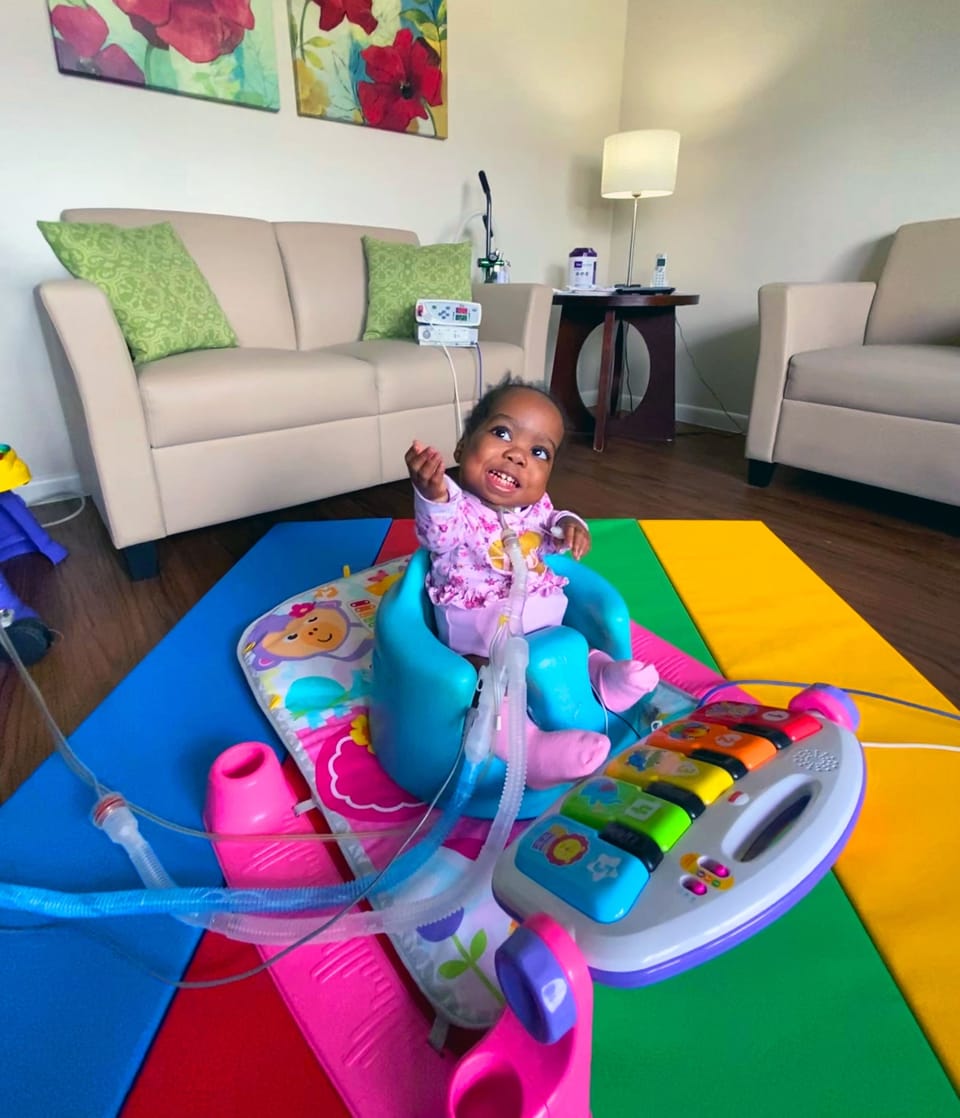
The authors suggest this aligns with hierarchical cognitive models where intolerance of uncertainty serves as a distal disposition that drives distress primarily by fueling active, repetitive worry.1 Borjanka unpacked this dynamic mechanism, telling Primary that "Intolerance of uncertainty may represent the initial vulnerability, because parents who find uncertainty especially difficult are more likely to perceive unknown future outcomes as threatening. Worry then becomes a cognitive process through which they try to anticipate and manage these uncertainties. However, repetitive “what-if” thinking can maintain attention on possible threats and increase distress rather than providing real solutions. Therefore, ambiguity itself may not be sufficient to produce distress; it is the ongoing cognitive processing of that ambiguity through worry that may amplify emotional burden." In daily life, the abstract inability to accept the unknown matters most when it translates into cyclical, ruminative thinking about medical complications, developmental regression, or future institutional care.
What are the limits of the current findings?
The findings cannot establish whether low distress tolerance and chronic worry directly cause parental depression, because the investigation relied on a cross-sectional correlational design where all variables were measured at a single point in time.1 It remains entirely plausible that prolonged, untreated clinical depression degrades an adult's ability to tolerate distress and magnifies their tendency to worry, creating a reciprocal cycle rather than a one-way causal pathway. The data capture an association between psychological constructs within a clinical snapshot rather than tracking the evolution of parental mental health over months or years of caregiving.
Addressing what evidence would be required to clarify whether child impairment directly drives these vulnerabilities over time, Borjanka noted that tracking families across clinical milestones would be essential. Borjanka stated that "A longitudinal study showing that changes in the child’s health status consistently precede increases in parents’ cognitive vulnerabilities would provide stronger evidence that illness-related impairment contributes to the development of these cognitive patterns. For example, if worsening child functioning was followed by increases in worry, intolerance of uncertainty, or reduced distress tolerance over time, this would suggest a stronger causal pathway."
The study also relied exclusively on paper-and-pencil self-report questionnaires administered to parents during hospital visits, which introduces the possibility of subjective reporting bias or acute situational stress influencing responses. Although the sample size of 184 clinical parents provided sufficient statistical power to test the primary hypotheses, all clinical participants were recruited consecutively from a single hospital department at the University Children's Clinic in Belgrade, meaning cultural, regional, and economic dynamics specific to Serbia may influence the exact figures. The study gathered detailed income and employment variables, noting for instance that 70.7 percent of the clinical parents worked full-time and 47.3 percent earned between 426 and 853 euros monthly, but these socioeconomic parameters reflect a specific healthcare environment that may differ from nations with alternative social safety nets.
How could clinical genetic programs use these insights?
Clinical genetics services could use these insights by expanding caregiver support beyond genetic counseling and pediatric medical management to include evidence-based psychological interventions that target modifiable cognitive habits.1 Because genetic disorders themselves are rarely curable, traditional clinical efforts have focused narrowly on helping parents understand diagnostic inheritance, coordinating specialist appointments, and managing physical symptoms. Showing that distress tolerance and repetitive worry independently dictate mental health outcomes demonstrates that caregiver suffering is not an unalterable consequence of a child's medical condition.
However, cognitive therapy cannot serve as an excuse to neglect practical caregiving needs. Borjanka cautioned that addressing mental habits has distinct boundaries, telling Primary that "Cognitive interventions should be viewed as one component of support rather than a replacement for structural and medical assistance. They are unlikely to be sufficient for caregivers facing very high levels of caregiving demands, severe child functional impairment, complex medical needs, or limited access to social support and respite care. In these situations, reducing external burden through practical and healthcare resources is essential, alongside addressing modifiable cognitive and emotional processes."
Cognitive-behavioral therapies and acceptance-based counseling models already possess validated protocols designed specifically to enhance distress tolerance and reduce repetitive negative thinking. Parents can be taught systematic strategies to disengage from unproductive what-if scenarios regarding future illness trajectories, replacing catastrophic forecasting with practical problem-solving. Similarly, distress tolerance training helps caregivers learn to experience uncomfortable emotional states without escalating into panic or emotional exhaustion. Introducing these targeted psychological therapies into pediatric genetics departments could protect caregiver mental health, ease the disproportionate burden documented in mothers, and build sustainable domestic care environments for children living with complex genetic conditions.
The record
46 sentences trace to 1 source and 1 contributor.
-
1
F
 Frontiers
Document
· frontiersin.org · 29 Sep 2026
Beyond illness severity: transdiagnostic cognitive vulnerabilities as independent predictors of psychological distress in parents of children with rare genetic disorders
See the source
- 2 Contribution — Borjanka Batinic 12 statements added to this article
Other consulted pages1 page
Article history
-
Published 24 Nov 2026, 15:33Assembled by the Primary desk from 1 source · 1 contributor · 46 cited sentences
-
Borjanka Batinic
- Go to the sentence: Researchers measured these relationships by assessing a sample of 278 parents recruited through clinical and community health facilities in Belgrade.
- Go to the sentence: Borjanka, an author of the study, confirmed this distribution when discussing the cohort, noting that "Of the 278 parents included in the study, 184 were parents of children with rare genetic disorders, while 94 comprised the control group."
- Go to the sentence: In the current study, scores of four or higher indicated moderate-to-severe pediatric health impairment.
- Go to the sentence: Borjanka explained that this benchmark was chosen strictly as a practical division for analysis, saying that "The cutoff of ≥4 was used as an operational threshold for the subgroup analysis. It was not based on a separate clinical calibration or ROC-derived cutoff but was used to distinguish children with greater levels of health-related impairment on the RAHC MOF scale."
- Go to the sentence: Lower distress tolerance and an elevated tendency to worry independently predict symptoms of depression, anxiety, and stress among parents, outperforming both general demographic factors and intolerance of uncertainty in statistical models.
- Go to the sentence: However, when the researchers entered the cognitive factors into multivariate models alongside child health severity, education, employment, and income covariates, lower distress tolerance and greater tendency to worry retained independent, statistically significant relationships with depression, anxiety, and stress.
- Go to the sentence: Borjanka explained that this statistical shift was consistent with underlying cognitive architecture, stating that "The loss of statistical significance of intolerance of uncertainty in the full model was not unexpected, given the substantial conceptual and empirical overlap between intolerance of uncertainty, worry, and distress tolerance. Previous research has suggested that intolerance of uncertainty often contributes to psychological distress indirectly through maladaptive cognitive and emotional processes, including excessive worry and difficulties tolerating distress. Therefore, although we expected intolerance of uncertainty to show a significant association at the bivariate level, we anticipated that its unique contribution might be reduced when more proximal processes such as worry and distress tolerance were entered simultaneously into the model."
- Go to the sentence: The authors suggest this aligns with hierarchical cognitive models where intolerance of uncertainty serves as a distal disposition that drives distress primarily by fueling active, repetitive worry.
- Go to the sentence: Borjanka unpacked this dynamic mechanism, telling Primary that "Intolerance of uncertainty may represent the initial vulnerability, because parents who find uncertainty especially difficult are more likely to perceive unknown future outcomes as threatening. Worry then becomes a cognitive process through which they try to anticipate and manage these uncertainties. However, repetitive “what-if” thinking can maintain attention on possible threats and increase distress rather than providing real solutions. Therefore, ambiguity itself may not be sufficient to produce distress; it is the ongoing cognitive processing of that ambiguity through worry that may amplify emotional burden."
- Go to the sentence: Borjanka stated that "A longitudinal study showing that changes in the child’s health status consistently precede increases in parents’ cognitive vulnerabilities would provide stronger evidence that illness-related impairment contributes to the development of these cognitive patterns. For example, if worsening child functioning was followed by increases in worry, intolerance of uncertainty, or reduced distress tolerance over time, this would suggest a stronger causal pathway."
- Go to the sentence: Clinical genetics services could use these insights by expanding caregiver support beyond genetic counseling and pediatric medical management to include evidence-based psychological interventions that target modifiable cognitive habits.
- Go to the sentence: Borjanka cautioned that addressing mental habits has distinct boundaries, telling Primary that "Cognitive interventions should be viewed as one component of support rather than a replacement for structural and medical assistance. They are unlikely to be sufficient for caregivers facing very high levels of caregiving demands, severe child functional impairment, complex medical needs, or limited access to social support and respite care. In these situations, reducing external burden through practical and healthcare resources is essential, alongside addressing modifiable cognitive and emotional processes."