Smartphone coaching cuts gestational diabetes without altering maternal weight
A clinical trial across four countries shows personalized digital guidance improves maternal metabolic health during pregnancy without requiring weight loss.
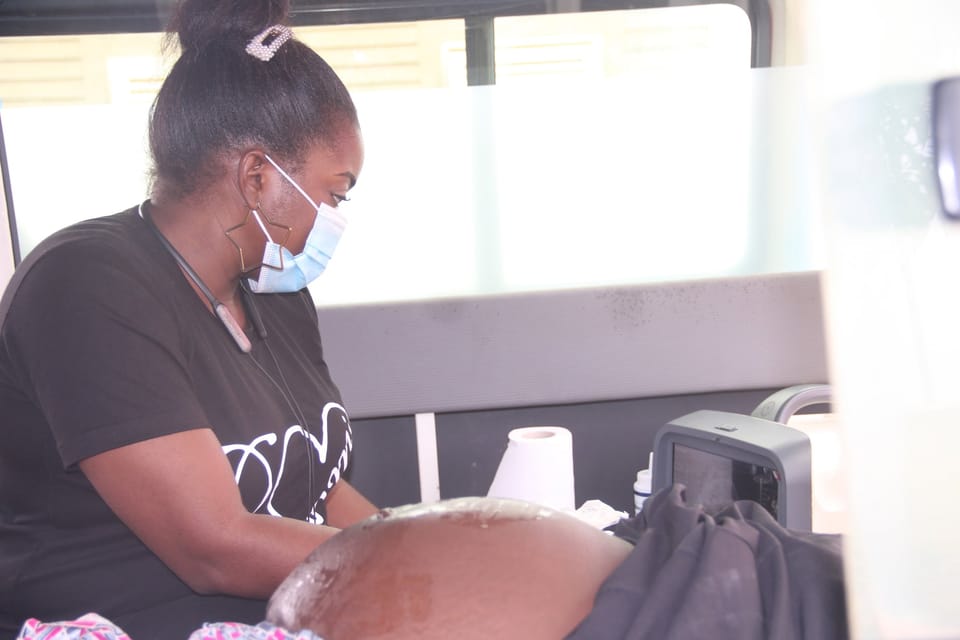
During pregnancy, the human placenta produces hormones that naturally reduce how effectively tissues respond to insulin, ensuring that glucose remains available in the bloodstream to nourish a developing fetus. In most pregnancies, the maternal pancreas compensates by producing higher volumes of insulin to clear excess sugars into cells. When pancreatic capacity cannot match that pregnancy-induced resistance, blood sugar levels rise above healthy thresholds, resulting in gestational diabetes. Because maternal obesity increases background insulin resistance before conception, conventional clinical guidance has long treated weight management as the essential requirement for preventing gestational diabetes.
That assumption complicates preventive care for expectant mothers. Sustained weight reduction is difficult to achieve safely during pregnancy, when maternal tissues and fetal development demand adequate caloric intake, and routine hospital visits rarely afford clinicians enough time to offer continuous nutritional and lifestyle guidance. Gestational diabetes increases the likelihood of birth complications, such as excessive fetal growth and surgical delivery, while marking a substantial rise in a mother's lifetime risk of developing type 2 diabetes.12 Finding accessible ways to protect maternal metabolic regulation without imposing restrictive weight targets represents a central challenge in modern obstetrics.
How can metabolic health improve when body mass index remains unchanged?
Blood sugar regulation depends on cellular sensitivity to insulin and the direct uptake of glucose by skeletal muscle during physical activity, biological mechanisms that can improve through behavioural adjustments without altering total body weight. When an individual consumes complex carbohydrates and dietary fiber rather than refined starches, the digestive tract absorbs glucose more gradually, dampening sharp post-meal blood sugar spikes that overtax pancreatic beta cells. In parallel, physical movement prompts muscle tissues to absorb glucose directly from the bloodstream through insulin-independent transport channels. Through these combined cellular pathways, improvements in nutritional quality, sleep, and physical activity enhance glucose tolerance even when fat mass and scale weight stay steady.
A randomised controlled trial published in The Lancet Digital Health demonstrated that this metabolic divergence occurs in clinical practice.21 The international study, known as the Bump2Baby and Me trial, evaluated whether continuous lifestyle guidance delivered through mobile phones could protect pregnant women identified as having an elevated risk of gestational diabetes.12 Women who received personalised digital coaching experienced a clinically important reduction in the incidence of gestational diabetes compared with participants who received standard maternity care, even though average maternal body mass index at 12 months after giving birth showed no difference between the two groups.13
Sharleen L O'Reilly, a professor at the University College Dublin School of Agriculture and Food Science and the project lead and principal investigator of the trial, explained that metabolic improvements do not require weight loss.12 "The Bump2Baby and Me trial showed that continuous, high-quality engagement with mHealth coaching can improve metabolic outcomes and reduce gestational diabetes incidence, independently of weight change," O'Reilly said.13

What did the four-country trial measure in at-risk mothers?
The Bump2Baby and Me trial enrolled 865 pregnant women across four distinct national healthcare systems in Ireland, the United Kingdom, Spain, and Australia to evaluate whether remote coaching could improve maternal outcomes.21 Between February 9, 2021, and October 22, 2023, investigators screened 4,386 females and excluded 3,521 individuals.2 The researchers enrolled pregnant females aged 18 years and older between 12 and 24 weeks of gestation who scored three or higher on the Monash GDM risk tool, a clinical screening instrument that tallies risk points based on maternal age, body mass index, ethnicity, family history of diabetes, and previous personal history of gestational diabetes.2 Participants had a mean age of 35.2 years with a standard deviation of 4.3 years, and 588 of 804 participants with recorded ethnicity data, or 73 percent, were White.2
The investigators randomly assigned 437 participants to the digital health intervention group and 428 participants to the control group using computer-generated block randomisation stratified by clinical site.2 Both study groups continued to receive standard maternity care, including regular gestational diabetes screening and clinical management, and every participant in both arms received Bluetooth-enabled digital weighing scales.21 Women assigned to the intervention arm received additional personalised health coaching through a dedicated smartphone application.12 The digital platform provided both live sessions and text or video communications with trained healthcare professionals who offered tailored guidance on nutrition, physical activity, and emotional well-being from early pregnancy through 12 months postpartum.13
The primary outcome specified by the researchers was the between-group mean difference in body mass index at 12 months postpartum.2 On that primary metric, the mobile intervention did not produce a divergence between groups. Mean body mass index change was minus 0.04 kilograms per square meter with a standard error of 0.12 in the intervention group, compared with a change of 0.04 kilograms per square meter with a standard error of 0.13 in the control group.2 Regular self-weighing on the provided Bluetooth scales, however, was independently associated with a significant reduction in body mass index across participants who chose to use them frequently.13 The intervention proved safe in clinical monitoring, with adverse events documented in 18 percent of participants, or 79 of 437 women, in the intervention group compared with 25 percent, or 106 of 428 women, in the control group.2 Serious adverse events occurred in 6 percent of participants, representing 28 of 437 women, in the intervention group and 9 percent of participants, representing 40 of 428 women, in the control group, with no adverse or serious adverse events considered related to the coaching program.21
What can the trial results tell clinicians about routine maternity care?
The trial demonstrates that mobile health platforms can deliver preventative lifestyle guidance outside hospital settings, yet the published summaries leave specific numerical questions about gestational diabetes rates unresolved. The trial is a multicentre randomised clinical evaluation, representing a high tier of experimental evidence, but the summary documents do not report the exact absolute incidence percentages of gestational diabetes in each study group or the statistical confidence intervals surrounding the reduction.1 The available records also do not report detailed adherence metrics showing how frequently individual participants interacted with their designated health coaches.1 Because self-weighing on the Bluetooth scales was a voluntary participant choice rather than an assigned experimental condition, the association between regular weighing and weight reduction remains correlational.
Despite those measurement gaps, the trial highlights an opportunity to extend preventive maternal care across the postpartum transition, a vulnerable window when new mothers frequently drop out of routine health monitoring. Because gestational diabetes flags elevated lifetime vulnerability to metabolic disease, continuous postpartum support offers a mechanism to intercept chronic illness before it develops. O'Reilly noted that remote systems can help relieve overburdened clinical services by bridging this gap. "By utilising mHealth technology, we can deliver support in real-time directly to women when and where they need it most," O'Reilly said.13 "Our research provides a robust, scalable framework to alleviate pressure on routine maternity services while extending preventive care beyond the hospital walls into the vital first year postpartum."13
To examine how these digital protocols can operate within standard clinical workflows, the investigators have established a successor project named Bump2Baby and Me Plus.13 Supported by 2 million euros in partnership funding under the European Union Horizon Europe program, the follow-up initiative focuses on implementation science across diverse clinical environments.1 By identifying practical methods to embed remote coaching into standard public health frameworks, the research team aims to determine whether digital lifestyle coaching can consistently prevent metabolic complications across broad obstetrical populations.
The record
25 sentences trace to 3 sources.
-
1
S
 scientificinquirer
Document
· scientificinquirer.com · 24 Nov 2026
Smartphone Coaching Cut Gestational Diabetes Without Changing Weight
See the source
- 2 Personalised mobile health coaching from early pregnancy to 12-months postpartum for females at risk of gestational diabetes (Bump2Baby and Me): a multicentre, randomised controlled trial See the source
- 3 Personalized mobile health coaching significantly reduces diabetes risk in pregnant women and new mothers See the source